


US and India Reach Historic Trade Agreement: Trump Announces Major Tariff Reductions
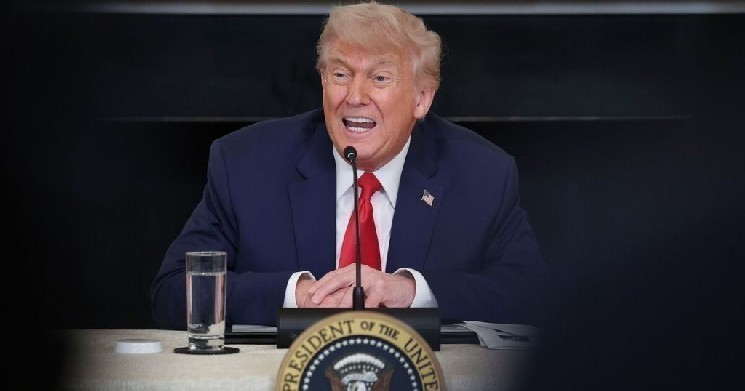
In a significant development that could reshape the economic relationship between two of the world’s largest democracies, US President Donald J. Trump announced today that the United States and India have successfully negotiated a comprehensive new trade agreement. The announcement, made through Trump’s preferred social media platform Truth Social, detailed substantial changes to the tariff structure between the nations and outlined India’s commitment to shift its energy purchasing patterns away from Russia. This breakthrough comes at a critical time when both nations have been navigating through complex trade tensions, with the Washington administration having previously imposed tariffs as high as 50% on certain Indian goods. The agreement represents a dramatic shift in US-India economic relations and carries implications that extend far beyond simple trade figures, touching on geopolitical alliances, energy markets, and the ongoing conflict in Ukraine.
A Conversation Between Friends: The Personal Diplomacy Behind the Deal
President Trump characterized his morning phone conversation with Indian Prime Minister Narendra Modi as warm and productive, emphasizing the personal rapport between the two leaders. Trump didn’t hold back in his praise for Modi, describing him as “one of his greatest friends” and calling him “a strong, respected leader” on the world stage. This personal chemistry between the two leaders appears to have played a crucial role in breaking through the impasse that had characterized recent trade relations. Trump concluded his remarks about the relationship by stating confidently, “Modi and I are two people who get results,” suggesting that the personal trust between them facilitated negotiations that might have otherwise stalled in bureaucratic channels. The emphasis on personal relationships in international diplomacy isn’t new to Trump’s approach to foreign policy, but in this case, it seems to have yielded tangible economic benefits for both nations. The conversation between Trump and Modi reportedly covered a wide range of topics beyond just trade numbers, including pressing geopolitical concerns such as the ongoing Russia-Ukraine war, demonstrating that this agreement exists within a broader framework of strategic cooperation between Washington and New Delhi.
The Numbers: What the Trade Deal Actually Means
At the heart of this agreement lies a significant restructuring of tariff arrangements between the two nations. According to President Trump’s announcement, the reciprocal tariffs that the United States imposes on Indian goods will be reduced from 25% to 18%—a seven percentage point reduction that could translate to substantial savings for Indian exporters and American consumers alike. In exchange for this American concession, India has reportedly agreed to reduce its own tariffs and eliminate non-tariff barriers against US products down to zero, representing an even more dramatic shift in India’s trade policy. Perhaps the most eye-catching figure in the announcement is Trump’s claim that India will purchase more than $500 billion worth of American-made products as part of this agreement. If realized, this would represent one of the largest bilateral trade commitments in recent history and could provide a substantial boost to American manufacturing and employment. These numbers, while impressive on paper, will need to be implemented and verified over time, but they signal a clear intention from both sides to deepen economic ties and create a more balanced trading relationship that addresses American concerns about trade deficits while opening the massive Indian market to US exporters.
Energy Politics and the Ukraine Connection
One of the most geopolitically significant aspects of this trade agreement extends beyond traditional commercial concerns into the realm of energy politics and international conflict. According to Trump’s announcement, Prime Minister Modi has agreed to stop purchasing Russian oil—a commitment that carries substantial implications for Russia’s war economy. India has been one of the major purchasers of discounted Russian oil since Western sanctions were imposed following the invasion of Ukraine, providing Moscow with crucial revenue despite international efforts to isolate the Russian economy. In place of Russian energy, Trump stated that India would increase its purchases of energy products from the United States and potentially from Venezuela, marking a significant realignment in India’s energy supply chains. President Trump characterized this shift as a move that would “help end the war in Ukraine” by depriving Russia of one of its major sources of income. This energy component of the deal demonstrates how modern trade agreements increasingly intertwine economic policy with broader geopolitical objectives. For the United States, securing this commitment from India represents both an economic opportunity for American energy producers and a strategic victory in efforts to pressure Russia. For India, the transition may come with higher energy costs in the short term but could yield political benefits in its relationship with Washington and potentially more stable long-term energy partnerships.
Context: From Trade Tensions to Trade Partnership
This breakthrough agreement comes after a period of escalating trade tensions between the United States and India that had threatened to damage what has otherwise been a strengthening strategic partnership. The Washington administration had previously increased tariffs on goods imported from India to as much as 50%, creating significant friction in bilateral relations and raising concerns among businesses in both countries. These punitive tariffs were part of Trump’s broader trade policy approach, which has emphasized reciprocity and challenged what the administration views as unfair trading practices. Trade negotiations between the two nations have historically faced various obstacles, including differences in regulatory standards, intellectual property protections, and market access concerns. However, recent diplomatic efforts between the leaders appear to have gained momentum, possibly influenced by India’s recent completion of a comprehensive free trade agreement with the European Union. That EU-India agreement may have created pressure on both Washington and New Delhi to avoid being left behind as global trade arrangements continue to evolve and reshape. The timing of this US-India deal suggests that both nations recognized the mutual benefits of deepening economic ties rather than allowing trade disputes to fester and potentially damage the broader strategic relationship that has developed between the world’s oldest and largest democracies.
Looking Ahead: Implementation Challenges and Future Implications
While the announcement of this trade agreement represents a significant diplomatic achievement, the real test will come in the implementation phase. Trade agreements of this magnitude involve complex regulatory changes, verification mechanisms, and coordination between multiple government agencies in both nations. The commitment by India to eliminate tariffs and non-tariff barriers to zero is particularly ambitious and will require substantial reforms to Indian trade policy and regulatory frameworks. Similarly, India’s pledge to purchase more than $500 billion in US products will need to be translated into specific contracts and business deals across multiple sectors. The energy commitment—India’s agreement to stop buying Russian oil and shift to American and possibly Venezuelan sources—will require significant logistical restructuring and may face resistance from Indian businesses that have benefited from discounted Russian energy. There are also questions about how this bilateral agreement will interact with India’s other trade commitments, including its new deal with the European Union and its participation in regional Asian economic frameworks. For American exporters, the opening of the Indian market represents tremendous opportunity, but success will depend on their ability to meet India’s needs in terms of price, quality, and delivery. As with any major policy announcement, particularly in the realm of international trade, there will be skeptics who question whether the promised benefits will materialize as described. Nevertheless, this agreement signals a clear intention by both the United States and India to strengthen their economic partnership in ways that could reshape trade flows across Asia and beyond, while simultaneously addressing geopolitical concerns related to energy security and the containment of Russian aggression. The coming months will reveal whether this announcement translates into the transformative economic relationship that both leaders have promised.