
South West Water Admits Guilt Over Devastating Parasitic Outbreak in Devon
Company Faces Justice After Thousands Affected by Contaminated Water Supply
In a significant moment of corporate accountability, South West Water Ltd has formally admitted to supplying water that was dangerously unfit for human consumption, following a devastating parasitic outbreak that swept through the coastal town of Brixham in Devon during May 2024. The company entered its guilty plea at Exeter Magistrates’ Court, acknowledging it had violated Section 70(1) of the Water Industry Act 1991. This admission comes after an outbreak of cryptosporidium—a microscopic parasite that causes severe gastrointestinal illness including violent sickness and diarrhea—contaminated the local water supply, affecting thousands of residents and businesses. The scale of this public health crisis was substantial, with several people requiring hospital treatment and hundreds more falling ill in their homes. The case, brought forward by the Drinking Water Inspectorate (DWI), represents one of the most serious failures in modern water supply management in the UK, and the company now faces sentencing on June 2nd, which could result in a substantial fine reflecting the gravity of their negligence.
The Human Impact: Eight Weeks of Disruption and Illness
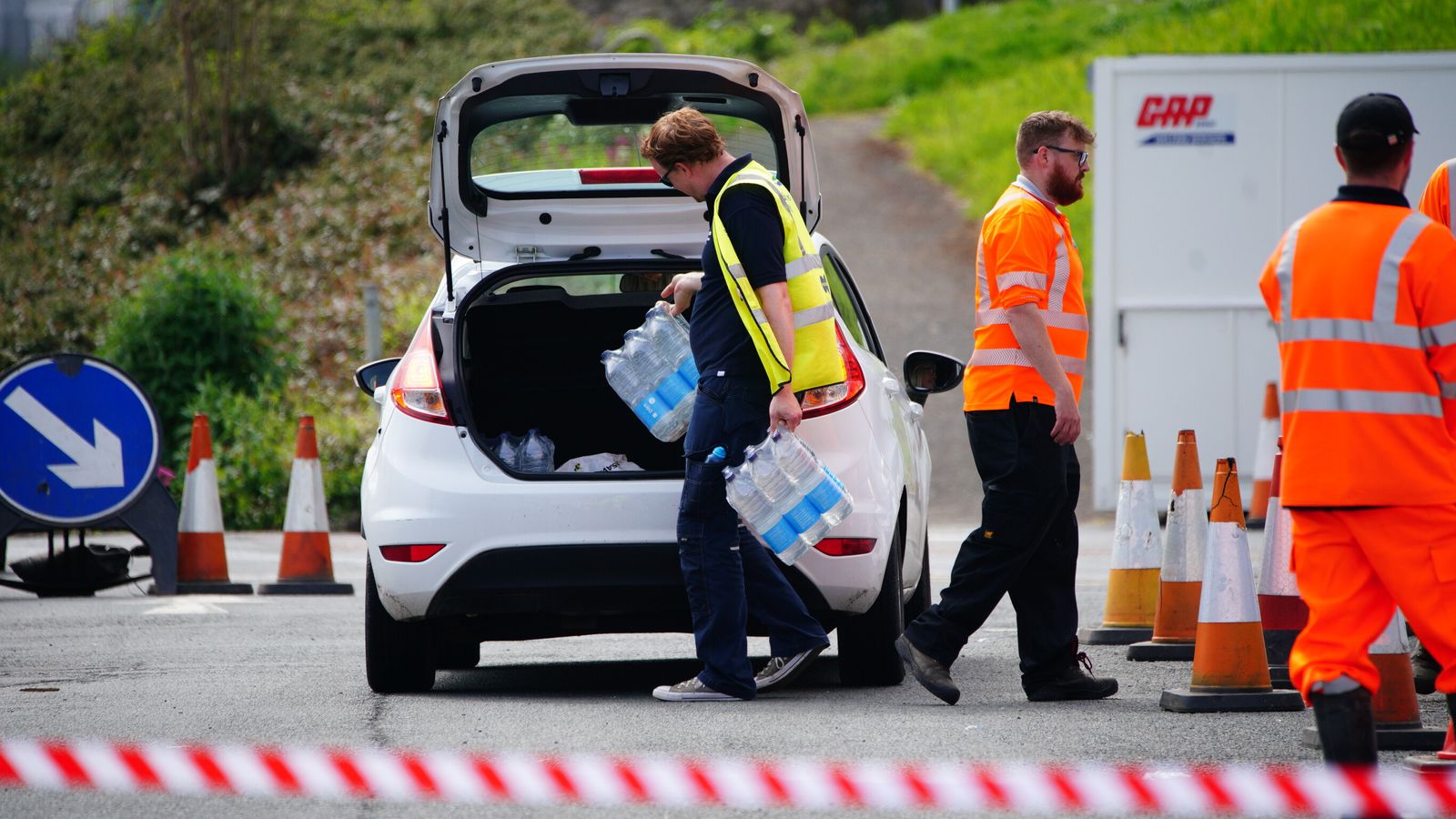
The real story behind the legal proceedings lies in the profound disruption experienced by approximately 17,000 households and businesses across Brixham and surrounding areas. When the contamination was discovered, authorities immediately issued a “boil water” notice, instructing residents not to use their tap water for drinking purposes without first boiling it thoroughly and allowing it to cool. For many families, this simple instruction transformed daily life into an exhausting routine of boiling kettles, waiting for water to cool, and storing it safely—all while worrying about whether they had accidentally exposed themselves or their children to the dangerous parasite. The notice wasn’t a brief inconvenience that lasted a few days; for some households, these restrictions remained firmly in place for a staggering eight weeks, fundamentally disrupting normal family life, business operations, and community activities. Water bottles were distributed to residents, creating scenes reminiscent of disaster zones as people queued for basic drinking water in what is supposed to be a developed nation with world-class infrastructure. The physical symptoms experienced by those who contracted cryptosporidiosis were severe and, according to complaints submitted as part of the legal proceedings, the effects were “long felt after the lifting of the boil water notices,” suggesting that many residents continued to suffer from health complications long after the immediate crisis had passed.
Legal Proceedings and Corporate Response
The courtroom drama at Exeter Magistrates’ Court revealed the tensions between holding corporations accountable and the practical realities of the justice system. Howard Leithead, representing the Drinking Water Inspectorate, argued that the case should be sent to crown court for sentencing, emphasizing that it was “high-profile or exceptionally sensitive” given the widespread impact on the community and the lasting effects reported by victims. The prosecution’s position reflected the seriousness with which public health authorities view this breach of trust between a utility company and the communities it serves. However, Dominic Kay KC, representing South West Water, countered that the company had demonstrated responsibility by pleading guilty at the earliest opportunity and had submitted a basis of plea, suggesting that the case could appropriately be handled by a district judge in magistrates’ court rather than requiring the more formal crown court setting. District Judge Stuart Smith ultimately sided with the defense on this procedural matter, rejecting the prosecution’s submission and deciding to retain jurisdiction in the magistrates’ court. This decision means the sentencing will proceed at the lower court level, though the fine could still be substantial given the severity of the offense and its impact on thousands of people.
The Financial Fallout and Corporate Accountability
Beyond the legal penalties, South West Water’s parent company Pennon has revealed that the financial consequences of this outbreak have been enormous, with the final bill reaching nearly £40 million. This figure encompasses approximately £36 million in costs directly related to the supply contamination incident itself, as well as expenses associated with the company’s subsequent “reshaping and transformation programmes”—corporate speak for the extensive changes needed to prevent such disasters from happening again. While this substantial financial hit demonstrates that there are real consequences for corporate negligence, critics argue that such costs are merely factored into business operations by large utility companies, ultimately being passed on to consumers through higher water bills rather than genuinely impacting shareholders or executive compensation. The incident has reignited debates about the privatized water industry model in England and Wales, where essential public services are operated by private companies with shareholders expecting returns on their investments. Caroline Voaden, the Liberal Democrat MP for South Devon, captured this frustration perfectly when she stated after the hearing: “This admission of guilt has been a long time coming. I am glad that SWW have owned up to their serious failures. This awful event should never have happened.” She went on to highlight what she described as “the mismatch between rhetoric and action” that “plagues our broken water industry,” noting that “too many water firms say one thing, then do another” when it comes to protecting customers and the environment.
Regulatory Response and Systemic Concerns
Marcus Rink, the chief inspector of the Drinking Water Inspectorate, provided the regulatory perspective on the case, acknowledging that “the company’s decision to plead guilty to the offences relating to the Brixham incident reflects the seriousness of the failings identified during our investigation.” While he was careful to note that “such incidents are very rare,” he couldn’t escape the reality that “this incident had a significant impact on the public and the wider community.” His statement attempts to balance maintaining public confidence in water supplies generally while acknowledging the catastrophic failure in this specific instance. The DWI’s prosecution of South West Water sends an important message to the industry that serious breaches of public health safety will face legal consequences, though questions remain about whether current regulatory frameworks are sufficient to prevent such incidents before they occur rather than simply punishing companies afterward. Water minister Emma Hardy added the government’s voice to the chorus of condemnation, stating unequivocally that “contamination of drinking water is rare but it is utterly unacceptable,” and acknowledging that “the communities affected by this abhorrent incident in Brixham deserve answers.” Her description of today’s guilty plea as “a crucial step toward accountability” suggests that further action may be forthcoming, potentially including regulatory reforms or changes to the way water companies are overseen and penalized for failures.
Looking Forward: Trust, Reform, and Community Recovery
As Brixham looks toward recovery and South West Water faces sentencing in June, the broader questions raised by this incident remain unresolved. Residents have made clear that their trust in the drinking water supply has been fundamentally shaken—a psychological impact that no fine can immediately repair. The practical challenges of rebuilding that trust are immense; every time someone turns on a tap, they’re reminded of the weeks when that simple action could have made them seriously ill. For families with young children, elderly relatives, or those with compromised immune systems, the anxiety is particularly acute. The incident has also sparked renewed calls for reform of England’s privatized water industry, with critics pointing to this case as evidence that the current system prioritizes shareholder returns over public safety and infrastructure investment. While South West Water’s guilty plea provides a measure of legal accountability and the substantial financial costs demonstrate real consequences, many in Brixham and beyond are asking whether the system itself needs fundamental restructuring. The June sentencing will be closely watched not just for the size of the fine imposed, but for any indications of how seriously the justice system takes corporate failures that compromise public health on such a scale. For the thousands affected, no legal outcome can restore the weeks of disruption, the illness suffered, or the peace of mind lost, but they can at least take some comfort in knowing their ordeal has been officially recognized and the company responsible has been forced to admit its failures in a court of law.