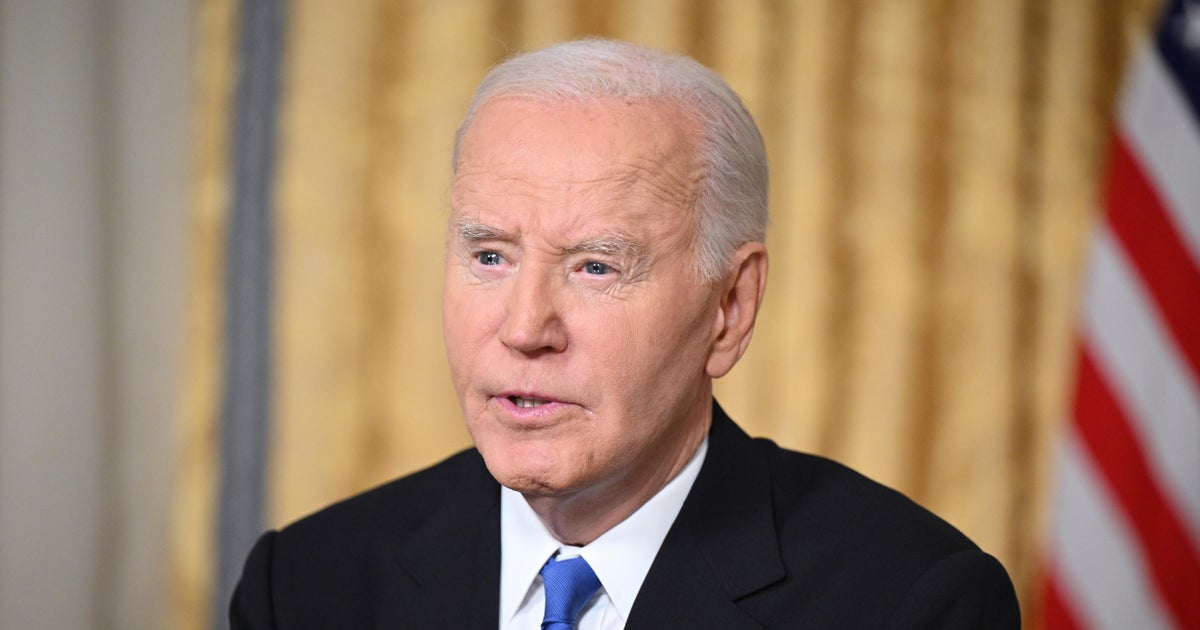

Federal Investigation Into Biden’s Use of Autopen for Pardons Quietly Closes
Probe Ends Without Criminal Charges
Federal prosecutors working under U.S. Attorney Jeanine Pirro have quietly shelved their investigation into former President Joe Biden and his administration’s alleged improper use of an autopen device to sign official pardons and other presidential documents. According to sources familiar with the matter who spoke with CBS News, the criminal probe has been officially closed after investigators were unable to find sufficient legal grounds to move forward with any charges. The investigation, which had been initiated following direct orders from President Trump last June, examined whether Biden’s team had illegally employed the mechanical signature device to execute critical presidential actions while potentially concealing cognitive decline. The closure of this case marks another failed attempt by Pirro’s office to pursue criminal cases against individuals associated with President Trump’s political opposition, raising questions about the motivation and viability of these investigations from their inception.
While the exact timeline of when prosecutors decided to close the case remains unclear, the decision appears to have been made after a thorough review revealed no actionable criminal violations. The investigation had focused on whether the use of autopen technology—a mechanical device that replicates a person’s signature—constituted an unlawful delegation of presidential authority or an attempt to deceive the public about Biden’s capacity to fulfill his duties. Despite the serious nature of these allegations and the political pressure surrounding the probe, prosecutors ultimately determined there was no legal foundation to support criminal charges. This outcome suggests that the use of autopen technology for presidential signatures, while perhaps raising questions about protocol and transparency, does not necessarily cross the threshold into criminal behavior under current federal law.
Trump’s Orders and Allegations
The investigation originated from a direct presidential memo issued by President Trump to Attorney General Pam Bondi and the White House counsel last June, months after Trump had publicly questioned the legitimacy of pardons issued during the Biden administration. In his directive, Trump characterized the alleged use of autopen technology as a potential “conspiracy” designed to “abuse the power of Presidential signatures” while concealing what he claimed was Biden’s cognitive decline. The memo specifically referenced numerous executive actions taken during Biden’s presidency, including pardons and judicial appointments, suggesting that serious doubts existed regarding Biden’s decision-making process and his level of awareness about actions being taken in his name. Trump’s order argued that if Biden’s advisers had “secretly used the mechanical signature pen” without proper authorization, it could have far-reaching “implications for the legality and validity of numerous executive actions” taken during his predecessor’s term in office.
At the time these allegations first surfaced, President Biden forcefully rejected the accusations, dismissing them as baseless attacks motivated purely by political considerations. Biden characterized the controversy as “nothing more than a distraction by Donald Trump and Congressional Republicans,” suggesting that the claims were designed to divert public attention from other issues rather than address any legitimate concerns about presidential procedures. The former president’s response highlighted the deeply partisan nature of the investigation and foreshadowed the difficulty prosecutors would face in building a criminal case around what essentially amounted to questions about administrative practices. The use of autopen technology by presidents is not unprecedented, and establishing that such use constituted criminal conduct would require demonstrating intent to deceive or unlawfully delegate presidential authority—a high bar that investigators apparently could not meet.
Pattern of Failed Prosecutions
The abandoned autopen investigation represents just one example in a troubling pattern of unsuccessful attempts by Pirro’s office to bring criminal charges against individuals perceived as political opponents of President Trump. In another highly publicized case, a grand jury recently refused to indict six Democratic lawmakers who had been accused of violating federal law by encouraging military service members to reject unlawful orders in a video they released the previous fall. What made that grand jury decision particularly remarkable was that not a single grand juror voted in favor of bringing charges—an extraordinarily rare outcome that suggests the case presented to them lacked even minimal evidentiary support. Typically, prosecutors enjoy considerable success in obtaining indictments from grand juries, making the unanimous rejection of this case a strong indicator that the charges lacked merit from the beginning.
Beyond these two failed investigations, Pirro’s office has also pursued an aggressive and unusual legal battle against the Federal Reserve, seeking to subpoena records related to renovations at the institution and statements made by Chairman Jerome Powell about those renovations during congressional testimony. The Federal Reserve has been quietly fighting these subpoenas in sealed court proceedings, taking advantage of grand jury secrecy rules to keep the legal dispute out of public view. This case raises questions about the appropriate scope of criminal investigations and whether prosecutorial resources are being properly deployed to investigate genuine criminal activity or weaponized for political purposes. The combination of these failed or questionable prosecutions has fueled concerns among legal experts and civil liberties advocates about the potential politicization of federal law enforcement under the current administration.
Legal and Constitutional Implications
The closure of the autopen investigation without charges raises important questions about the intersection of presidential authority, administrative practices, and criminal law. The use of autopen devices by presidents and other high-ranking officials is not a new phenomenon—such technology has been employed by various administrations for decades to manage the enormous volume of documents requiring presidential signatures. The legal question at the heart of this investigation was whether using such a device for significant actions like pardons or judicial appointments crosses a line from acceptable administrative convenience into unlawful delegation of constitutional authority. Pardons, in particular, represent one of the most significant powers vested in the president by the Constitution, and any suggestion that such power was being exercised without the president’s direct knowledge or consent would raise serious legal and constitutional concerns.
However, establishing criminal liability in such a case would require more than simply demonstrating that an autopen was used. Prosecutors would need to prove that the use of the device was unauthorized, that it was employed with intent to deceive, or that it constituted an unlawful delegation of presidential authority—all of which are difficult elements to establish beyond a reasonable doubt. The fact that prosecutors closed the investigation suggests they concluded these elements could not be proven with available evidence. This outcome may also reflect the reality that current federal law does not clearly criminalize the use of signature technology for presidential documents, even if such practices might raise policy questions about transparency and the proper execution of presidential duties. The case highlights a potential gap between what might be considered questionable administrative practice and what actually constitutes criminal behavior under federal law.
Political Context and Accountability
The political context surrounding these investigations cannot be ignored when evaluating their significance and ultimate failure. President Trump has been vocal about his belief that his political opponents, including Biden and Democratic lawmakers, have engaged in various forms of wrongdoing that warrant criminal investigation. However, the pattern of failed prosecutions emerging from Pirro’s office raises legitimate questions about whether these investigations were initiated based on credible evidence of criminal activity or whether they represented attempts to use the criminal justice system for political retribution. The unanimous grand jury rejection of charges against Democratic lawmakers and the closure of the Biden autopen probe without charges suggest that whatever political motivations may have existed for launching these investigations, the actual evidence did not support criminal prosecution.
This situation highlights the fundamental tension between political accountability and the proper role of criminal prosecution in a democratic society. While holding public officials accountable for potential misconduct is essential, the criminal justice system should not be used as a tool for settling political scores or investigating opponents based on unsubstantiated allegations. The fact that multiple high-profile investigations initiated under political pressure have failed to result in charges may indicate that appropriate prosecutorial discretion is ultimately being exercised, even if the decision to launch the investigations in the first place raised concerns. Moving forward, these cases will likely fuel ongoing debates about the independence of federal prosecutors, the appropriate relationship between the White House and the Department of Justice, and the standards that should govern decisions to initiate criminal investigations of political figures. The American public deserves confidence that federal law enforcement is guided by evidence and law rather than political considerations, and the pattern of failed prosecutions does little to inspire that confidence.