
High-Stakes Poker Scandal: NBA Stars and Mafia Figures Face Federal Charges
A Sweeping Federal Investigation Unfolds
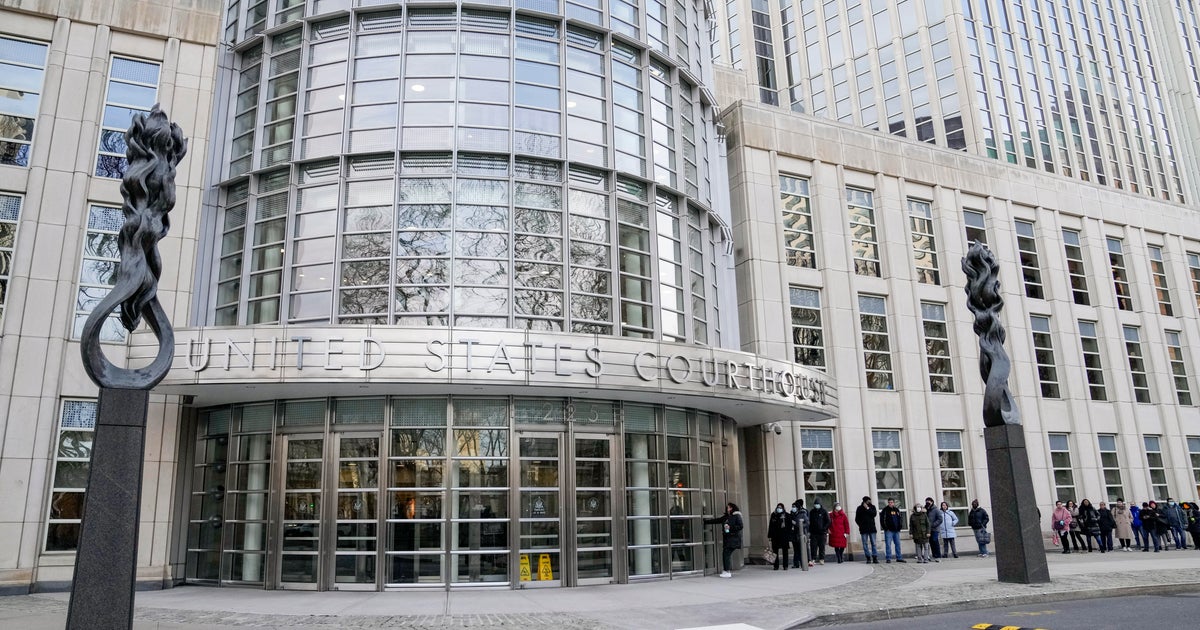
A complex web of illegal gambling, organized crime, and professional basketball has converged in a Brooklyn federal courtroom, where thirty-one defendants are facing serious charges related to rigged poker games and illegal sports betting schemes. Among those caught in this sprawling investigation are notable NBA figures, including Hall of Famer and current coach Chauncey Billups and former player Damon Jones, alongside alleged members of notorious mafia families. The case, which emerged from an extensive FBI crackdown conducted in October, has sent shockwaves through both professional sports and law enforcement communities. On Wednesday, prosecutors announced that twelve defendants have agreed to enter plea deals in the coming days, though their identities remain undisclosed at this time. Meanwhile, nine additional defendants are reportedly in ongoing discussions about potential plea agreements, suggesting that the resolution of this high-profile case may be approaching. Sources familiar with the proceedings have indicated that Billups is not expected to be among those accepting a plea deal, as he and Jones, along with other defendants, have maintained their innocence by entering not guilty pleas in earlier court appearances.
The Elaborate Scheme: Technology Meets Deception
The alleged criminal enterprise represents a sophisticated operation that prosecutors claim generated more than $7 million through an elaborate cheating scheme centered on high-stakes poker games. What sets this case apart from typical gambling violations is the technological sophistication employed by the alleged perpetrators. According to the indictment, the operation utilized an array of high-tech gadgets that would seem more at home in a spy thriller than a card game. These devices included X-ray tables capable of seeing through cards, a rigged card-shuffling machine that had been secretly altered to read cards before dealing them, hidden cameras strategically placed to capture opponents’ hands, and specially designed glasses that could detect otherwise invisible markings on playing cards. This technological arsenal allowed those running the games to maintain a decisive advantage over unsuspecting victims who believed they were participating in legitimate, if high-stakes, poker games. The elaborate nature of the scheme demonstrates a level of planning and investment that goes far beyond casual cheating, pointing instead to an organized criminal operation designed to systematically defraud wealthy participants.
The “Face Cards” Strategy and Celebrity Involvement
Central to the operation’s success was a cunning psychological strategy that prosecutors have outlined in their case. Wealthy individuals were deliberately invited to what the indictment describes as “rigged games” featuring well-known former professional athletes, referred to in court documents as “face cards.” The presence of these recognizable sports figures served a dual purpose: it lent an air of legitimacy to the games while also attracting affluent participants who were excited about the prospect of playing poker with famous athletes. These celebrity athletes allegedly received portions of the proceeds generated by the “cheating teams,” making them complicit in the fraudulent scheme. This arrangement created a symbiotic relationship where the athletes’ fame was monetized through their participation in games that were rigged against other players. The specific incident involving Billups and Jones allegedly occurred at a Las Vegas game in 2019, where court documents indicate a rigged shuffling machine was employed. According to FBI allegations, one victim alone was defrauded of $50,000 during that particular game, illustrating the substantial financial stakes involved and the significant losses suffered by those who unknowingly participated in the fixed games.
Organized Crime’s Central Role
The investigation has revealed deep connections to traditional organized crime families, with several alleged mafia members facing charges for their roles in orchestrating and profiting from the illegal gambling operations. Among the most prominent figures is Angelo Ruggiero, Jr., whom prosecutors identify as a member of the Genovese crime family and a key organizer of one of the recurring rigged poker games. The Genovese family, one of the “Five Families” that have historically dominated organized crime in New York, has long been associated with various illegal gambling operations, making this case consistent with the family’s traditional revenue streams. Another significant defendant is Thomas Gelardo, known by the street name “Juice,” whom prosecutors have identified as an associate of the Bonanno crime family, another of New York’s historic organized crime organizations. According to the allegations, Gelardo supervised a poker game held at a residence on Lexington Avenue in Manhattan and received a cut of the proceeds from the fraudulent operation. Both Ruggiero and Gelardo are currently being held at the federal detention center in Brooklyn, along with another defendant named Curtis Meeks, suggesting that prosecutors view these individuals as particularly central to the alleged conspiracy or as flight risks who should not be released pending trial.
The Scope of Evidence and Two-Pronged Investigation
The magnitude of the federal investigation becomes clear when examining the volume of evidence that prosecutors have accumulated and disclosed to defense attorneys. In court filings, government lawyers revealed that they have produced over 100,000 pages of financial and telephone records, demonstrating the extensive paper trail left by the alleged operation. Additionally, prosecutors have compiled over 800 pages of surveillance photographs and pole camera footage from a series of poker games held at the Lexington Avenue residence, providing visual documentation of the alleged criminal activity. This extensive evidence suggests that federal investigators spent considerable time and resources building their case before making arrests. The investigation actually encompasses two separate but related cases, together involving thirty-four charged individuals across two indictments. While twelve of the defendants set to accept plea deals are associated with the rigged poker games, the investigation’s other component focuses on illegal sports betting, specifically bets on basketball games that were allegedly placed using insider information related to injury reports. This second aspect of the case suggests that some defendants may have exploited their access to privileged information about player health and availability to gain an unfair advantage in sports betting markets, potentially compromising the integrity of professional basketball games.
Implications and the Path Forward
As this case progresses through the federal court system, it raises important questions about the intersection of celebrity, organized crime, and illegal gambling in contemporary America. The involvement of respected NBA figures like Chauncey Billups, who has transitioned from a celebrated playing career to coaching, brings uncomfortable scrutiny to professional sports and the financial activities of athletes both during and after their playing days. For the twelve defendants preparing to enter plea agreements, the decision to cooperate with prosecutors likely reflects the strength of the evidence against them and the potential for reduced sentences in exchange for their cooperation. The nine others still in plea discussions may be evaluating their options as they assess the government’s case and their prospects at trial. For those maintaining their innocence, including reportedly Billups, the path ahead involves the challenge of defending themselves against a prosecution armed with extensive documentation, surveillance footage, and potentially the testimony of co-defendants who have agreed to cooperate. The case also serves as a reminder of law enforcement’s continued focus on combating organized crime’s involvement in illegal gambling, even as legal sports betting expands across the United States. The sophisticated technology allegedly employed in this scheme demonstrates that criminal operations continue to evolve, requiring equally sophisticated investigative techniques to detect and prosecute. As the formal plea deals are entered in the coming days and the case moves toward resolution for some defendants while potentially proceeding to trial for others, the full extent of this alleged conspiracy and its impact on victims will become clearer, offering lessons about the persistent dangers of illegal gambling and the importance of integrity in professional sports.