
U.S. and Ecuador Unite in Historic Anti-Narco Terrorism Operation
A New Chapter in Counter-Narcotics Cooperation
In a significant development marking increased cooperation between the United States and Latin American nations in combating drug-related violence, the U.S. Southern Command announced a joint military operation with Ecuador targeting designated terrorist organizations operating within Ecuadorian territory. While the announcement on Tuesday represented a milestone in military collaboration, sources familiar with the operation emphasized that American involvement was strictly advisory in nature, with U.S. military personnel remaining behind the scenes rather than participating directly in combat operations on the ground. This careful distinction highlights the sensitive nature of foreign military operations in sovereign Latin American nations and reflects a measured approach to international security cooperation. The operation, praised by U.S. Southern Command as “a powerful example of the commitment of partners in Latin America and the Caribbean to combat the scourge of narco-terrorism,” signals a deepening relationship between Washington and Quito in addressing the violence and instability caused by powerful drug trafficking organizations that have increasingly destabilized Ecuador in recent years.
The American Role: Advisory, Not Combat
According to sources with knowledge of the operation who spoke with ABC News, the American military’s contribution to this joint mission was fundamentally different from traditional combat operations. U.S. military advisors were present in Ecuador, but their role was confined to providing essential support services including planning assistance, intelligence sharing, and operational guidance during the preparatory phases of the mission. These advisors worked alongside their Ecuadorian counterparts to help design the operation and ensure its success, drawing on American expertise in counter-narcotics operations and intelligence gathering capabilities that have been refined over decades of similar missions worldwide. However, when it came time to execute the actual operation, American forces stepped back entirely. The ground operation itself, along with associated airlift operations, was carried out exclusively by Ecuadorian military forces. This approach allows the United States to contribute its considerable expertise and resources to the fight against narco-terrorism while respecting Ecuadorian sovereignty and avoiding the political complications that could arise from American troops conducting combat operations on Latin American soil. It represents a model of international cooperation that may become increasingly common as the Trump administration expands its efforts against drug cartels throughout the region.
A Historic First for the Trump Administration
This joint operation represents a notable escalation and evolution in the Trump administration’s ongoing campaign against Latin American drug cartels, marking the first time U.S. military forces have been involved in a land-based operation as part of this effort. Previously, American military involvement in counter-narcotics operations in the region had been limited to a very different type of engagement—airstrikes conducted against drug smuggling vessels operating in international waters of the Eastern Pacific Ocean and the Caribbean Sea. These maritime interdiction efforts, while significant, did not involve the complexities of operating in partnership with another nation’s forces on their sovereign territory. The shift to supporting land operations, even in an advisory capacity, signals a willingness to deepen military cooperation with willing partners in Latin America who are facing unprecedented challenges from increasingly powerful and violent criminal organizations. Ecuador has experienced a dramatic deterioration in security conditions in recent years as drug trafficking organizations have expanded their presence and influence, leading to rising homicide rates, prison violence, and challenges to state authority in certain regions. The country’s strategic location between major cocaine-producing nations like Colombia and Peru and international maritime routes to North America and Europe has made it an attractive territory for cartels seeking to move their products to market.
Limited Information and Operational Security
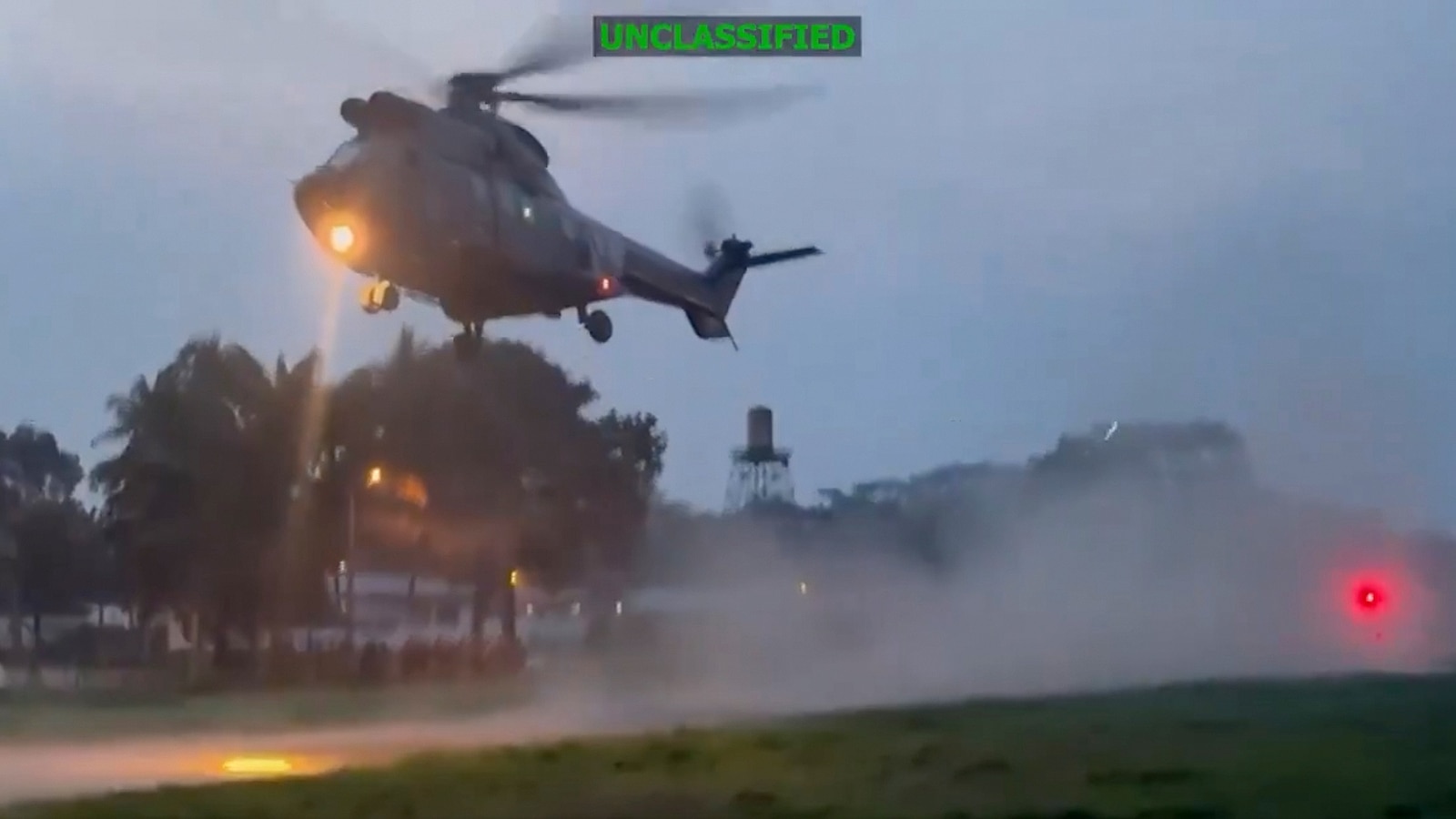
Despite the historic nature of this operation, U.S. Southern Command provided remarkably few details about what actually occurred during the mission. No information was released regarding the specific location of the operation within Ecuador, which designated terrorist organizations were targeted, what objectives were achieved, whether any arrests were made, what quantities of drugs or weapons might have been seized, or whether there were any casualties on either side. This information blackout is not unusual for sensitive military operations, particularly those involving partnerships with foreign governments and targeting dangerous criminal organizations. Releasing too much detail about operational methods, intelligence sources, or tactical approaches could compromise future operations and potentially endanger personnel. Additionally, the Ecuadorian government may have its own reasons for limiting public disclosure about the operation, including domestic political considerations and concerns about potential retaliation from the targeted organizations. Along with the announcement, U.S. Southern Command did release a video that appears to show Ecuadorian forces and military aircraft, presumably involved in the operation, though no context or explanation was provided about what specific activities the footage depicted or when and where it was recorded. The limited visual evidence suggests a professional military operation but leaves many questions unanswered about the scope and impact of the joint effort.
The Growing Threat of Narco-Terrorism in Ecuador
The decision to conduct this operation reflects the increasingly serious security situation in Ecuador, a nation that has transformed dramatically over the past several years from one of South America’s safest countries to one experiencing cartel-related violence comparable to some of the region’s most troubled nations. Drug trafficking organizations, including powerful Mexican cartels and Albanian networks, have established significant operations in Ecuador, taking advantage of its extensive Pacific coastline, porous borders, and strategic position for cocaine transshipment. These groups have not only used Ecuador as a corridor for moving drugs but have also fought violent territorial battles with each other, recruited local gangs, corrupted government officials, and challenged state authority in prisons and certain neighborhoods. The violence has shocked Ecuadorian society, with homicide rates climbing dramatically and incidents of extreme violence becoming increasingly common. The country’s prison system has been particularly affected, with numerous deadly riots and massacres occurring as different criminal factions battle for control. Ecuadorian President Daniel Noboa has declared a state of emergency and taken aggressive steps to confront the cartels, including designating certain organizations as terrorist groups—the legal framework that presumably allowed this joint operation with the United States to be characterized as targeting “designated terrorist organizations in Ecuador.” For Ecuador, partnership with the United States offers access to intelligence capabilities, training, equipment, and expertise that the country’s own security forces may lack after years of relative peace left them unprepared for the current crisis.
Implications for Regional Security Cooperation
This joint operation may represent a template for future U.S. military engagement in Latin America under the current administration’s approach to combating drug trafficking and related violence. The advisory model—providing planning support, intelligence, and operational guidance while leaving actual combat operations to partner nation forces—offers several advantages. It allows the United States to contribute meaningfully to addressing shared security challenges without the political complications of American troops conducting combat operations in Latin American countries, where historical memories of U.S. military interventions remain sensitive issues. It respects partner nation sovereignty while building local capacity and capabilities that will remain after American advisors depart. And it reduces risks to U.S. personnel while still advancing American security interests in reducing the flow of drugs toward U.S. borders and promoting regional stability. Other nations facing similar challenges from drug trafficking organizations will be watching closely to see whether this operation yields results and whether Ecuador’s partnership with the United States proves beneficial or controversial domestically. If deemed successful, similar collaborative operations could expand to other willing partners in Central and South America. However, the approach also has limitations—it depends entirely on partner nations having both the will and capacity to conduct effective operations, and it may prove insufficient against the most powerful and entrenched criminal organizations. The coming months will reveal whether this historic joint operation represents a one-time event or the beginning of a new chapter in hemispheric security cooperation.