


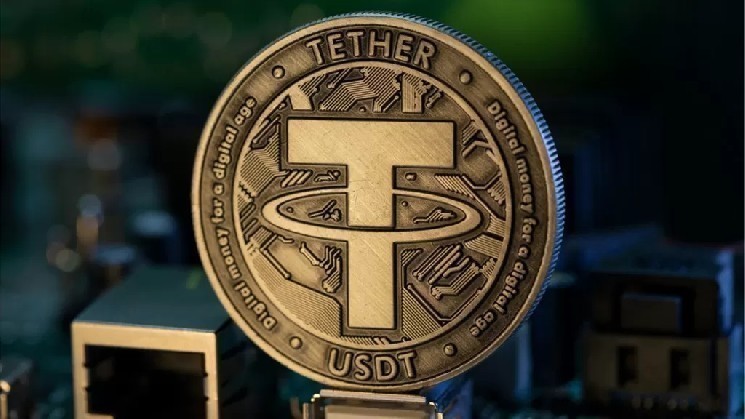

Tether Backs Away from Massive $20 Billion Funding Round After Investor Pushback
A Major Shift in Strategy
In a significant development that has caught the attention of the cryptocurrency world, Tether—the company behind USDT, the world’s most widely used stablecoin—has made a dramatic U-turn on its ambitious fundraising plans. According to reports from the Financial Times and Wall Street Journal, the company has decided to scrap its original proposal to raise a staggering $20 billion from investors. This decision comes after facing considerable resistance and skepticism from the very investors the company was hoping to attract. What makes this story particularly interesting is not just the size of the funding round that was proposed, but also what it reveals about the current state of the cryptocurrency market and the challenges that even the most established players in the space continue to face when it comes to traditional investor confidence.
The initial plan was nothing short of ambitious. Tether had envisioned raising $20 billion in what would have been one of the largest funding rounds in the cryptocurrency industry’s history. This massive injection of capital would have catapulted the company’s valuation to an eye-watering $500 billion, placing it among some of the world’s most valuable companies. To put this in perspective, a $500 billion valuation would have made Tether more valuable than many established Fortune 500 companies and positioned it as a true heavyweight not just in the crypto space, but in the broader financial world. However, as often happens when ambitious plans meet market reality, the company found itself facing a level of investor skepticism that ultimately forced a complete rethinking of the strategy.
Understanding the Investor Concerns
The reasons behind investor hesitation paint a revealing picture of the challenges facing stablecoin operators in today’s regulatory and market environment. According to the Wall Street Journal’s reporting, potential investors raised multiple red flags about the proposed funding round. Their concerns weren’t trivial—they struck at the heart of fundamental questions about Tether’s business model, regulatory standing, and long-term viability. The sheer scale of the proposed raise was itself a source of concern, with investors arguing that attempting to justify a $500 billion valuation placed an enormous burden on the company to demonstrate that it could sustain and grow such a massive market value.
Beyond the valuation concerns, investors expressed deeper worries about the regulatory uncertainty surrounding the stablecoin business. Stablecoins like USDT operate in a gray area of financial regulation in many jurisdictions, and regulators worldwide have been increasingly vocal about their intention to bring these digital assets under stricter oversight. Investors naturally worry about how new regulations might impact Tether’s operations, profitability, and even its ability to continue functioning in its current form. Additionally, there were questions raised about trust—a particularly sensitive topic for Tether, which has faced scrutiny in the past regarding the backing of its stablecoin and whether it truly holds sufficient reserves to match every USDT token in circulation.
The investor concerns also extended to questions about Tether’s capital structure and risk exposure. For any company seeking such a massive investment, potential backers want clear answers about how the business is structured, where the risks lie, and how their investment would be protected. In Tether’s case, the unique nature of operating a stablecoin—which requires maintaining reserves to back tokens while also generating returns for the business—creates a complex financial picture that investors wanted to understand more clearly before committing billions of dollars.
The New, More Modest Approach
Rather than abandoning fundraising efforts entirely, Tether has pivoted to a significantly scaled-back approach. Current reports suggest the company is now in discussions with investors about raising approximately $5 billion—a substantial reduction from the original $20 billion target, but still a considerable amount of capital by most standards. This represents a more than 75% reduction in the proposed funding round, signaling that the company heard the message from potential investors loud and clear and decided that a more modest approach would have a better chance of success.
This dramatic scaling back of ambitions reflects a more pragmatic approach from Tether’s leadership. By targeting $5 billion instead of $20 billion, the company is essentially acknowledging that it overreached with its initial proposal and that market conditions and investor sentiment require a more conservative strategy. A $5 billion raise would still provide substantial capital for whatever expansion or strategic initiatives Tether has in mind, while presumably requiring a much more reasonable company valuation that investors would find easier to justify and accept.
Leadership Response and Financial Strength
Tether CEO Paolo Ardoino has addressed the change in strategy with a measured response that frames the pivot as a natural adjustment rather than a retreat. According to Ardoino, the decision to adjust the direction of the investment round was made to better align with investor expectations and current market conditions. This diplomatic language suggests that company leadership recognizes the importance of working with the market rather than against it, and that being responsive to investor feedback is crucial for any successful fundraising effort.
Perhaps more importantly, Ardoino emphasized that Tether’s financial position remains robust enough that the company could continue operating successfully without any external investment at all. This statement serves multiple purposes: it reassures the market that Tether isn’t desperately seeking funds to stay afloat, it positions any eventual fundraising as opportunistic rather than necessary, and it demonstrates confidence in the company’s existing business model and revenue generation capabilities. Indeed, the company announced last year that it had generated approximately $10 billion in profits, with the bulk of these earnings coming from yields on the reserves it holds to back USDT tokens. This profit figure demonstrates that Tether has a genuinely profitable business model and isn’t reliant on external funding for day-to-day operations.
What This Means for the Broader Market
The Tether funding saga offers valuable insights into the current state of cryptocurrency market dynamics and investor sentiment. Despite the massive growth of the cryptocurrency industry and the increasing mainstream acceptance of digital assets, traditional investors still approach the space with considerable caution, particularly when it comes to large-scale commitments. The fact that investors pushed back so strongly against Tether’s initial proposal suggests that even the most established cryptocurrency companies still face significant skepticism when seeking traditional venture capital or private equity investment.
The situation also highlights the ongoing tension between the cryptocurrency industry’s ambitions and the regulatory and trust challenges that continue to plague it. Stablecoins, despite their growing importance in the crypto ecosystem, remain controversial from a regulatory perspective, and this uncertainty naturally makes investors nervous about committing large amounts of capital. Tether’s experience suggests that until there is greater regulatory clarity and perhaps more transparency around stablecoin operations, even the most successful players in this space may struggle to attract the kind of massive institutional investment they seek.
Looking Ahead
As reported, Tether’s investment discussions remain in early stages, and the final funding amount has not yet been determined. This suggests that the situation continues to evolve, and it’s possible that the eventual outcome could differ from current expectations. The company may ultimately decide to raise more or less than the currently discussed $5 billion, or it may choose to forgo external funding altogether, relying instead on its substantial profits to fund growth and operations.
What’s clear is that this episode represents an important moment for both Tether and the broader cryptocurrency industry. It demonstrates that even the most successful cryptocurrency companies cannot simply command whatever valuation they desire from investors, and that traditional investment due diligence and concern about regulatory risks remain very real factors in fundraising decisions. For Tether, moving forward with a more modest fundraising approach—if they proceed at all—may ultimately prove to be a wiser strategy that better serves both the company and its potential investors. The fact that the company generates billions in annual profits and maintains it doesn’t actually need external funding puts it in a position of strength, allowing it to be selective about any investment it does accept and to negotiate from a position of financial stability rather than desperation. This careful, measured approach may ultimately serve the company better than the initial ambitious proposal that captured headlines but failed to capture investor confidence.