
The Austin Shooting: A Tragedy with Warning Signs That Were Missed
A Violent Attack Months Before the Mass Shooting
The horrific mass shooting that shattered lives in Austin, Texas, last weekend has taken on an even more troubling dimension with revelations that the gunman had allegedly committed a violent assault just three months earlier. Ndiaga Diagne, the man responsible for killing three innocent people and injuring more than a dozen others, apparently attacked a 65-year-old woman at a Tesla facility in December, according to a lawsuit filed this past Thursday. The victim, Lilian Brady, a Tesla employee, had no idea who her attacker was at the time of the assault. It wasn’t until she saw news coverage of the weekend’s mass shooting that she recognized the face of the man who had violently thrown her to the ground without any provocation. The connection between these two violent incidents raises serious questions about whether warning signs were missed and if this tragedy could have been prevented.
According to Brady’s attorney, Robert Hilliard, his client reported the December assault to both Tesla management and the Travis County Sheriff’s Office immediately after it happened. However, she faced significant obstacles in pursuing justice because she didn’t know her attacker’s identity and had no video evidence of the incident. Despite her requests, Tesla apparently did not provide her with footage that might have helped identify Diagne. The lawsuit filed on Brady’s behalf accuses Tesla of negligence, claiming the company allowed an employee with “known aggressive tendencies” to be in common areas with other workers. The suit seeks damages exceeding $1 million. FBI investigators interviewed Brady this week as part of their ongoing investigation into the mass shooting, though the FBI has not yet commented publicly on this aspect of their inquiry.
The Attack That Ended in Tragedy
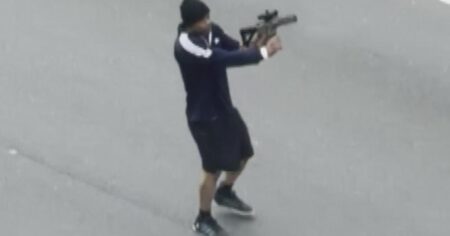
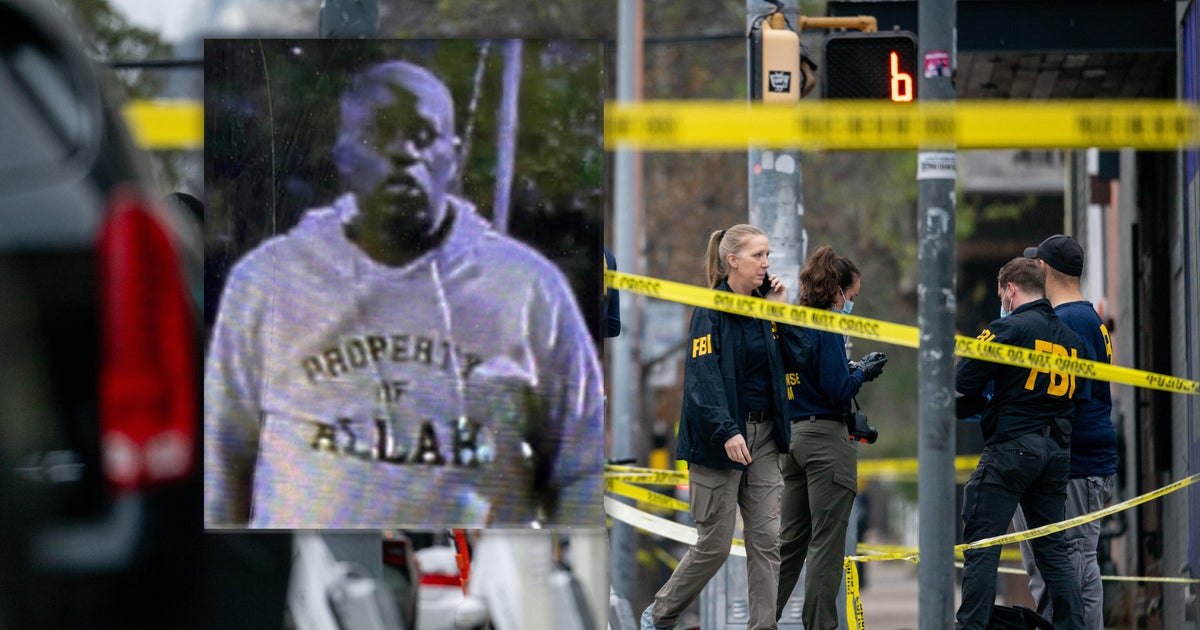
The violence that erupted in the early morning hours of Sunday, March 1st, left Austin reeling. At approximately 1:30 a.m., Diagne opened fire on unsuspecting people gathered on the patio of an Austin bar. Witnesses described scenes of absolute chaos as gunfire rang out and people scrambled for safety. Law enforcement sources revealed that Diagne used a handgun during the attack and also had an AR-style rifle with him. When police arrived on the scene, they confronted the gunman and ultimately shot and killed him, ending the rampage but leaving behind a scene of carnage and heartbreak. Three people lost their lives that night, and more than a dozen others suffered injuries, some critical. In the SUV that Diagne used during his attack, investigators found a Quran, and witnesses noted that he wore a shirt bearing insignia associated with the Iranian regime, details that have added layers of complexity to the investigation into his motives.
Austin Police Chief Lisa Davis addressed the media on Thursday, stating that her department had never had any previous contact with Diagne before the shooting. This statement has raised eyebrows given the allegations that he had violently assaulted someone just months earlier in the same city. However, Brady’s attorney suggests that other local law enforcement agencies may have had knowledge of Diagne. Hilliard indicated he believes that law enforcement officials, though perhaps not specifically the Austin Police Department, had screened surveillance video of Diagne at the Tesla facility prior to Sunday’s attack. If true, this raises difficult questions about communication between different law enforcement agencies and whether critical information failed to reach the people who needed it most.
The December Assault: A Potential Warning Sign Ignored
The details of the December assault on Lilian Brady are chilling in their randomness and violence. According to her attorney, Diagne was praying on a walking path at the Tesla facility in Austin when he suddenly and without any apparent provocation grabbed Brady and threw her to the ground. The 65-year-old woman was simply going about her workday when she became the victim of this unprovoked attack. The lawsuit alleges that Diagne was also a Tesla employee at the time, which would mean the two worked for the same company. Brady’s experience was undoubtedly traumatic, but it became even more disturbing when she realized, months later, that the man who attacked her had gone on to commit mass murder. Her attorney characterized the December assault as potentially “an early warning sign of a far greater danger,” a warning that apparently went unheeded.
After the assault, Brady did everything she was supposed to do. She reported what happened to her employer, Tesla, and she filed a report with the Travis County Sheriff’s Office. Despite her efforts to pursue the matter, she hit roadblocks at every turn. Without knowing her attacker’s name and without video evidence of the incident, the investigation stalled. The Travis County Sheriff’s Office confirmed to CBS News that they did investigate Brady’s complaint, but the case has now been officially closed with the notation “because the suspect is deceased.” This bureaucratic resolution does little to address the larger questions about what happened between December and March, and whether anyone in a position of authority connected the dots between an employee committing an unprovoked violent assault and the potential for further, more devastating violence.
Questions About Corporate Responsibility
The lawsuit against Tesla raises important questions about the responsibilities employers have to maintain safe working environments and to take action when employees exhibit violent behavior. Brady’s legal complaint specifically accuses Tesla of negligence for allowing an employee with “known aggressive tendencies” into common areas where other employees gathered. The phrase “known aggressive tendencies” suggests that the December assault may not have been the first indication that Diagne posed a potential threat. If Tesla management was aware of concerning behavior and failed to take adequate steps to protect other employees or to alert law enforcement, the company could face significant liability. Tesla has not yet responded to requests for comment from CBS News regarding the lawsuit and its allegations, and CBS News has noted that it has not independently confirmed Diagne’s employment with the company at the time of either incident.
The broader implications of this case extend beyond one company and one tragedy. Workplaces across America struggle with how to identify potential threats, how to balance employee privacy with safety concerns, and how to respond appropriately when workers exhibit troubling behavior. The challenge is particularly acute in cases where violent behavior occurs suddenly and seemingly without warning, as Brady described her assault. Did Tesla have policies in place to address violent incidents between employees? Were those policies followed? Did anyone at the company consider that a man who would violently attack a 65-year-old coworker without provocation might pose a broader threat? These are questions that the lawsuit will likely explore, and the answers could have implications for how companies across the country approach workplace safety and violence prevention.
Moving Forward: Lessons and Unanswered Questions
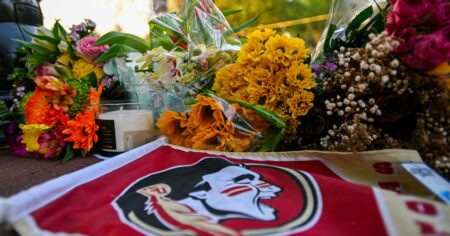
As Austin mourns the victims of this senseless violence and the community begins the long process of healing, the revelations about Diagne’s prior assault have added another layer of pain and frustration. For the families who lost loved ones on that terrible Sunday morning, the knowledge that the killer had violently attacked someone just three months earlier must be almost unbearable. Could their family members still be alive if that earlier assault had been taken more seriously? Could better communication between Tesla, local law enforcement agencies, and the Austin Police Department have prevented the tragedy? These are questions that may never have satisfactory answers, but they demand to be asked nonetheless.
The case highlights systemic issues that extend far beyond one individual’s actions. It points to potential gaps in how information is shared between private companies and law enforcement, between different law enforcement agencies, and between those who witness warning signs and those who have the power to intervene. Lilian Brady survived her assault, reported it through proper channels, and tried to get justice, but the system failed to provide her with answers or protection. Worse still, that same system apparently failed to recognize the threat that Diagne posed to the broader community. As investigators continue to piece together Diagne’s background, motives, and the sequence of events that led to the mass shooting, the December assault stands as a haunting reminder that violence often announces itself before it reaches its most terrible conclusion. The challenge for society is to create systems that recognize these warning signs and respond to them effectively before more innocent lives are lost. For now, Austin grieves, Brady seeks answers through her lawsuit, and the rest of the country is left to wonder once again how to prevent the next tragedy before it happens.