
Oil Markets in Turmoil: Understanding the Latest Price Surge and What It Means for Everyone
The Sharp Rise in Global Oil Prices
Oil prices experienced a dramatic jump this Friday, marking a significant moment in global energy markets that hasn’t been seen in quite some time. Brent crude, which serves as the international benchmark for oil prices, climbed above the $90 mark per barrel—a threshold that carries psychological and economic weight for traders, governments, and everyday consumers alike. This isn’t just another routine fluctuation in commodity markets; it represents the first time prices have reached this level since the current wave of geopolitical tensions began unfolding in the Middle East. The increase didn’t happen gradually over weeks or months but came as a sharp, noticeable surge that sent ripples throughout financial markets worldwide. For context, Brent crude rose nearly 7% in a single day to reach $91.33 per barrel, a stark contrast to the approximately $72 per barrel price point that existed before the conflict intensified. Meanwhile, the American oil benchmark, West Texas Intermediate (WTI), saw an even more dramatic climb of about 13%, pushing prices close to $89 per barrel. These aren’t small movements—they represent substantial shifts that will ultimately affect everything from the price at the gas pump to the cost of goods transported across countries and continents.
Escalating Tensions and Political Statements Fueling Uncertainty
The catalyst for this latest price surge wasn’t simply market speculation or seasonal demand patterns—it came directly from the highest levels of political power. US President Donald Trump made a forceful statement on his Truth Social platform that sent shockwaves through diplomatic and financial circles. His declaration that there would be no negotiated agreement with Iran, and that the only acceptable resolution would be “unconditional surrender,” represented a hardline stance that immediately heightened concerns about the trajectory of Middle Eastern conflicts. This kind of uncompromising language from the leader of the world’s largest economy and one of its major oil producers carries enormous weight in energy markets. Traders and analysts who monitor these situations understand that such statements don’t exist in a vacuum—they signal potential military escalation, prolonged conflict, and the very real possibility that oil-producing regions could face disruptions that would take significant supplies off the global market. The financial markets responded accordingly, with investors rapidly recalculating the risks associated with Middle Eastern oil production and beginning to price in scenarios that just weeks ago seemed less likely. This serves as a reminder of how intertwined geopolitics and energy markets have become, where a single statement from a world leader can move billions of dollars in commodity values within hours.
Expert Warnings About Extreme Price Scenarios
Adding fuel to the market’s anxiety, prominent voices from within the energy industry itself began issuing stark warnings about just how severe this situation could become. Qatar’s energy minister, Saad al Kaabi, a figure with intimate knowledge of Gulf oil production and global energy dynamics, painted a particularly concerning picture of potential outcomes. According to reporting by the Financial Times, al Kaabi warned that the ongoing conflict in the Middle East carries the potential to severely disrupt global energy markets in ways that could push oil prices to extraordinary heights—possibly as high as $150 per barrel. To put that figure in perspective, it would represent a more than doubling of prices from where they stood just before the conflict began, and would likely trigger significant economic consequences worldwide, including higher inflation, increased transportation costs, and pressure on economic growth. Such warnings from industry insiders carry particular weight because these are individuals who understand the intricate supply chains, production capacities, and geopolitical relationships that keep global energy flowing. Market analysts have begun acknowledging that their earlier assessments may have been too optimistic, with many now admitting that markets might have underestimated how long this conflict could persist. Traders are increasingly pricing in the possibility of a prolonged war rather than a quick resolution, which fundamentally changes the risk calculations and pushes prices higher as the market builds in a premium for extended uncertainty.
Production Disruptions Spreading Across the Gulf Region
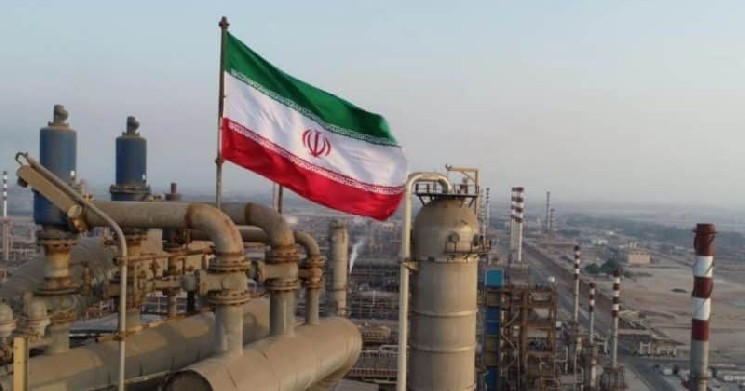
Beyond the rhetoric and warnings, actual physical disruptions to oil production have already begun materializing across the Middle East, turning theoretical risks into concrete realities. Iraq, one of the region’s significant oil producers and a member of OPEC, has already shut down most of its oil production facilities—a dramatic move that removes substantial daily output from global markets. This isn’t a temporary pause for maintenance or a planned reduction; it represents production going offline due to the security and operational challenges posed by the conflict. The situation appears poised to spread further, with Kuwait potentially following suit in the coming days as the country faces a different but related challenge: storage facilities approaching maximum capacity. When storage fills up and there’s nowhere to put newly produced oil, production must be curtailed regardless of market demand or prices. Perhaps most significantly, analysts have begun warning that even Saudi Arabia—the Gulf region’s largest oil producer and the country with the most influential role in global oil markets—could eventually face pressure to reduce its output. Saudi Arabia has historically served as the market’s swing producer, capable of adjusting production levels to help stabilize prices and supply, but if regional conditions deteriorate further, even the kingdom’s flexibility may become constrained. These cascading production concerns create a compounding effect on markets, where each new disruption adds to the overall anxiety and pushes prices incrementally higher as traders calculate the growing deficit between global demand and available supply.
Broader Financial Market Reactions and Spillover Effects
The surge in oil prices didn’t remain confined to energy markets—it quickly spilled over into broader financial markets, demonstrating how interconnected modern financial systems have become. When oil prices spike suddenly, it creates a ripple effect that touches virtually every asset class, as investors reassess valuations, inflation expectations, and economic growth prospects. Risk assets, which are investments that typically perform well during periods of economic stability and growth, took a noticeable hit as oil climbed. Bitcoin, often viewed as a barometer for risk appetite in digital markets, fell roughly 3% on Friday, trading near the $68,000 level as cryptocurrency investors responded to the changing macroeconomic landscape. Traditional equity markets showed similar stress, with the S&P 500—a broad measure of American corporate performance—declining about 1%, while the technology-heavy Nasdaq index fell 1.1%. These declines reflect investor concerns that higher oil prices will translate into increased costs for businesses, reduced consumer spending power, and potentially slower economic growth. For everyday people, these market movements matter because they affect retirement accounts, investment portfolios, and the broader economic environment that determines job security and wage growth. The connection between geopolitical events in the Middle East and the performance of stock markets in New York or London might seem distant, but in reality, they’re intimately linked through the global energy system that powers economic activity everywhere.
Understanding What This Means for Everyday Life
While discussions of barrel prices and market indexes can feel abstract, the implications of these oil price movements will eventually touch the lives of ordinary people in very concrete ways. When oil prices rise substantially, the effects cascade through the economy in multiple directions. The most immediate and visible impact typically appears at gas stations, where fuel prices tend to track crude oil costs with a brief lag. A sustained period of oil above $90 per barrel will likely mean noticeably higher costs for filling up vehicles, which particularly affects people who commute long distances or whose work requires significant driving. But the impacts extend far beyond personal vehicles. Virtually everything we purchase has been transported at some point—by truck, ship, train, or plane—and all these modes of transportation become more expensive to operate when fuel costs rise. These increased transportation costs eventually get passed along to consumers through higher prices for groceries, clothing, electronics, and countless other goods. Airlines typically raise ticket prices or add fuel surcharges when oil spikes, making travel more expensive. Heating costs for homes that use oil-based systems increase. Manufacturing becomes more expensive, potentially leading companies to raise prices or, in some cases, reduce production or employment. The broader economic effects can include upward pressure on inflation, which erodes purchasing power and may prompt central banks to maintain higher interest rates, affecting everything from mortgage costs to credit card rates. Understanding these connections helps explain why events in the Middle East—a region that might seem geographically distant to many—actually matter enormously to household budgets and economic wellbeing around the world. The current situation remains fluid, with the potential for either escalation that could push prices even higher or diplomatic progress that might ease tensions and allow prices to retreat. For now, markets remain on edge, carefully watching both the political developments and the physical reality of oil production and supply across one of the world’s most critical energy-producing regions.