
Trump’s College Sports Crisis Summit: A Push to Save America’s Athletic System
The President’s Urgent Warning
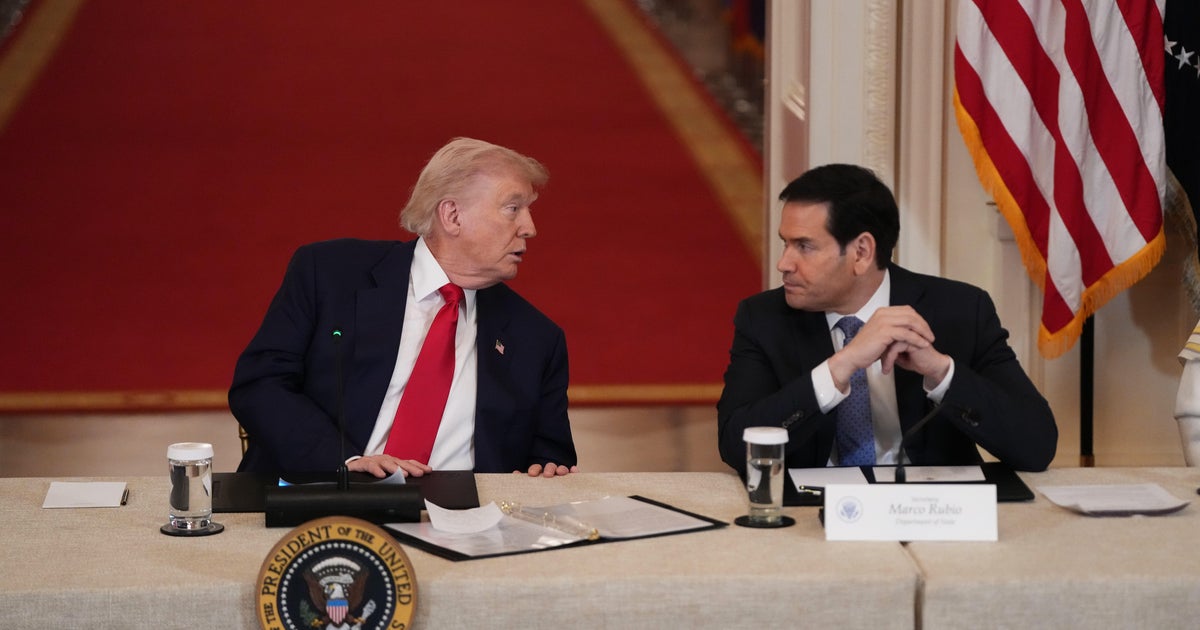
President Trump has sounded an alarm about what he sees as an existential threat to American higher education, and surprisingly, it’s coming from the sports field. During a White House summit held on Friday, Trump didn’t mince words, warning that the entire U.S. collegiate system could collapse unless urgent reforms are made to how college sports operate. His stark prediction centered on the financial chaos that’s erupted since courts approved payments to student-athletes for their name, image, and likeness – commonly known as NIL deals. Trump promised to take executive action within a week, planning to draft what he called an “all-encompassing” executive order that he hopes will force Congress into action. Interestingly, he also acknowledged that such an order would likely face legal challenges, potentially sending the issue back through the court system that created the current situation in the first place. The summit brought together an impressive roster of sports industry heavyweights, including lawmakers, conference commissioners, the NCAA president, and the CEO of the U.S. Olympic team, though notably absent were any of the 550,000 college athletes who are at the center of this debate.
The Financial Crisis Drowning College Athletics
The root of Trump’s concern lies in the financial turmoil that has engulfed college athletic departments since the introduction of NIL payments. Schools across the country are now struggling with what many describe as unsustainable costs as they compete to attract and retain talented athletes who can now be paid for their athletic prowess and personal brand. The old system, which Trump nostalgically referred to as “great,” limited compensation to scholarships and other forms of financial aid, keeping athletic department budgets relatively predictable. Now, institutions find themselves in a financial arms race, with many drowning in red ink as they try to keep pace with wealthier competitors. The situation is complicated further by the fact that clear rules governing these payments have been slow to develop, creating a regulatory wild west where schools are uncertain about what’s permissible and what crosses the line. This uncertainty, combined with escalating costs, has created what Trump described as a system thrown into “tithers” by a “horrible” court settlement – ironically, a settlement that virtually everyone present at the summit had agreed to when it was reached.
The Search for Solutions and More Revenue
The consensus among the assembled sports leaders was clear: the industry needs saving, and that salvation likely requires finding new revenue streams to fund player payments without bankrupting athletic departments. Much of the discussion centered on the SCORE Act, a piece of legislation that has struggled to gain traction in the House of Representatives but is now seen as the potential foundation for any meaningful reform. House Speaker Mike Johnson offered a glimmer of hope, suggesting that enough votes might finally exist to pass the bill. However, the devil remains in the details, particularly regarding how to generate the additional billions needed to make the system work. One proposal gaining attention involves rewriting the existing Sports Broadcasting Act to allow college conferences to pool their television rights collectively. Cody Campbell, a Texas Tech regent who attended the meeting, has championed this approach, arguing it could generate an additional $6 billion that would keep football, basketball, and Olympic sports programs financially viable for decades to come. Campbell even volunteered to join a smaller working group to help Trump draft his executive order, demonstrating the seriousness with which some stakeholders view this opportunity for reform.
The Great Divide Among Power Conferences
Not everyone shares Campbell’s optimism about pooling television rights as the financial savior of college sports. The two wealthiest and most powerful conferences in college athletics – the Southeastern Conference (SEC) and the Big Ten – have expressed significant disagreement with the conclusion that such an approach would solve the industry’s problems. This divide highlights one of the fundamental tensions in college sports reform: the interests of the wealthiest programs often conflict with those of smaller schools struggling to compete. SEC Commissioner Greg Sankey, speaking at the summit, urged the Senate to take action but framed the issue differently than those focused primarily on revenue generation. “This is not about revenue, this is about structures and national standards,” Sankey argued, before outlining the various issues that the SCORE Act in its current form would address. Chief among these is a limited antitrust exemption for the NCAA, a provision that many Democrats oppose on principle, viewing it as giving too much power to an organization that has long profited from unpaid student labor. This political dimension adds another layer of complexity to an already complicated situation, as any solution will need to navigate not just financial and competitive concerns but also partisan political divisions.
Congressional Urgency and the Ticking Clock
Senator Ted Cruz, whose committee plays a crucial role in advancing any legislation through the Senate, emphasized the need for lawmakers to address both the cost and revenue sides of the equation when crafting a solution. His comments carried a sense of urgency that matched Trump’s dire warnings about the system’s future. “If we wait another year, wait another two years, the programs in your state are going away and the students in your state are losing their scholarships,” Cruz warned. “It would be an absolute travesty if we let that happen.” This timeline pressure reflects a growing recognition that the current situation is unsustainable and that athletic departments are making decisions right now about which programs to cut and which athletes will lose their opportunities. The threat isn’t theoretical or distant – it’s immediate and tangible, with real consequences for real students who have worked their entire lives for the chance to compete at the collegiate level while getting an education. The challenge for Congress is to move quickly enough to prevent widespread program eliminations while still crafting legislation thoughtful enough to address the complex web of interests and concerns that characterize modern college sports.
The Broader Implications for American Education
Perhaps most striking about Trump’s involvement in this issue was his insistence that it represents a threat not just to college sports but to the entire American educational system. When questioned about why he was devoting time to college athletics while dealing with major issues like the war in Iran, Trump’s response revealed his view that the two are connected: “The whole educational system is going to go out of business because of this.” This perspective, whether one agrees with it or not, reflects the reality that college sports have become financially intertwined with higher education in America in ways that don’t exist in most other countries. Athletic programs, particularly successful football and basketball teams, serve as revenue generators, marketing tools, and community touchstones for many universities. They fund scholarships not just for athletes but sometimes for non-athletes as well, and they create the school spirit and alumni engagement that drives donations to academic programs. If major athletic programs begin collapsing under the weight of unsustainable NIL payments, the ripple effects could indeed impact the broader institutions they’re part of. The absence of actual student-athletes from the White House summit underscores one of the ongoing criticisms of college sports governance: decisions that profoundly affect athletes’ lives and opportunities are made in rooms where athletes themselves have no voice. As the Trump administration and Congress work toward a solution, the challenge will be creating a system that’s financially sustainable for institutions, fair to athletes who generate enormous value through their performance, and true to the educational mission that supposedly sits at the heart of college athletics.