
Ecuador Expels Cuban Diplomats Amid Rising Regional Tensions
A Sudden End to Diplomatic Relations
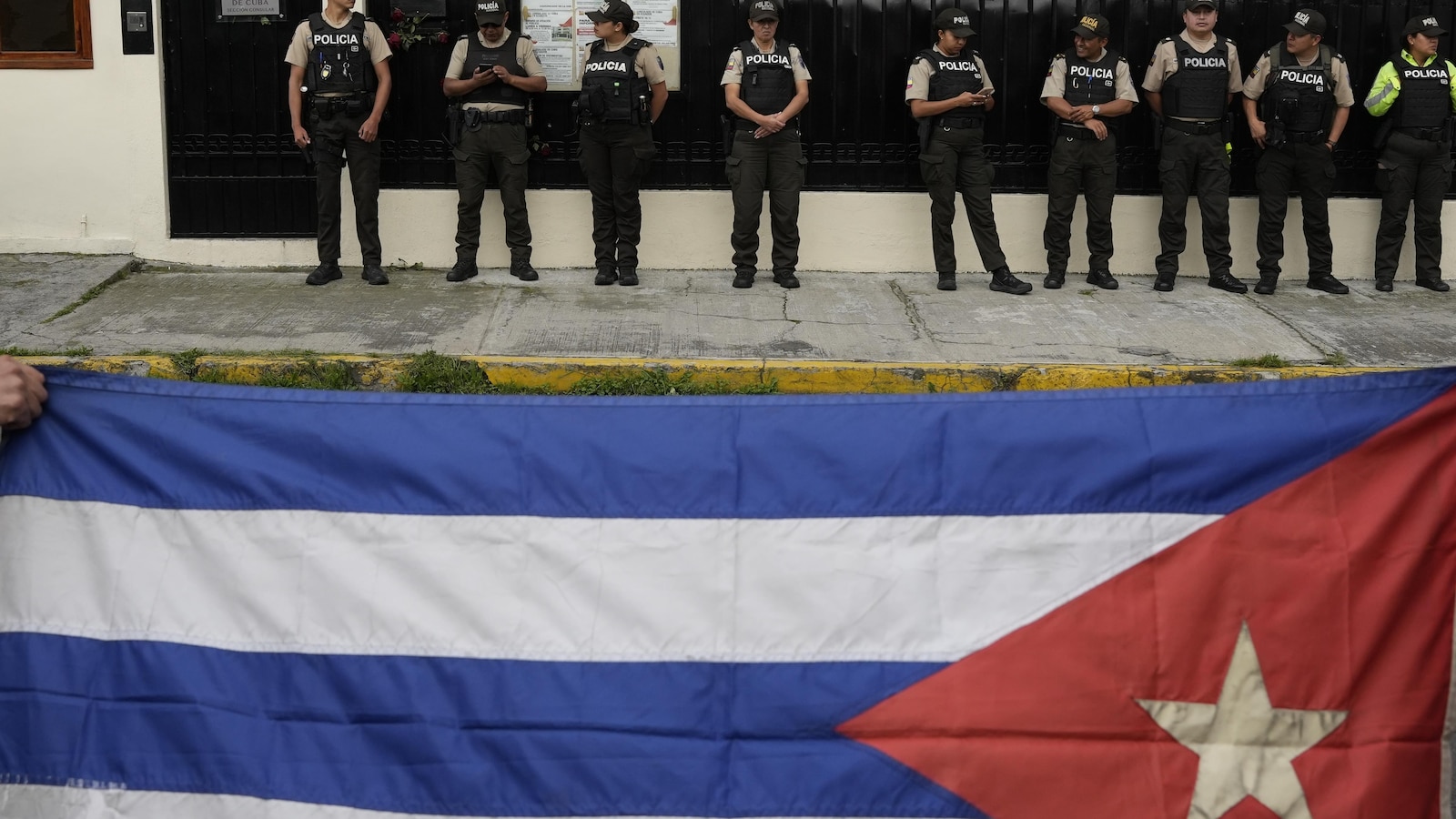
In a dramatic turn of events that sent shockwaves through Latin American diplomatic circles, the Cuban embassy in Ecuador officially closed its doors on Friday after the government of President Daniel Noboa issued an abrupt 48-hour expulsion order. The final moments of Cuba’s diplomatic presence in the South American nation were marked by the solemn lowering of the Cuban flag from the embassy building in northern Quito, symbolizing the end of what had been decades of diplomatic relations between the two countries. The Cuban Foreign Ministry, responding to the expulsion, released a statement confirming that all embassy operations had ceased and expressed deep disappointment over what it termed “the unilateral and unfriendly action” taken by Ecuador’s government. This unprecedented move has left many observers questioning the motivations behind such a hasty decision and what it means for the future of regional diplomacy in Latin America.
The Controversial Expulsion Order
The diplomatic crisis began on Wednesday when Ecuador’s government declared Cuba’s ambassador, Basilio Antonio Gutiérrez, along with his entire diplomatic staff, as “persona non grata” – a designation in international law that essentially makes them unwelcome in the host country. What made this situation particularly unusual was that Ecuador gave the Cuban diplomats just 48 hours to pack up and leave the country, an extremely tight deadline for such a significant diplomatic action. The Ecuadorian Ministry of Foreign Affairs justified the measure by citing international diplomatic law, specifically referencing the Vienna Convention, which does indeed allow countries to declare diplomatic personnel as persona non grata without providing any explanation. However, the government’s refusal to offer any reasons for the expulsion has only fueled speculation and concern about what might have prompted such a drastic decision. The lack of transparency has led to various theories circulating among diplomatic observers, regional analysts, and media outlets throughout Latin America.
The “Paper Barbecue” Incident
Adding an element of intrigue and controversy to an already tense situation, shortly after the expulsion was announced, witnesses including reporters from The Associated Press observed a man on the roof of the Cuban Embassy burning a bag of papers in what appeared to be an improvised oven. This unusual scene, which was captured on video and quickly spread across social media platforms, caught the attention of President Noboa himself, who took to social media to comment on the incident with a blunt and somewhat mocking remark: “A paper barbecue.” The president’s casual and almost flippant response to what was clearly the destruction of potentially sensitive documents suggested a level of tension and perhaps even hostility between the two governments that went beyond typical diplomatic disagreements. The burning of documents is not uncommon when embassies close suddenly or during diplomatic crises, as staff members often need to destroy sensitive or classified materials to prevent them from falling into unauthorized hands. However, the public nature of this particular incident and the president’s decision to draw attention to it on social media added an unusual dimension to what was already an extraordinary diplomatic rupture.
Timing and Regional Political Context
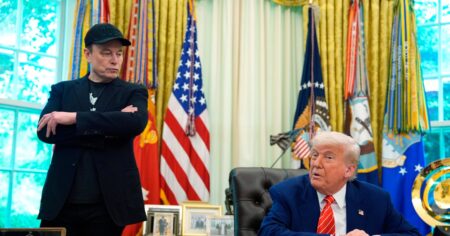
The timing of Ecuador’s decision to expel Cuban diplomats appears to be far from coincidental, occurring just days before U.S. President Donald Trump was scheduled to meet with several conservative Latin American leaders, including Ecuador’s President Noboa, at a gathering in Florida. This proximity to a high-profile meeting with the American president has led many analysts to speculate about possible connections between Ecuador’s actions and broader regional political realignments taking place in Latin America. The expulsion also comes at a time when the United States has been increasing pressure on nations that maintain economic relationships with Cuba, particularly those involved in selling oil to the island nation. President Trump has recently ramped up his rhetoric against Cuba, publicly characterizing it as a “failed nation” and signaling a return to more hardline policies toward the Communist-governed country. Furthermore, regional tensions have been escalating following the dramatic January 3rd capture of former Venezuelan President Nicolás Maduro during a U.S. military operation in Caracas. Maduro had been one of Cuba’s strongest allies in the region, and his removal has created significant uncertainty about the future of leftist and progressive governments throughout Latin America.
Broader Implications for Latin American Diplomacy
The expulsion of Cuban diplomats from Ecuador represents more than just a bilateral dispute between two nations; it potentially signals a significant shift in the political landscape of Latin America. For years, the region has been characterized by a complex interplay between left-leaning governments friendly to Cuba and more conservative administrations aligned with U.S. interests. Ecuador’s action suggests that the balance may be tipping toward a more conservative, U.S.-aligned bloc of countries willing to distance themselves from Cuba and its remaining allies. This diplomatic break also raises questions about how other countries in the region will respond and whether similar actions might follow elsewhere. The decision by Ecuador to take such a strong stance against Cuba, without providing public justification, might embolden other governments to reevaluate their own relationships with Havana. Additionally, the incident highlights the continued influence that U.S. foreign policy exerts over Latin American nations, particularly those with conservative leadership seeking closer ties with Washington. The timing of events – the expulsion, the upcoming meeting in Florida, and the recent capture of Maduro – all point to a coordinated effort to isolate Cuba and reduce its diplomatic and economic foothold in the region.
Looking Ahead: Uncertainty and Consequences
As the dust settles on this diplomatic rupture, both Cuba and Ecuador face an uncertain future in their relationship with each other and with the broader international community. For Cuba, already struggling with economic challenges and international isolation following decades of U.S. sanctions, the loss of diplomatic representation in Ecuador represents yet another setback. The Cuban government now has one fewer embassy through which to conduct diplomatic business, maintain cultural exchanges, and support its citizens traveling or living in South America. For Ecuador, the decision to expel Cuban diplomats may strengthen its position with the United States and other conservative governments in the region, but it could also have unforeseen consequences. Other nations may view Ecuador’s actions with suspicion or concern, particularly if they value their own relationships with Cuba or worry about similar treatment in the future. The lack of explanation for the expulsion sets a troubling precedent that diplomatic relations can be severed quickly and without transparency. As President Noboa prepares to meet with President Trump and other regional leaders, the world will be watching to see whether this diplomatic break was an isolated incident or part of a larger strategy to realign Latin America’s political and diplomatic landscape. Whatever the ultimate outcome, the image of the Cuban flag being lowered in Quito and the controversial “paper barbecue” will remain powerful symbols of a moment when regional relationships shifted dramatically, leaving many questions unanswered about what comes next.