
Canadian Prime Minister Mark Carney Calls for Royal Family Member’s Removal from Line of Succession
A Bold Political Statement Against Royal Tradition
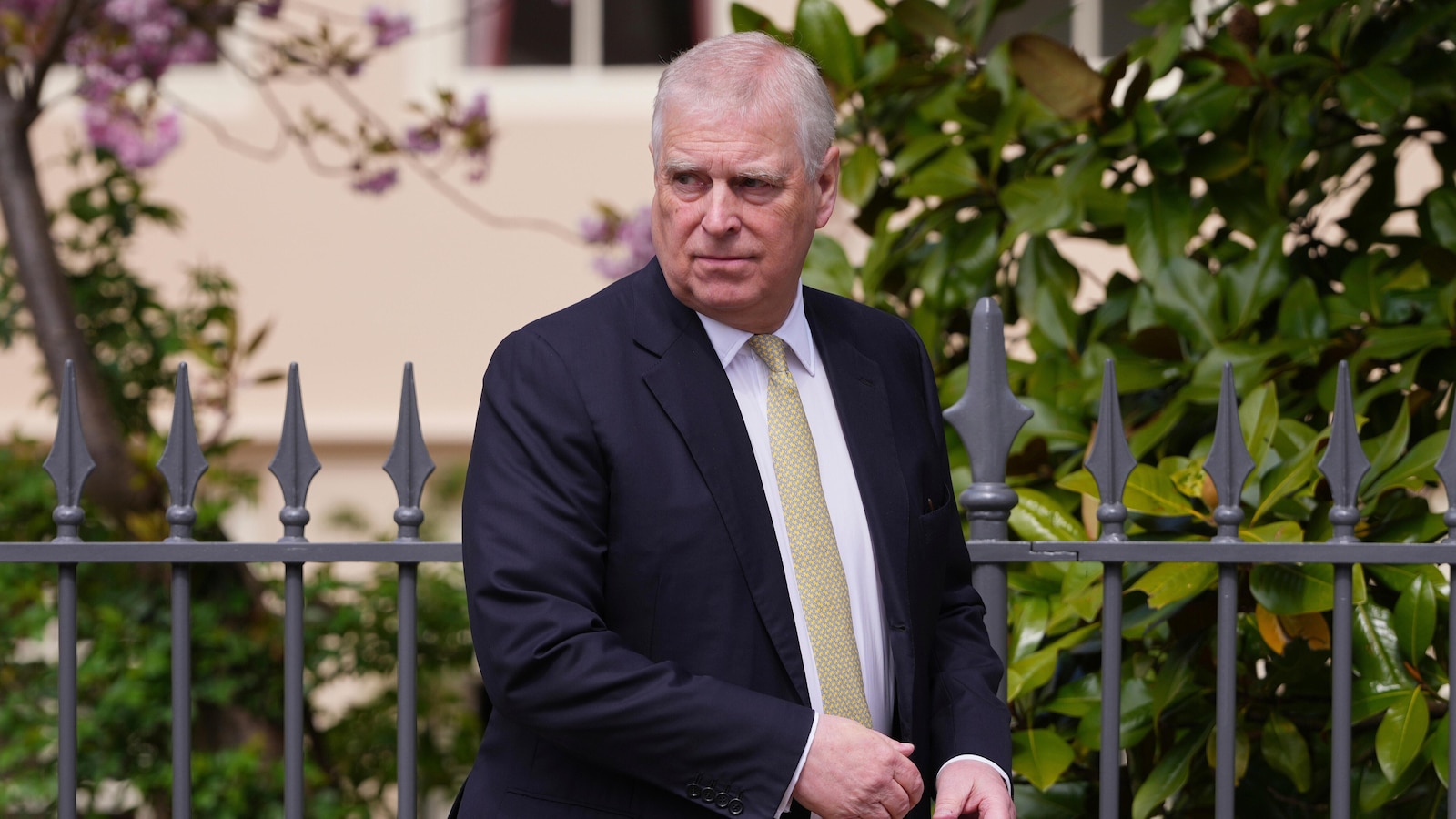
In an unprecedented move that has sent shockwaves through both Canadian and British political circles, Canadian Prime Minister Mark Carney has publicly called for Andrew Mountbatten-Windsor to be removed from the royal line of succession. This remarkable statement, made just hours ago, represents one of the most direct challenges to the British monarchy from a Commonwealth leader in recent memory. Carney didn’t mince words when describing the reasoning behind his position, characterizing Andrew’s actions as “deplorable” and suggesting that his continued place in the line of succession is untenable given the circumstances. This bold declaration raises fundamental questions about the relationship between Canada and the British Crown, the role of the monarchy in modern Commonwealth nations, and whether political leaders should have any say in matters of royal succession. The timing of Carney’s statement is particularly significant, coming at a moment when public opinion about the monarchy is already deeply divided across Commonwealth countries, with younger generations increasingly questioning the relevance of maintaining royal ties in the 21st century.
Understanding the Background and Context
To fully appreciate the significance of Prime Minister Carney’s statement, it’s essential to understand the complex relationship between Canada and the British monarchy. As a Commonwealth realm, Canada recognizes the British monarch as its head of state, represented locally by the Governor General. This constitutional arrangement dates back to Canada’s colonial history and has survived despite the country’s evolution into a fully independent nation. The line of succession to the British throne is therefore directly relevant to Canada’s constitutional framework, as whoever sits on the British throne automatically becomes Canada’s monarch as well. Andrew Mountbatten-Windsor, better known to the public as Prince Andrew, Duke of York, has been a controversial figure in recent years due to his association with convicted sex offender Jeffrey Epstein and allegations of sexual misconduct, which he has denied but which led to a civil lawsuit that was settled out of court. These scandals resulted in Andrew stepping back from royal duties and being stripped of his military titles and royal patronages, effectively removing him from public royal life. However, he remains ninth in line to the throne, a fact that has troubled many observers who believe that someone facing such serious allegations should not maintain any position of potential future authority.
The Political Implications of Carney’s Statement
Prime Minister Carney’s call for Andrew’s removal from the line of succession represents a significant departure from the traditional diplomatic restraint that Commonwealth leaders typically exercise when discussing the royal family. Historically, Canadian prime ministers have maintained a respectful distance from internal royal matters, recognizing that such issues are primarily the concern of the British Parliament and the royal family itself. By breaking this unwritten rule, Carney is taking a considerable political risk, potentially straining the diplomatic relationship between Canada and the United Kingdom while also potentially alienating Canadian citizens who remain loyal to the monarchy and its traditions. However, Carney may have calculated that this bold stance will resonate with a growing segment of the Canadian population that questions the continued relevance of the monarchy in Canadian life. Recent polls have shown declining support for the royal family among Canadians, particularly among younger demographics who see the institution as outdated and inconsistent with Canadian values of equality and meritocracy. By taking this stand, Carney may be positioning himself as a modernizer willing to challenge outdated institutions and stand up for principles of accountability, regardless of someone’s royal status. This move could also be seen as an attempt to assert Canadian sovereignty and independence, sending a message that Canada will not simply accept whatever the British establishment decides when it comes to matters affecting Canada’s constitutional head of state.
The Legal and Constitutional Complexities
The practical implementation of Carney’s demand would be extraordinarily complicated from both a legal and constitutional perspective. The line of succession to the British throne is governed by a combination of common law, statute law, and royal prerogative, with the most recent major change being the Succession to the Crown Act 2013, which ended male primogeniture and removed the disqualification of those who marry Roman Catholics. For Andrew to be removed from the line of succession, it would require legislative action not just in the United Kingdom but potentially in all Commonwealth realms that recognize the British monarch as their head of state. The Statute of Westminster 1931 and subsequent constitutional developments have established that changes to the rules of succession require the consent of all the realms, meaning Canada, Australia, New Zealand, and other Commonwealth nations would need to agree to any such change. This creates a complex situation where Carney’s call, while politically bold, faces significant practical obstacles to implementation. Furthermore, there is no established precedent in modern times for removing someone from the line of succession based on their personal conduct rather than constitutional or religious grounds. Historically, individuals have been removed from succession primarily for marrying Catholics (before the 2013 reform) or for abdicating, but removing someone involuntarily for moral reasons would break new ground and potentially set a precedent that could have far-reaching implications for how the monarchy operates in the future.
Public Reaction and the Broader Debate About Monarchy
The public reaction to Prime Minister Carney’s statement has been predictably divided, reflecting the broader cultural divide over the monarchy’s place in modern Canadian society. Supporters of Carney’s position argue that it’s about time a Canadian leader stood up and said what many citizens have been thinking—that someone credibly accused of serious misconduct should not be in a position to potentially become Canada’s head of state, no matter how unlikely that scenario might be. These supporters view Carney’s statement as a defense of Canadian values and a refusal to grant special treatment to individuals based solely on their royal birth. They argue that in a democratic society founded on principles of equality and justice, maintaining someone in the line of succession despite serious allegations sends entirely the wrong message about accountability and the rule of law. On the other hand, critics of Carney’s statement view it as an inappropriate political interference in matters that should be left to the British Parliament and the royal family to resolve. These critics, many of whom are traditional monarchists, argue that Carney is overstepping his bounds and potentially doing damage to the important constitutional and historical ties that bind Canada to the Commonwealth and the Crown. Some have characterized his statement as grandstanding—a politically motivated attempt to score points with republican-leaning voters without any realistic expectation that his demand will actually be implemented. This controversy has also reignited the perennial Canadian debate about whether the country should sever its ties to the monarchy altogether and become a republic with a Canadian head of state, a discussion that has simmered in Canadian politics for decades but has never achieved sufficient momentum to result in constitutional change.
Looking Forward: What Comes Next?
As the dust settles from Prime Minister Carney’s dramatic statement, attention now turns to how various parties will respond and whether this controversy will lead to any concrete action or merely remain a moment of political theater. The British government and Buckingham Palace will likely maintain a diplomatic silence on the matter, as they typically refuse to comment on political statements from Commonwealth nations regarding the royal family. However, behind the scenes, there may be considerable consternation about a Commonwealth prime minister taking such a public stand against a member of the royal family, even one as controversial as Andrew. Within Canada, this controversy may accelerate discussions about the country’s constitutional future and its relationship with the monarchy, potentially leading to more serious consideration of alternatives to the current system. However, the practical reality is that removing Andrew from the line of succession or making more fundamental changes to Canada’s relationship with the Crown would require constitutional amendments that are notoriously difficult to achieve in Canada’s federal system, requiring substantial agreement between the federal government and the provinces. What Carney’s statement has undoubtedly accomplished, regardless of its practical outcomes, is forcing a conversation about accountability, the relevance of monarchy in modern democracies, and whether inherited privilege should shield individuals from the consequences that ordinary citizens would face for similar conduct. Whether this moment becomes a turning point in Commonwealth relations with the monarchy or simply a footnote in the ongoing evolution of these complex constitutional relationships remains to be seen, but it has certainly ensured that questions about the future of the monarchy in Canada and other Commonwealth realms will continue to be debated vigorously in the months and years ahead.