


White House Brings Banks and Crypto Companies Together to Navigate Stablecoin Regulation
A Landmark Discussion on Digital Asset Policy
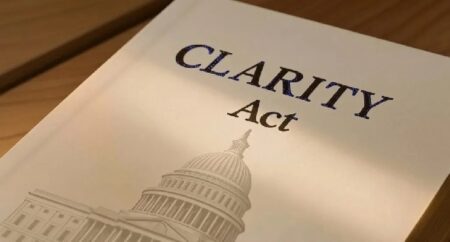
In what marks a significant step toward establishing clear regulatory frameworks for the cryptocurrency industry, the White House hosted a crucial meeting on February 2nd that brought together major players from both traditional banking and the digital asset sector. The gathering focused on addressing one of the most contentious issues currently facing lawmakers: how to regulate stablecoin yields and rewards. With representatives from Coinbase, Circle, Ripple, Crypto.com, and other prominent cryptocurrency companies sitting across the table from traditional banking executives, the meeting represented a rare opportunity for these often-opposing forces to find common ground on the CLARITY Act, a comprehensive bill designed to bring order to the rapidly evolving cryptocurrency market. Patrick Witt from the President’s Digital Assets Advisory Council led the discussion, signaling the administration’s serious commitment to resolving these regulatory challenges and moving forward with clearer rules for the industry.
Understanding the Stakes: What Stablecoin Yields Really Mean
At the heart of the debate lies a fundamental question about how cryptocurrency platforms should be allowed to reward users who hold stablecoins—digital currencies designed to maintain a stable value, typically pegged to traditional currencies like the U.S. dollar. Many cryptocurrency platforms currently offer attractive returns to users who deposit their stablecoins, similar to how traditional banks pay interest on savings accounts. However, the mechanisms behind these rewards and their potential impact on the broader financial system have become major sticking points in regulatory discussions. For cryptocurrency companies, the ability to offer competitive yields represents a core feature of their business model and a key advantage over traditional banking products. These platforms argue that limiting their ability to provide returns would handicap their competitiveness and essentially give traditional banks an unfair advantage in the digital asset space. Meanwhile, banking institutions have expressed serious concerns that allowing cryptocurrency platforms to offer higher yields could trigger massive outflows from traditional bank deposits, potentially destabilizing the financial system that has underpinned the American economy for generations.
The Banking Sector’s Cautious Approach Raises Concerns
According to reports from CoinDesk and sources present at the White House meeting, the banking industry’s representatives arrived without any compromise proposals ready to present. This rigid stance reportedly frustrated participants from the cryptocurrency sector, who came prepared to negotiate and find middle ground on the stablecoin yield issue. Sources indicated that the banking representatives appeared unable or unwilling to make independent decisions during the meeting, suggesting they would need to seek approval from their member institutions before agreeing to any concessions or alternative frameworks. This cautious approach reflects the traditional banking sector’s understandable anxiety about the rapid rise of cryptocurrency platforms that increasingly compete for the same customer deposits that banks have relied upon for decades. However, the apparent inflexibility also raises questions about whether productive negotiations can proceed if one side remains unable to engage in the give-and-take necessary for reaching legislative compromises. The White House’s reported instruction for both industries to make tangible progress and reach agreements by the end of February adds time pressure to these already complicated discussions.
Why This Deadlock Matters for Legislation and Consumers
The disagreement over stablecoin yields represents more than just a technical regulatory detail—it’s emerged as the primary roadblock preventing the CLARITY Act from advancing through Congress and becoming law. The bill has already passed the House of Representatives and received approval from the Senate Agriculture Committee, demonstrating broad bipartisan support for establishing clearer rules governing the cryptocurrency market. However, discussions ground to a halt before the legislation could come up for a vote in the Senate Banking Committee, precisely because of this unresolved conflict over how stablecoin rewards should be handled. The stakes are high for everyday consumers and investors who currently navigate a confusing patchwork of state-level regulations and federal enforcement actions rather than clear, uniform rules. Without resolved legislation, the cryptocurrency industry continues operating in a gray area where companies struggle to understand which activities are permissible and which might trigger regulatory enforcement. Traditional banks, meanwhile, remain uncertain about how aggressively they can or should develop their own digital asset offerings, potentially leaving American financial institutions behind their international competitors.
The Cryptocurrency Industry’s Perspective on Fair Competition
From the viewpoint of cryptocurrency companies and their advocates, the banking sector’s resistance to third-party stablecoin yields looks suspiciously like an attempt to use regulation to stifle competition rather than protect consumers or ensure financial stability. Representatives from companies like Coinbase, Circle, and Ripple argue that prohibiting third-party platforms from offering rewards on stablecoins amounts to excessive regulation that would artificially advantage established banking institutions. The cryptocurrency sector contends that their platforms have developed innovative approaches to generating yields through decentralized finance mechanisms, smart contracts, and other technologies that simply work differently than traditional banking products—and shouldn’t be judged by the same standards. These companies point out that consumers should have the freedom to choose where they hold their digital assets based on the best combination of security, convenience, and returns, rather than being forced toward traditional banks through regulatory constraints. Furthermore, cryptocurrency advocates argue that the United States risks falling behind other countries that are establishing more crypto-friendly regulatory frameworks, potentially driving innovation and investment overseas while American companies struggle with outdated rules designed for a pre-digital financial era.
Looking Forward: Finding Common Ground in a Divided Landscape
Despite the apparent lack of breakthrough at this particular meeting, Cody Carbone, head of the Digital Chamber, offered a surprisingly optimistic assessment, describing the gathering as “exactly the kind of progress needed to address one of the biggest issues hindering the next steps in market structure legislation.” This perspective suggests that simply getting representatives from both sectors in the same room to directly address their disagreements represents meaningful advancement, even if immediate consensus remains elusive. The White House’s active convening role demonstrates the current administration’s recognition that the cryptocurrency industry has grown too large and too important to the economy to continue operating without clear regulatory guardrails. With the February deadline for progress now looming, both industries face pressure to move beyond entrenched positions and find creative compromises that address legitimate concerns from both sides. Whether that means tiered reward systems, enhanced disclosure requirements, reserve requirements for platforms offering yields, or other innovative solutions remains to be seen. What seems certain is that the future of American cryptocurrency regulation will be shaped not just by technological innovation or market forces, but by the willingness of traditional finance and digital asset companies to find workable compromises that serve consumers, protect financial stability, and allow innovation to flourish. The coming weeks will reveal whether the banking and cryptocurrency sectors can bridge their differences or whether this regulatory standoff will continue paralyzing progress on comprehensive digital asset legislation.