
Why Are Oil Prices Still Rising? Understanding the Forces Behind the Pump
The Complex Web of Global Oil Markets
If you’ve filled up your gas tank recently, you’ve probably noticed that oil prices seem to be on a never-ending upward trajectory. It’s a frustrating reality that impacts everything from your daily commute to the cost of groceries on store shelves. But understanding why oil prices keep climbing isn’t as simple as pointing to one single culprit. The truth is, the global oil market operates as an incredibly complex system where dozens of factors interact simultaneously, creating a perfect storm that keeps pushing prices higher. From geopolitical tensions halfway around the world to decisions made in boardrooms of major oil companies, from weather patterns affecting refineries to the simple mathematics of supply and demand, oil prices reflect a delicate balance that seems perpetually tipped toward increase rather than relief.
At its core, the oil market operates on the fundamental economic principle of supply and demand, but in the modern globalized world, this simple concept has become extraordinarily complicated. Oil isn’t just another commodity—it’s the lifeblood of modern civilization, powering transportation, heating homes, generating electricity, and serving as a critical input for countless manufactured products from plastics to pharmaceuticals. When supply tightens even slightly or demand increases marginally, prices respond dramatically because there’s relatively little flexibility in the short term. People still need to drive to work, trucks still need to deliver goods, and planes still need to fly, regardless of what oil costs. This inelastic demand means that even small disruptions can send shockwaves through prices at the pump.
Geopolitical Tensions and Production Decisions
One of the most significant factors keeping oil prices elevated involves the geopolitical landscape and the production decisions made by major oil-producing nations. The Organization of the Petroleum Exporting Countries (OPEC), along with allied producers like Russia in what’s known as OPEC+, wields enormous influence over global oil supplies. These nations collectively control a substantial portion of the world’s oil production capacity, and their decisions about how much oil to pump directly impact global prices. In recent years, OPEC+ has been remarkably disciplined in maintaining production cuts, deliberately keeping supply constrained to support higher prices. This isn’t villainy—it’s economics from their perspective. These nations depend heavily on oil revenues to fund their governments and economies, and they’ve learned from past mistakes when oversupply crashed prices and devastated their budgets.
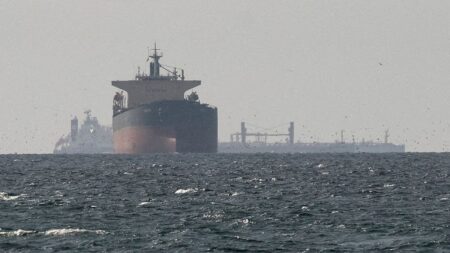
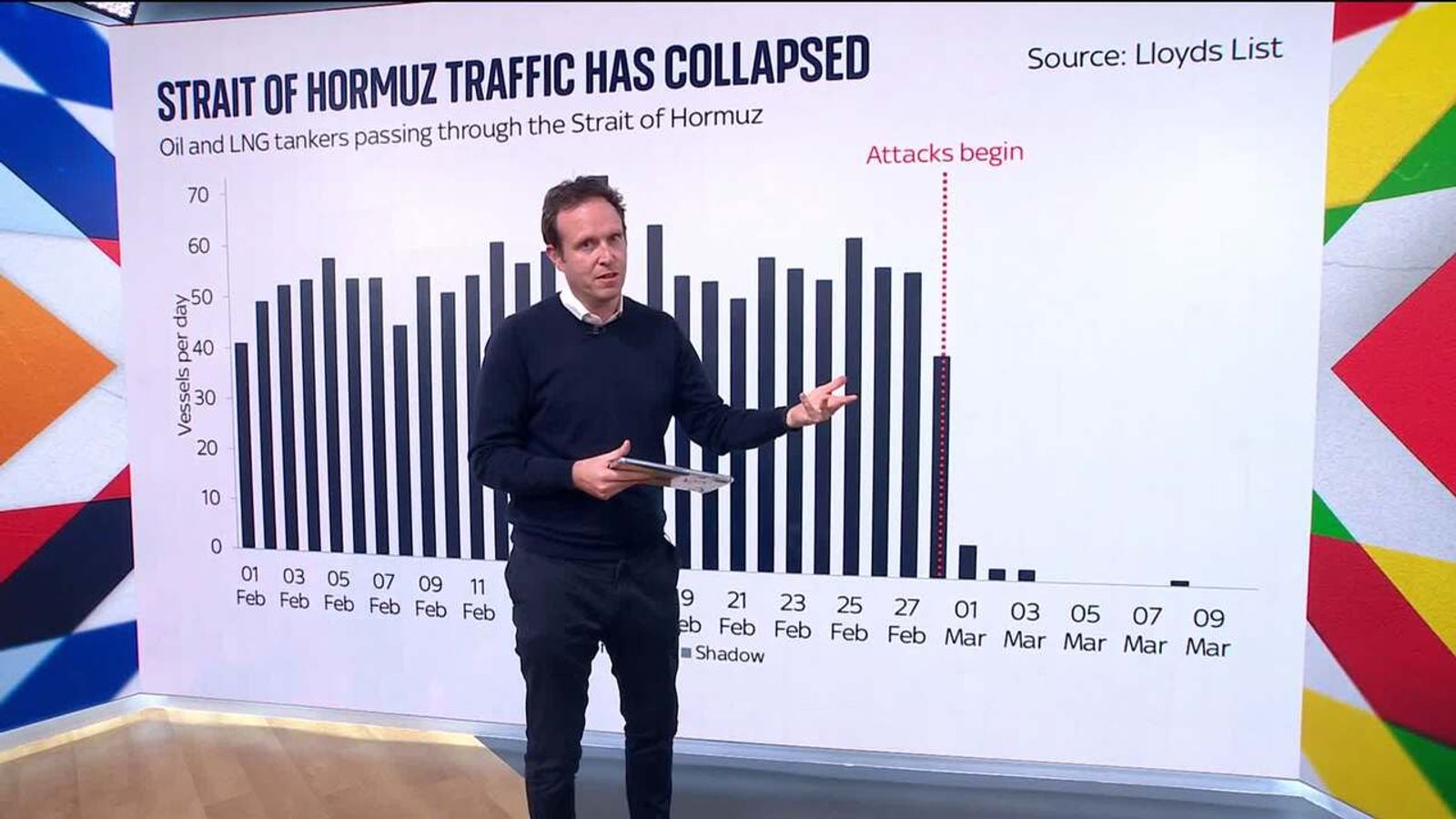
Beyond OPEC’s strategic production management, ongoing geopolitical conflicts and tensions continue to create uncertainty and risk premiums in oil markets. Conflicts in oil-rich regions, tensions between major powers, and the potential for supply disruptions all contribute to higher prices. When traders and market participants perceive increased risk to oil supplies—whether from potential military conflicts, political instability in producing nations, or threats to critical shipping routes like the Strait of Hormuz—they bid prices higher to account for that risk. Russia’s role as a major oil producer has become particularly complicated following international sanctions and the resulting reshuffling of global oil trade patterns. Even when physical supplies haven’t actually been disrupted, the fear and uncertainty alone can add dollars to every barrel of oil traded on global markets.
The Underinvestment Problem and Long-Term Supply Concerns
Another crucial factor driving oil prices upward is a phenomenon that’s been building for years: chronic underinvestment in oil production capacity. For much of the past decade, oil companies faced enormous pressure from multiple directions. First came the oil price crash of 2014-2016, which devastated industry finances and led to widespread cost-cutting. Then came the COVID-19 pandemic, which saw oil demand collapse so dramatically that prices briefly turned negative—a surreal moment when producers literally had to pay people to take oil off their hands because storage was full. These traumatic experiences made oil companies extremely cautious about investing in new production.
Simultaneously, the growing focus on climate change and the transition to renewable energy created additional hesitancy about long-term oil investments. Investors and shareholders increasingly pressured oil companies to return cash to shareholders rather than pour money into new oil fields that might become stranded assets if the world successfully transitions away from fossil fuels. Environmental, social, and governance (ESG) investing criteria made it harder for oil projects to attract financing. The result of all these pressures is that oil companies have been producing oil from existing wells while being extremely selective about developing new production capacity. This underinvestment means that as existing oil fields naturally decline in productivity over time, there aren’t enough new projects coming online to replace that lost capacity.
The problem is particularly acute with traditional oil exploration and development, which requires enormous upfront investments and many years to bring new production online. Oil companies became leaner and more efficient, but they also became more conservative. Even with today’s high prices providing strong incentives to increase production, it’s not something that can happen overnight. Drilling new wells, building infrastructure, and ramping up production takes time—often years. Meanwhile, global demand has rebounded strongly from the pandemic lows, creating a supply-demand imbalance that supports higher prices. The industry finds itself in a difficult position: invest heavily in new fossil fuel production that might not be needed in a decarbonized future, or maintain discipline and accept that constrained supply means higher prices.
The Refining Bottleneck and Infrastructure Constraints
While much attention focuses on crude oil production, there’s another critical chokepoint that keeps prices high: refining capacity. It’s not enough to have crude oil coming out of the ground; that oil must be refined into useful products like gasoline, diesel, and jet fuel. Globally, refining capacity has become increasingly tight, creating bottlenecks that translate directly into higher prices at the pump. The pandemic accelerated the closure of older, less efficient refineries, particularly in developed countries where environmental regulations and operational costs made them economically marginal. Once a refinery closes, it rarely reopens—these are enormously complex industrial facilities, and shuttering one is usually permanent.
The lack of new refining capacity reflects similar dynamics to the underinvestment in oil production: building a new refinery is extraordinarily expensive, faces significant environmental opposition, takes many years, and represents a risky bet on long-term fossil fuel demand. The result is that the world is trying to meet rebounding demand with less refining capacity than existed before the pandemic. This constraint is particularly noticeable in certain products and regions. For example, diesel shortages have been especially acute, affecting everything from trucking costs to agricultural equipment operation. When refineries run at maximum capacity with no spare margin, any disruption—whether from maintenance issues, extreme weather, or unexpected outages—immediately impacts supply and spikes prices.
Infrastructure limitations extend beyond refineries to pipelines, storage facilities, and shipping capacity. Oil is a physical commodity that must be moved from where it’s produced to where it’s needed, and the infrastructure to do that has its own constraints. Pipeline capacity limits how much oil can flow from certain producing regions. Storage facilities can become full, creating logistical nightmares. The specialized ships that transport oil and refined products are limited in number. All these infrastructure constraints create friction in the system, and that friction manifests as higher prices. The global nature of oil markets means that regional infrastructure problems can have worldwide price impacts as markets adjust to route supplies around bottlenecks.
Economic Recovery, Demand Resurgence, and Inflation Dynamics
The demand side of the equation is equally important in understanding rising oil prices. Following the pandemic’s devastating impact on economic activity, the world has experienced a strong recovery in oil demand as economies reopened and activity normalized. People returned to offices, international travel resumed, factories ramped up production, and global trade rebounded. This demand recovery happened relatively quickly, while supply-side adjustments take much longer, creating the imbalance that drives prices higher. Emerging economies, particularly in Asia, have been especially important drivers of demand growth as their middle classes expand and energy consumption rises.
The broader inflationary environment has also played a role in oil price dynamics, creating something of a vicious cycle. Higher oil prices contribute to general inflation because energy costs feed into virtually every other price in the economy—it costs more to transport goods, to manufacture products, to heat and cool buildings, and to power equipment. But inflation also feeds back into oil prices because the costs of producing oil increase as well. Everything from steel for drilling equipment to wages for workers to services required for oil operations becomes more expensive in an inflationary environment. Oil companies face higher costs, which they pass along through higher prices. Additionally, when inflation is high, commodities like oil often become attractive as inflation hedges, attracting investment flows that can push prices higher independent of immediate supply and demand fundamentals.
Currency dynamics, particularly the strength of the U.S. dollar in which oil is primarily priced, also matter significantly. When the dollar strengthens against other currencies, oil becomes more expensive for buyers using those other currencies, which can affect demand patterns and create pressure on prices. Conversely, dollar weakness can stimulate demand by making oil cheaper in other currencies. Central bank policies, interest rates, and global economic growth expectations all influence both the demand for oil and the financial flows into commodity markets. It’s a reminder that oil prices don’t exist in isolation but are deeply interconnected with the broader global economy and financial system.
Looking Ahead: Will Relief Come Anytime Soon?
So what does all this mean for the future? Unfortunately for consumers hoping for relief, many of the factors pushing oil prices higher aren’t likely to resolve quickly. Geopolitical tensions rarely dissipate overnight, and OPEC+ has shown it’s willing to maintain production discipline even when facing criticism from consuming nations. The underinvestment in production capacity and refining infrastructure represents structural issues that will take years to address, and the uncertainty around long-term oil demand in a decarbonizing world makes companies hesitant to commit the massive investments needed. Even if oil companies decided tomorrow to dramatically increase investment, the lag time before new production comes online means current supply constraints would persist.
There are potential sources of relief on the horizon, however. Economic slowdowns or recessions reduce oil demand, which could ease prices, though obviously that’s not the kind of relief anyone hopes for. Technological improvements and the increasing adoption of electric vehicles will gradually reduce oil demand, though this transition is happening more slowly than many anticipated. Efficiency improvements across the economy mean we use oil more productively than in the past. Strategic petroleum reserve releases can provide temporary relief, though these are ultimately limited by the amount of oil in storage. Prices high enough for long enough will eventually incentivize the investment in new supply needed to rebalance markets, though this process is gradual.
The reality is that we’re living through a transitional period in energy markets—moving away from fossil fuels but not yet having fully scaled the alternatives, creating tensions and imbalances that manifest as price volatility and generally elevated costs. For consumers and businesses, this means the era of cheap, abundant oil may be behind us, at least for the foreseeable future. Understanding the complex factors behind rising oil prices doesn’t make filling the tank any cheaper, but it does help explain why those prices remain stubbornly high despite frustration and political pressure. The oil market is ultimately a massive, global system that responds to fundamental forces that no single country or company can easily control, and until those fundamental forces shift, higher prices are likely to remain an uncomfortable reality.