


Tiger Woods DUI Arrest: Body Camera Footage Reveals Details of Florida Incident
The Arrest That Shocked the Golf World
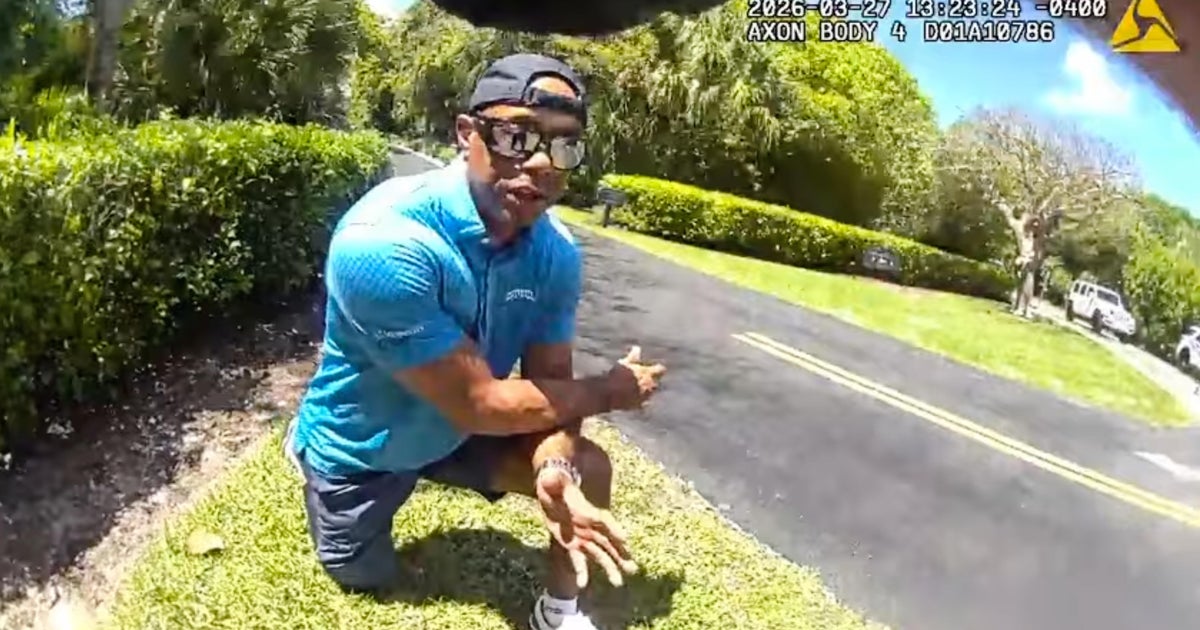
The release of body camera footage showing Tiger Woods’ arrest has sent shockwaves through the sports community and beyond. The video, made public by the Martin County Sheriff’s Office less than a week after the incident, captures the legendary golfer being handcuffed following a car crash on Jupiter Island, Florida. The footage provides a sobering look at one of golf’s greatest icons in a vulnerable moment, as he struggled through field sobriety tests and interacted with law enforcement officers. The 50-year-old athlete, whose career has been marked by both extraordinary triumphs and personal challenges, now faces driving under the influence charges stemming from the March 27 collision. What the video reveals is not just another celebrity arrest, but a complex situation involving prescription medications, physical limitations from numerous surgeries, and a momentary lapse in attention that could have resulted in serious consequences.
What the Body Camera Revealed
The body camera footage paints a detailed picture of what transpired during and immediately after the crash. According to the video, Woods explained to deputies that he had been looking at his phone while driving when he suddenly collided with the vehicle ahead of him. “I looked down at my phone and all of a sudden, boom,” Woods told the officers in his own words. Fortunately, despite the severity of the accident that left his Land Rover flipped on its side, no one sustained injuries. The crash occurred when Woods failed to notice that a pickup truck towing a trailer in front of him had slowed down to turn into a driveway. His SUV crossed over the double center lines and struck the trailer, causing his vehicle to roll over onto its side. The impact was significant enough that Woods had to exit through the passenger side door of his disabled vehicle, a dramatic detail that underscores how serious the collision could have been.
Physical Condition and Sobriety Testing
When deputies arrived at the scene, they immediately noticed concerning signs about Woods’ physical condition. The arrest report and video footage both document that the golf legend was “sweating profusely” and had glassy, bloodshot eyes—symptoms he initially tried to hide behind sunglasses. As Woods underwent field sobriety tests designed to evaluate his coordination and ability to follow instructions, his physical limitations became apparent. He informed officers about his extensive medical history, explaining that he had undergone seven back surgeries and more than twenty operations on his right leg, complications that caused his ankle to seize when walking. Throughout his interactions with law enforcement at the scene, Woods appeared alert mentally, but his movements were noticeably “lethargic and slow,” according to the deputies’ observations. While he cooperated with the field sobriety tests, he was unable to complete all the tasks correctly, which contributed to the officers’ decision to take him into custody. The footage shows a man clearly struggling not just with the aftermath of the accident, but with significant physical challenges that have accumulated over his decades-long athletic career.
The Medication Factor
A crucial element revealed in both the body camera footage and the arrest report concerns prescription medications. Woods explicitly told deputies that he had not consumed any alcohol that day but admitted to taking “a few” prescription medications. While the specific names of some medications were redacted from the public arrest report, the video captured a moment when deputies discovered two pills in Woods’ pants pocket. Woods identified one of them as Norco, a brand name for a painkiller containing hydrocodone and acetaminophen. The pills were later confirmed to be hydrocodone, a powerful opioid pain medication commonly prescribed for severe pain management. This revelation is particularly significant given Woods’ well-documented history of back problems and the extensive surgeries he mentioned to officers. The video shows portions of Woods’ conversation about his medications with the audio muted, presumably to protect medical privacy. Later, at the Martin County Jail, Woods cooperated with a breathalyzer test, which confirmed the absence of alcohol in his system, supporting his statement that he hadn’t been drinking. However, he refused to submit to a urine test, which could have detected other substances and their levels in his body. This refusal has resulted in additional charges beyond the DUI.
Legal Proceedings and Immediate Response
Following his arrest, Woods was transported to the Martin County Jail without incident, where the booking process included the breath test that showed no alcohol consumption. His refusal to take the urine test, however, added another layer of legal complexity to his situation, resulting in additional charges that he now must address in court. Court documents filed just days after the arrest show that Woods, through his attorneys, has entered a not guilty plea to all charges and waived his right to an arraignment hearing. This legal strategy is common in high-profile cases and allows the defense team to begin working on the case without the public spectacle of an arraignment. Woods’ legal team is likely examining all aspects of the incident, from the validity of the traffic stop to the administration of the field sobriety tests, considering his documented physical limitations that might have affected his performance on those tests regardless of impairment.
The Road Ahead: Treatment and Recovery
In the aftermath of this incident, Tiger Woods released a statement on social media announcing his intention to “step away for a period of time to seek treatment.” This announcement demonstrates a level of self-awareness and willingness to address whatever issues may have contributed to the accident. For someone of Woods’ stature and public profile, this admission represents a significant moment of vulnerability and responsibility. The nature of the treatment Woods is seeking hasn’t been specified, but given the circumstances involving prescription pain medications and his extensive surgical history, it’s reasonable to assume he may be addressing pain management strategies, medication use, or both. This isn’t the first time Woods has faced personal challenges that required stepping away from the spotlight—his career has been marked by both incredible comebacks and difficult periods of struggle. The golf community and his fans worldwide now watch and wait to see how this latest chapter unfolds. The incident serves as a reminder that even the most accomplished individuals can face serious challenges, particularly when dealing with chronic pain, multiple surgeries, and the physical demands that years of professional athletics place on the body. As Woods takes time away to focus on treatment, the legal process will continue, and he’ll need to address both the immediate criminal charges and the underlying issues that may have contributed to that moment when he looked down at his phone and everything changed in an instant.