
Bodycam Footage Released in Brighton Park Border Patrol Shooting Case
Court Orders Public Release of Controversial Videos
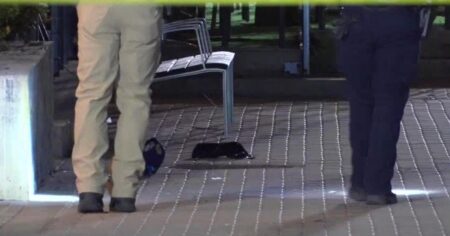
After months of legal wrangling and public demand for transparency, bodycam footage capturing the moments surrounding a controversial shooting in Chicago’s Brighton Park neighborhood has finally been made available to the public. A judge’s ruling on Tuesday evening allowed the release of three separate videos, each running between 15 and 20 minutes, documenting the October 4th incident that left Marimar Martinez seriously wounded after being shot by Border Patrol Agent Charles Exum. The release of this footage comes at a crucial time, nearly two months after federal prosecutors made the surprising decision to drop all assault charges that had been filed against Martinez. The videos provide a clearer picture of what transpired that autumn day, largely corroborating the account that Martinez’s legal team has maintained from the beginning of this troubling case.
What the Bodycam Footage Reveals
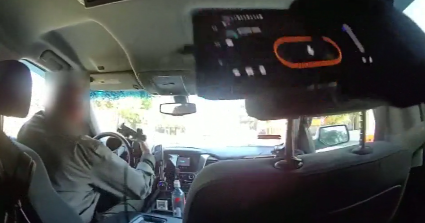
The newly released bodycam footage paints a detailed picture of the chaotic scene before and after the shooting occurred. In one particularly significant video, Border Patrol agents can be heard communicating with each other inside their vehicle, with one stating “we are boxed in” just moments before their vehicle collided with another car. Following this collision, Agent Charles Exum is shown exiting his vehicle, and then five distinct gunshots can be heard ringing out. However, the actual moment of the shooting itself was not captured on the released footage. What the video does show is a black GMC Envoy reversing after the shots were fired, striking another vehicle in the process before quickly leaving the scene. The footage also includes images of both the agent’s vehicle and text message exchanges sent by Exum following the incident, which have raised serious questions about the professionalism and judgment of the agent involved in the shooting.
Disturbing Text Messages Raise Questions About Agent Conduct
Perhaps most troubling among the released materials are text messages exchanged by Agent Exum shortly after the shooting, which display what many would consider an inappropriately cavalier attitude toward a serious use of deadly force. In one exchange, Exum sent a message reading, “put that one in your book buddy,” which received the response, “good shootin, lol.” Exum replied with “gracias senior,” complete with the misspelling. These messages were accompanied by photographs showing damage to both the agent’s vehicle and the GMC Envoy involved in the collision. Most chilling among these images was a photograph of Martinez’s vehicle showing a bullet hole clearly visible in the windshield—stark evidence of the life-threatening encounter. The tone of these text messages has sparked outrage among community members and advocates who question whether the use of deadly force was treated with appropriate seriousness by the agent involved.
The Aftermath: Martinez Shot Five Times, Charges Dropped
Marimar Martinez suffered devastating injuries in the October incident, being struck by gunfire five times. The Department of Homeland Security initially painted Martinez as the aggressor in the situation, claiming that she had chased Border Patrol agents and deliberately rammed her vehicle into an agent’s car during what they described as an immigration protest near the intersection of Pershing Road and Kedzie Avenue. Based on these allegations, federal prosecutors filed assault charges against Martinez, adding legal jeopardy to her physical injuries. However, the case took a dramatic turn when, nearly two months after the shooting, federal prosecutors made the decision to drop all charges against her. Even more significantly, a judge dismissed the charges with prejudice, a legal designation that carries important implications—it means the government is permanently barred from filing these same charges against Martinez again. This outcome represents a complete reversal from the initial narrative presented by federal authorities and suggests that the evidence did not support the government’s version of events.
Legal Action on the Horizon
With criminal charges no longer hanging over her, Martinez and her legal team are now pivoting from defense to offense. Her attorneys have announced plans to reveal details of a civil lawsuit at a press conference scheduled for Wednesday morning at 11:30 a.m. While the specific details of the lawsuit have not yet been made public, civil rights attorneys familiar with similar cases suggest that the suit will likely allege excessive use of force, violation of civil rights, and possibly seek damages for Martinez’s physical injuries, emotional trauma, and the ordeal of facing unfounded criminal charges. The bodycam footage and text messages released on Tuesday will almost certainly play a central role in this civil litigation, potentially serving as powerful evidence that the shooting was unjustified and that Agent Exum displayed a troubling lack of professionalism and respect for the gravity of using deadly force. The case also raises broader questions about Border Patrol operations in urban areas far from the actual border and the accountability mechanisms in place when federal agents use force against civilians.
Community Impact and Calls for Accountability
This case has resonated deeply within Chicago’s Brighton Park community and among immigrant rights advocates across the country. The incident occurred during what has been characterized as an immigration protest, highlighting tensions between federal immigration enforcement agencies and the communities they operate within. The fact that Border Patrol agents were involved in a shooting in a Chicago neighborhood—hundreds of miles from the nearest international border—has prompted questions about the scope and appropriateness of Border Patrol operations in interior cities. Community members have organized in support of Martinez, demanding accountability and transparency from federal authorities. The release of the bodycam footage represents a partial victory for those calling for transparency, but many argue that true accountability requires more than just access to videos. They point to the text messages as evidence of a culture within some law enforcement circles that treats the use of deadly force too lightly, and they are calling for disciplinary action against Agent Exum and reforms to prevent similar incidents in the future. As Martinez prepares to file her civil lawsuit, her case has become emblematic of larger debates about police accountability, the militarization of immigration enforcement, and the rights of individuals—particularly those in immigrant communities—to seek justice when they believe those rights have been violated by federal agents. The outcome of this case may have implications that extend far beyond one woman’s experience on an October day in Brighton Park.