


The Return of Roaring Kitty: When Social Media Moves Markets
A Legendary Figure Re-emerges from Silence
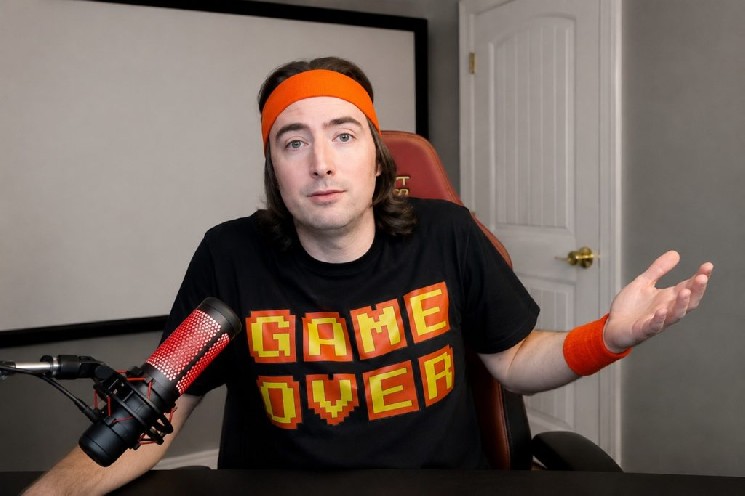
Keith Gill isn’t just another investor with a social media account—he’s a cultural phenomenon who fundamentally changed how we think about retail investing and the power of online communities. Known affectionately as “Roaring Kitty” on YouTube and by the colorful moniker “DeepF***ingValue” on Reddit, Gill became a folk hero during the extraordinary GameStop saga of 2021. His story represents something bigger than just making money in the stock market; it symbolizes the democratization of finance and the ability of everyday investors to challenge Wall Street’s traditional power structures. When this man speaks—or even hints at speaking—markets listen, react, and sometimes go absolutely wild.
After maintaining radio silence for approximately 16 months, Gill’s X (formerly Twitter) account suddenly sprang back to life, sending shockwaves through both traditional stock markets and the cryptocurrency world. The post in question shared a contract address for a Solana-based token on PumpFun, a platform known for launching meme coins and speculative cryptocurrency projects. However, the excitement and confusion were short-lived as the post disappeared almost as quickly as it had appeared, leaving investors, followers, and market watchers scratching their heads and wondering what had just happened. Was this really the legendary Roaring Kitty making a cryptic announcement, or had something more sinister occurred?
Security Breach or Intentional Mystery?
The internet detective work began immediately after the suspicious post appeared and vanished. Social media platforms erupted with speculation, theories, and concerns about whether Keith Gill’s account had been compromised by hackers. This wouldn’t be unprecedented—high-profile social media accounts, especially those belonging to figures with massive followings and market-moving influence, are frequent targets for cybercriminals. The pattern of behavior seemed off: a lengthy silence followed by a single, out-of-character post promoting a cryptocurrency token, then rapid deletion. These are classic hallmarks of a compromised account being used to pump a dubious asset before the legitimate owner regains control.
The skepticism from Gill’s followers and the broader investing community was well-founded. In the cryptocurrency world, scams involving hacked accounts are unfortunately common. Bad actors gain access to influential accounts, post about little-known tokens to create artificial hype and trading volume, then sell their holdings at inflated prices before anyone realizes what’s happened—a practice known as a “pump and dump” scheme. Given that PumpFun tokens are relatively obscure compared to major cryptocurrencies, and considering the platform’s association with highly speculative meme coins, many observers found it unlikely that the real Keith Gill would suddenly emerge from hibernation to promote such an asset without context or explanation.
Market Chaos and the Power of Influence
The market’s reaction to this brief, mysterious post demonstrated just how much influence Keith Gill still wields over investor sentiment. GameStop shares, which have remained a favorite among retail investors since the 2021 short squeeze, experienced dramatic volatility in the hours following the social media activity. Initially, shares climbed as much as 13% as traders interpreted any activity from Gill’s account as a bullish signal for GameStop and related “meme stocks.” The logic was simple: if Roaring Kitty was back, perhaps another epic short squeeze was on the horizon.
However, as confusion spread and allegations of account hacking gained traction, the mood shifted dramatically. Those impressive gains evaporated as quickly as they had materialized, with GameStop shares not only giving back their increases but actually falling into negative territory. The swing from enthusiastic buying to panicked selling illustrated the double-edged sword of social media influence in modern markets. Words and actions from certain individuals can move billions of dollars in market capitalization within hours, but uncertainty or perceived fraud can trigger equally dramatic reversals. Long-term GameStop shareholders found themselves on an emotional rollercoaster, watching their portfolios swing wildly based on a single, since-deleted social media post.
The cryptocurrency mentioned in the post didn’t fare any better. As accusations of a “rug pull”—cryptocurrency slang for when developers or promoters abandon a project after taking investors’ money—began circulating on social media platforms, panic intensified. Investors who had rushed to buy the token immediately after seeing it associated with Gill’s account now feared they’d been victims of an elaborate scam. This incident served as a stark reminder of the risks inherent in making investment decisions based solely on social media posts, even when those posts appear to come from trusted figures. The speed at which information (and misinformation) travels in the digital age means fortunes can be made or lost in the time it takes to refresh a browser.
The Legend of Roaring Kitty and the GameStop Revolution
To understand why a single post from Keith Gill can cause such market upheaval, we need to revisit his remarkable story and the GameStop short squeeze that made him famous. Gill wasn’t a Wall Street insider or a billionaire hedge fund manager—he was a financial analyst and a retail investor who shared his investment research and strategies on Reddit’s WallStreetBets forum. His detailed analysis of GameStop, a struggling video game retailer that many professional investors had bet against, caught the attention of millions of everyday investors who saw an opportunity not just for profit, but to challenge the financial establishment.
In January 2021, what started as an investment thesis transformed into a full-blown financial revolution. Retail investors, coordinating largely through social media platforms, bought GameStop shares en masse, driving the price from around $20 to an astonishing peak of nearly $500. This massive price increase forced hedge funds that had short-sold the stock—betting it would decline—to buy shares to cover their positions, creating a “short squeeze” that amplified the price surge even further. Gill became the face of this movement, testifying before Congress and inspiring a new generation of investors to take an active interest in the stock market. His famous phrase “I like the stock” became a rallying cry for retail investors everywhere.
The GameStop saga represented something profound in the evolution of finance: the realization that coordinated retail investors, armed with information and trading apps, could genuinely challenge institutional investors. Gill’s approach combined serious financial analysis with genuine enthusiasm and a willingness to share his research freely with an online community. He posted regular updates about his positions, including screenshots showing he maintained his GameStop holdings even as critics dismissed the rally as irrational exuberance. This transparency and conviction earned him legendary status among retail investors who saw him as one of their own—someone who proved that careful research and conviction could pay off spectacularly, even when the “smart money” disagreed.
The Ongoing Impact and Future Implications
Keith Gill’s influence didn’t end with the 2021 short squeeze. His return to social media in 2024, even before this latest controversial incident, demonstrated that his ability to move markets remained intact. When he posted for the first time after a long absence earlier in 2024, GameStop shares skyrocketed more than 70% in a single trading day. The response wasn’t limited to traditional stocks either—cryptocurrency tokens themed around GameStop or meme investing culture also experienced significant price swings. This pattern has established Gill as one of the rare individuals whose social media presence alone constitutes a market-moving event.
This latest incident, regardless of whether it resulted from hacking or some other explanation, raises important questions about the intersection of social media, investing, and market manipulation in our increasingly digital financial world. Regulators have struggled to keep pace with the speed and nature of social media-driven trading, and situations like this highlight the challenges. If a hacker can cause billions in market value to swing simply by accessing an influential account, what does that say about market stability? Conversely, if individuals with large followings can move markets with brief posts, how should that influence be regulated without infringing on free speech?
For everyday investors, this episode serves as both inspiration and cautionary tale. The GameStop story showed that retail investors can band together and challenge conventional Wall Street wisdom, democratizing access to information and opportunities that were once the exclusive domain of professionals. However, the volatility surrounding anything connected to Keith Gill also demonstrates the risks of investing based on social media hype rather than fundamental analysis. The investors who rushed to buy the mysterious PumpFun token or GameStop shares based solely on a quickly-deleted post likely learned an expensive lesson about due diligence and the dangers of FOMO (fear of missing out) in investing. As we move forward in an era where social media and finance are increasingly intertwined, the legend of Roaring Kitty will continue to remind us of both the potential and the perils of this new landscape—where a single post can change fortunes, for better or worse, in the blink of an eye.