


Supreme Court Extends Temporary Order on Abortion Pill Access: What It Means for Americans
The Current Situation with Mifepristone Access
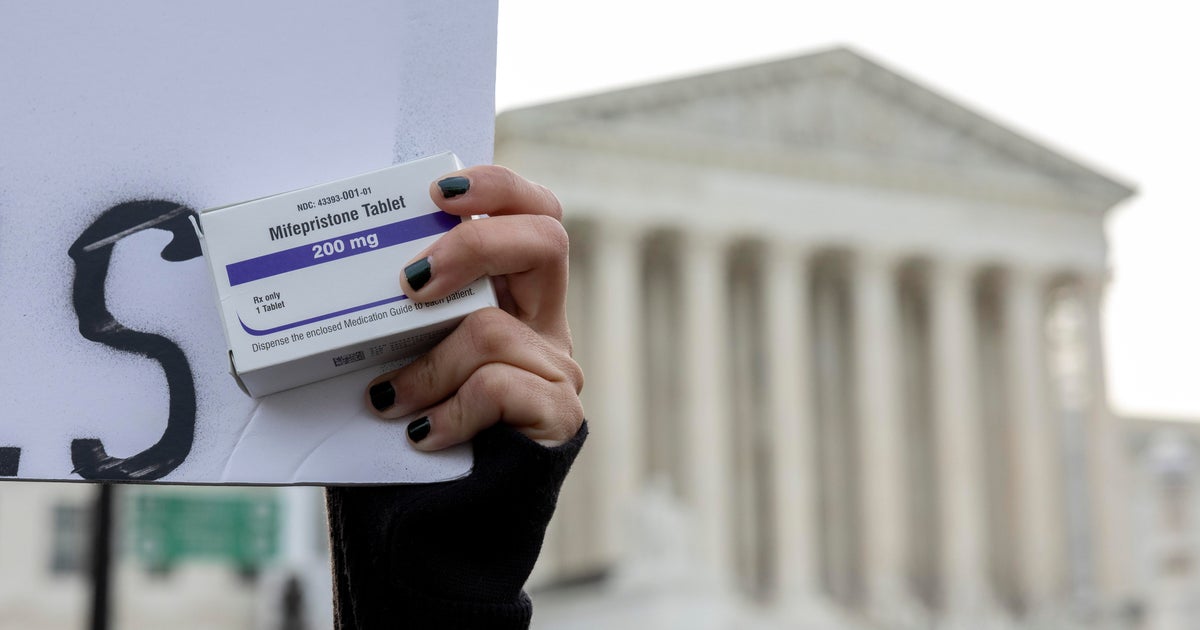
The Supreme Court has decided to extend its temporary order regarding access to mifepristone, one of the most commonly used abortion medications in the United States. Justice Samuel Alito announced on Monday that the administrative stay he initially put in place last week will continue until at least Thursday evening at 5 p.m. This extension gives the nation’s highest court more breathing room to carefully examine whether they should put on hold a lower court’s decision that could significantly impact how women across the country obtain this medication. The case centers around a Food and Drug Administration regulation that previously required mifepristone to be dispensed only in person, a rule that had been relaxed in recent years to allow for mail delivery of the medication.
The pharmaceutical companies that produce mifepristone—Danco Laboratories and GenBioPro—have formally requested that the Supreme Court reject an earlier ruling from the U.S. Court of Appeals for the 5th Circuit. That appellate court decision would reinstate restrictions on how the medication can be distributed, specifically eliminating the option for abortion providers to prescribe the drug through online consultations and then mail it directly to patients. The companies argue that while the legal battle continues through the courts, women should maintain their current access to the medication, which has become an essential component of reproductive healthcare for millions of Americans. Justice Alito is handling this particular emergency appeal because he oversees cases that arise from the 5th Circuit Court of Appeals jurisdiction.
Understanding Mifepristone and Its Role in Abortion Care
Mifepristone has become a cornerstone of abortion care in the United States, representing a significant shift in how pregnancy terminations are performed. The medication doesn’t work alone—it’s used in combination with a second drug called misoprostol to safely end an early pregnancy. Together, these medications offer women a non-surgical option for terminating pregnancies, typically during the first ten weeks of gestation. The process involves taking mifepristone first, which blocks the hormone progesterone needed for pregnancy to continue, followed by misoprostol one to two days later, which causes the uterus to contract and expel the pregnancy tissue.
The statistics surrounding medication abortion are striking and demonstrate just how central this method has become to reproductive healthcare. According to research from the Guttmacher Institute, an organization that conducts research and supports abortion rights, medication abortion accounted for approximately 65% of all clinician-provided abortions in 2023. This represents a dramatic increase from previous decades and reflects both the effectiveness and convenience of this method compared to surgical procedures. For many women, particularly those in rural areas or those who value privacy, the ability to complete an abortion in the comfort of their own homes, rather than visiting a clinic for a surgical procedure, represents an important healthcare option. The shift toward medication abortion has also been driven by its strong safety record, with decades of research and real-world use demonstrating that when used as directed, mifepristone and misoprostol are safe and effective.
Louisiana’s Legal Challenge and Its Implications
The current legal battle began when Louisiana state officials filed a lawsuit against the Food and Drug Administration, challenging the federal agency’s regulatory decision to allow mifepristone to be distributed through the mail. Louisiana has implemented one of the nation’s strictest abortion bans, with near-total prohibition on the procedure, and state officials argue that the FDA’s mail-order policy for mifepristone effectively undermines their state law. Their argument centers on the idea that when abortion providers can prescribe mifepristone through telemedicine consultations and then mail the pills directly to patients, it allows Louisiana residents to circumvent the state’s abortion restrictions.
Louisiana officials have painted a picture of widespread violation of their state’s abortion laws, claiming that “streams of mifepristone” flow into their state through the postal system, resulting in “thousands” of what they characterize as unlawful abortions occurring each year. From their perspective, the federal government’s regulation of this medication conflicts with state sovereignty and the will of Louisiana lawmakers and voters who support strict limitations on abortion. This tension between federal regulatory authority and state laws represents one of the central constitutional questions in this case—specifically, whether federal drug regulations can override state abortion restrictions.
Initially, a federal district court judge had temporarily paused Louisiana’s lawsuit against the FDA last month, allowing the federal agency time to conduct a comprehensive review of mifepristone’s safety profile. This pause suggested that the lower court wanted to ensure any decisions were based on the most current scientific evidence about the medication’s risks and benefits. However, Louisiana officials weren’t satisfied with this delay and quickly appealed the decision to the U.S. Court of Appeals for the 5th Circuit. That appellate court, which has a reputation for conservative rulings, sided with Louisiana and agreed to temporarily block the 2023 FDA policy that expanded access by allowing remote prescribing and mail delivery.
The 5th Circuit’s Reasoning and Its Broader Impact
The three-judge panel from the 5th Circuit Court of Appeals that ruled in Louisiana’s favor was unanimous in its decision, and the reasoning they provided offers insight into how some courts are viewing the intersection of federal drug regulation and state abortion laws in the post-Roe v. Wade legal landscape. The panel wrote that “every abortion facilitated by FDA’s action cancels Louisiana’s ban on medical abortions and undermines its policy that ‘every unborn child is human being from the moment of conception and is, therefore, a legal person.'” This language demonstrates that the judges viewed the case not merely as a technical regulatory dispute, but as a fundamental conflict between federal authority and a state’s declared policy of protecting what it defines as unborn life.
The implications of the 5th Circuit’s decision extend far beyond Louisiana’s borders, which is precisely why the pharmaceutical companies and abortion rights advocates have asked the Supreme Court to intervene. If the appellate court’s decision were allowed to stand, it wouldn’t just affect Louisiana residents—it would potentially restrict mifepristone access for women throughout the entire country, including those living in states where abortion remains legal and protected. This is because FDA regulations apply nationally, and if the agency is forced to reinstate the in-person dispensing requirement, abortion providers everywhere would need to comply with that restriction, even in states with strong abortion protections in their own laws.
For women in states where abortion is legal, the potential reinstatement of in-person requirements would create significant practical barriers. Many women, particularly those in rural areas, would face long travel distances to reach a clinic or provider authorized to dispense mifepristone. The requirement would also increase costs, as patients would need to arrange transportation, possibly take time off work, and potentially arrange childcare for what could have been handled through a telemedicine appointment. Additionally, the in-person requirement would reduce privacy for women seeking abortion care, potentially exposing them to protesters outside clinics or to community members who might see them entering reproductive health facilities.
What Happens Next and the Timeline
With Justice Alito’s extension of the temporary order until Thursday evening, the Supreme Court has given itself additional time to review the extensive legal arguments from both sides before making a decision on whether to maintain access to mifepristone by mail while the underlying legal case continues through the courts. This type of emergency appeal, often called a “stay application,” doesn’t resolve the fundamental legal questions at the heart of the dispute—it merely determines what happens while those questions are being litigated. The Court could decide to keep the current, more permissive access in place during the litigation, or it could allow the 5th Circuit’s more restrictive decision to take effect immediately.
The justices are likely weighing several factors as they consider this request. They’ll examine the legal precedents regarding federal agency authority to regulate medications, the principles of federalism that govern the relationship between federal and state laws, and the practical consequences of their decision for both women seeking abortion care and states attempting to enforce their own abortion restrictions. They may also consider the FDA’s expertise in drug safety and whether courts should defer to the agency’s scientific determinations about how medications can be safely distributed. Additionally, the justices might think about the real-world chaos that could result from sudden changes in access to a medication that hundreds of thousands of women rely on each year.
The Supreme Court has several options available. They could grant the stay request from the pharmaceutical companies, which would maintain mail access to mifepristone while the legal case proceeds through the lower courts—a process that could take months or even years. They could deny the stay, allowing the 5th Circuit’s restrictions to take effect immediately. Or they could take the more dramatic step of agreeing to hear the case themselves on an expedited basis, which would allow them to resolve the underlying legal questions more quickly. Given the Court’s composition, which includes a conservative majority that voted to overturn Roe v. Wade in 2022, predicting the outcome is challenging, and the decision will likely have profound implications for abortion access, federal regulatory authority, and the ongoing legal battles over reproductive rights in America.