


Federal Response to Hantavirus Outbreak: A Measured Approach
Understanding the Current Health Threat
The United States is currently managing a hantavirus outbreak linked to a cruise ship, but federal health officials are taking a notably different approach compared to the COVID-19 pandemic response. Dr. Jay Bhattacharya, who serves as both the acting director of the Centers for Disease Control and Prevention and the leader of the National Institutes of Health, has been clear in his messaging: this situation, while serious, doesn’t warrant the same level of alarm that COVID-19 did. The outbreak originated aboard the MV Hondius, a Dutch cruise ship that had been sailing the Atlantic Ocean, and has resulted in at least three deaths and ten confirmed or suspected cases of this rare, rodent-borne illness. What makes this particularly concerning is that the specific strain involved is the Andes variant of hantavirus, which is one of the few types that can actually spread from person to person, though it requires prolonged and close contact with an infected individual to do so.
Why This Outbreak Differs From COVID-19
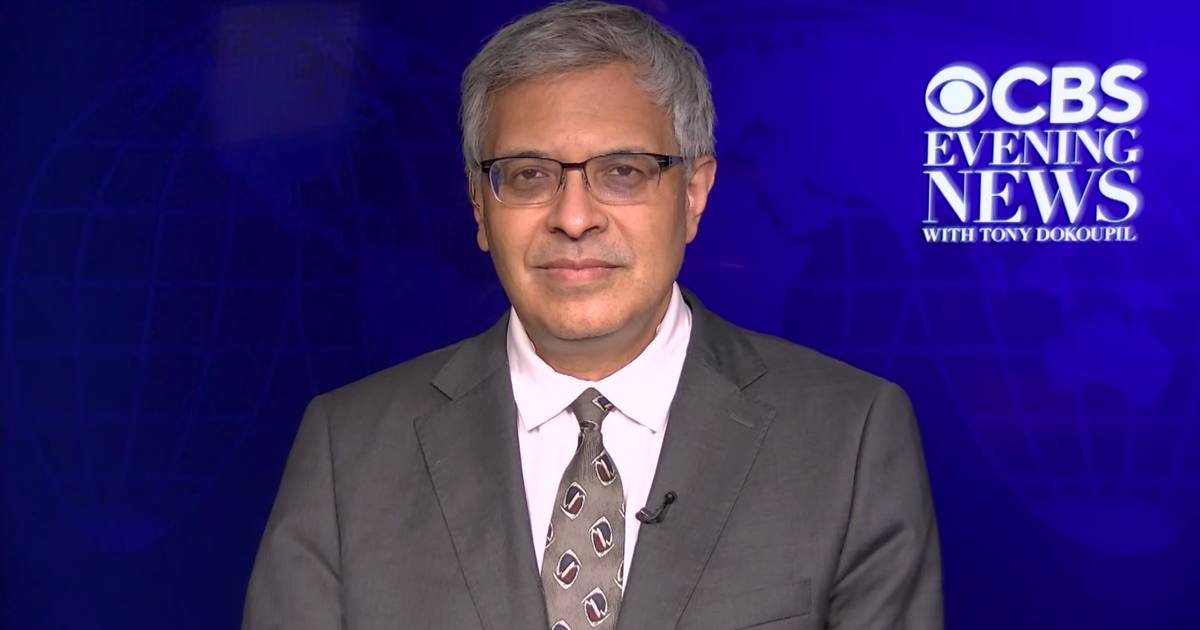
In a candid interview with CBS Evening News anchor Tony Dokoupil, Bhattacharya explained the fundamental differences between hantavirus and COVID-19 that justify the more restrained federal response. While he acknowledged that hantavirus is actually “a more deadly disease if you get it,” he emphasized that the “epidemiological risk is very, very different” from what the nation experienced with the coronavirus pandemic. The key distinction lies in how the virus spreads. Unlike COVID-19, which could transmit easily through respiratory droplets and spread rapidly through communities, hantavirus transmission from person to person is significantly more difficult. This difference in transmissibility means the risk to the general public is “much, much lower” than what was seen during the COVID-19 crisis. When questioned about why the CDC isn’t holding daily briefings on the outbreak—something that became routine during the pandemic—Bhattacharya defended the decision by saying it doesn’t make sense to sound “a five-alarm fire bell” for a situation that doesn’t pose the same widespread threat to public health.
The Government’s Coordinated Response Strategy
Despite the more measured public communication approach, Bhattacharya assured the public that the U.S. government has been actively tracking this outbreak for several weeks and has implemented a comprehensive response strategy. The federal response involves collaboration between multiple levels of government and international partners, including state and local health departments, the World Health Organization, and foreign governments whose citizens may have been affected by the cruise ship outbreak. The eighteen American passengers who were aboard the MV Hondius when the outbreak occurred returned to the United States on Monday and are now being carefully monitored at specialized medical facilities in Nebraska and Georgia. These facilities are equipped to handle rare and potentially dangerous infectious diseases, ensuring that the patients receive appropriate care while also protecting the broader community from any potential spread. Bhattacharya’s team has been working behind the scenes to ensure that proper protocols are followed and that all necessary resources are deployed to contain the outbreak and prevent further cases.
Balancing Public Awareness and Preventing Panic
One of the key challenges in managing any disease outbreak is striking the right balance between keeping the public informed and avoiding unnecessary panic. Bhattacharya addressed this delicate balance directly, explaining the CDC’s philosophy on public communication during health emergencies. “The key thing is that we should be keeping the public aware of when there’s actually threats to them, not causing the public to panic, not speculating about things that haven’t happened, or potentially could in some universe happen,” he stated. This approach represents a shift from the sometimes overwhelming daily briefings and constant media coverage that characterized the COVID-19 response. The acting CDC director emphasized the importance of being “very, very clear about what we know and don’t know” and responding appropriately to actual risks rather than hypothetical scenarios. This more calibrated communication strategy reflects lessons learned from the pandemic, where some experts believe that constant coverage and alarm sometimes led to confusion and fatigue among the public rather than clarity and appropriate precaution.
Political Criticism and Budget Concerns
Not everyone agrees with the administration’s handling of the situation. Senate Minority Leader Chuck Schumer, a Democrat from New York, has been vocal in his criticism of the Trump administration, specifically targeting last year’s cuts to the CDC’s Vessel Sanitation Program. This program plays a crucial role in investigating disease outbreaks and conducting health inspections on cruise ships—exactly the kind of work that would be critical in responding to the current hantavirus situation. Schumer didn’t mince words in his criticism, calling the decision to cut the program “incompetence” and raising concerns about the government’s ability to adequately assess and respond to the threat. “The very CDC inspectors and port health workers we need to track this virus, the people whose entire job is to keep deadly diseases off cruise ships and out of our country, Donald Trump fired them,” Schumer stated. He questioned how the White House could claim the risk to Americans is low when, in his view, they had “made it impossible to find out” by eliminating key personnel. However, Bhattacharya pushed back against these criticisms, telling CBS News that during his two and a half months leading the CDC, he has seen “no gap at all in the group that manages outbreaks” and praised the inspection team for doing an “incredible job” under the current circumstances.
Looking Ahead: Preparedness for Future Challenges
Beyond the immediate hantavirus situation, Bhattacharya also addressed the CDC’s preparedness for other potential health challenges on the horizon, including the upcoming World Cup soccer tournament, which will be jointly hosted by the United States, Mexico, and Canada in June and July. Large international gatherings like the World Cup present unique public health challenges, as they bring together millions of people from around the world, potentially exposing host countries to diseases that might not typically circulate in their populations. However, Bhattacharya expressed confidence in the nation’s readiness to handle whatever might arise. “Of course, any time so many people are traveling, there’s always the possibility of various outbreaks or whatnot to happen,” he acknowledged, demonstrating a realistic understanding of the risks involved. But he was quick to add that “the risk is not any different than it is in other World Cups that we’ve managed properly,” and assured the public that “the United States has systems in place to make sure that if something happens that we respond appropriately.” This forward-looking perspective suggests that while the federal government is taking a more measured approach to the current hantavirus outbreak, it remains vigilant and prepared for whatever public health challenges may emerge, whether from known threats or unexpected sources. The key message from federal health officials seems to be one of competent preparedness without unnecessary alarm—a middle path between complacency and panic that they hope will serve the nation well in managing both current and future health threats.