



Understanding the Hantavirus Outbreak: Why This Is Not Another COVID-19 Pandemic
A Contained Crisis, Not a Global Threat
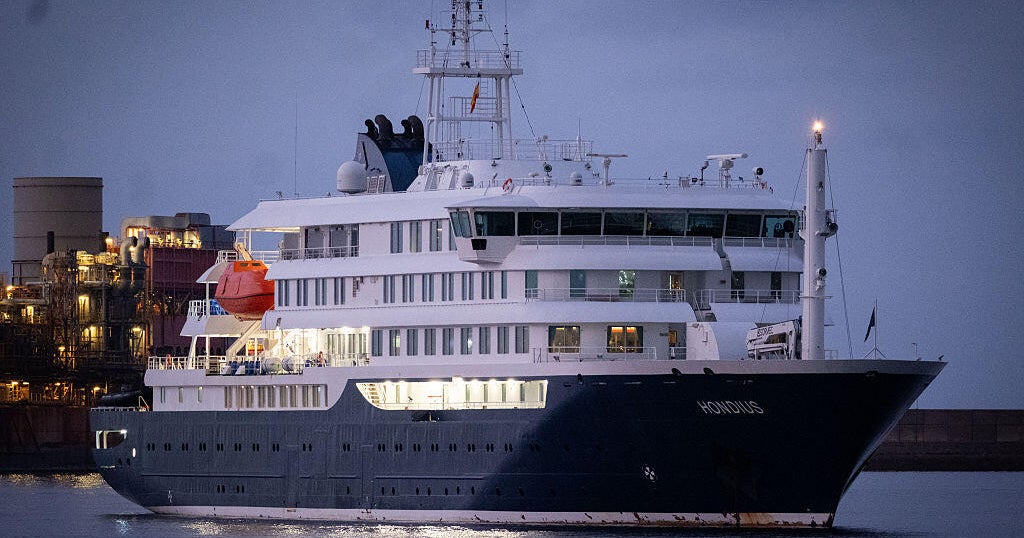
When news broke of a deadly hantavirus outbreak aboard the cruise ship MV Hondius, many people understandably felt a sense of déjà vu, recalling the anxious early days of the COVID-19 pandemic. The images of sick passengers, rising death tolls, and international health responses triggered collective memories of a world brought to its knees by an invisible enemy. However, infectious disease specialists and public health officials worldwide are speaking with one unified voice: this situation is fundamentally different, and the risk to the general public remains extremely low. World Health Organization Director-General Dr. Tedros Adhanom Ghebreyesus addressed concerned Americans directly, stating unequivocally, “This is not another COVID.” His message, based on scientific assessment and evidence, emphasizes that people should not worry about this becoming the next global health crisis.
The outbreak aboard the Dutch-flagged vessel has resulted in at least ten confirmed or suspected cases, with three tragic fatalities. Eighteen American passengers who returned to the United States are being carefully monitored at specialized medical facilities, receiving the kind of expert care that such rare illnesses require. While these numbers and precautions might sound alarming on the surface, the medical community’s understanding of this particular virus and how it behaves gives health officials significant advantages that simply didn’t exist when COVID-19 first emerged. The difference lies not just in the numbers, but in decades of scientific knowledge about hantavirus, its transmission patterns, and its limitations as a pathogen.
The Science Behind the Differences: Wildfire vs. Wet Log
Dr. Céline Gounder, a CBS News medical correspondent and infectious disease specialist, offered a particularly illuminating metaphor to help the public understand why hantavirus poses such a different threat than COVID-19. She compared COVID-19’s early spread to the perfect conditions for a wildfire—imagine a fire chief surveying dry forest that hasn’t seen rain in days, with winds blowing at forty miles per hour, and a small fire just beginning. Under those conditions, a massive, uncontrollable wildfire is virtually inevitable. In contrast, she describes hantavirus as being like “a wet log in a stone fireplace”—it might smolder briefly, but it will ultimately die out rather than spreading uncontrollably. This comparison isn’t just colorful language; it reflects fundamental differences in how these pathogens behave in human populations.
The contrast becomes even clearer when considering what scientists knew when each outbreak began. COVID-19 was caused by a brand new virus, something humanity had never encountered before. Scientists, doctors, and public health officials were learning in real time, making educated guesses, adjusting recommendations as new data emerged, and sometimes getting things wrong before getting them right. With hantavirus, the situation is entirely different. This family of viruses has been studied for decades. Scientists understand its structure, its behavior, its transmission patterns, and its limitations. They know what works to contain it and what doesn’t. This wealth of existing knowledge means that the response can be swift, targeted, and effective from day one, rather than developed through trial and error while the virus spreads unchecked.
Perhaps most importantly, the fundamental biology of how hantavirus operates makes it far less transmissible than COVID-19. Hantavirus infects deep inside the lungs, not the upper respiratory tract like COVID-19 does. This seemingly technical distinction has enormous practical implications. Because the virus resides deep in lung tissue rather than in the nose and throat, it’s much harder for infected individuals to cough or breathe out enough viral particles into the air to infect others. The incubation periods are also different, and this difference actually helps public health officials contain the outbreak. These biological characteristics essentially put a natural brake on the virus’s ability to spread through populations—something COVID-19 notably lacked.
The Transmission Factor: Why Close Contact Matters
One of the most crucial differences between the hantavirus outbreak and COVID-19 lies in how the virus actually spreads from person to person. Hantavirus is rare and typically spread by rodents in dry climates, particularly in certain regions of South America. The specific Andes virus strain involved in this cruise ship outbreak is unique among hantaviruses because it’s the only strain known to spread from person to person at all—most hantavirus strains only spread from rodents to humans, not between humans. This strain has been found in areas where a Dutch couple traveled before boarding the cruise ship in Ushuaia, Argentina, in April. Tragically, the husband initially fell ill and died several weeks before his wife also became sick, demonstrating the person-to-person transmission capability of this particular strain.
Maria Van Kerkhove, the World Health Organization’s director of epidemic and pandemic preparedness and prevention, emphasized this distinction forcefully at a briefing, stating, “This is not COVID. This is not influenza. It spreads very, very differently.” She continued with unequivocal clarity: “This is not SARS-CoV-2. This is not the start of a COVID pandemic. This is an outbreak that we see on a ship. This is a confined area.” Her emphasis on the confined nature of the outbreak speaks to another key difference—while COVID-19 spread rapidly through communities, cities, and eventually the entire world, this hantavirus outbreak has remained contained to a specific group of people who shared a specific space during a specific timeframe. The virus hasn’t jumped into the broader community, and the characteristics of how it spreads make such a jump highly unlikely.
The specific requirements for transmission make this virus far less threatening as a pandemic pathogen. Unlike COVID-19, which can spread through airborne particles that linger in enclosed spaces and travel across rooms, the Andes virus requires “prolonged” physical contact to spread from one person to another. The Centers for Disease Control and Prevention created a new webpage specifically addressing questions about the Andes virus, emphasizing that “the risk of a pandemic caused by this outbreak and the overall risk to the American public and travelers remains extremely low.” The CDC specifies that transmission is “usually limited to people who have close contact with a person with symptoms,” including scenarios like prolonged direct physical contact, extended time spent in close or enclosed spaces, and exposure to an infected person’s saliva, respiratory secretions, or other bodily fluids. These are not the casual encounters we have dozens of times per day—passing someone in a grocery store, sitting near them on a bus, or being in the same building. These are intimate, prolonged interactions of the type that occur primarily among household members, close caregivers, and perhaps roommates on a cruise ship sharing confined quarters for weeks.
The Time Factor: A Longer Incubation Period Provides Advantages
Another significant difference between this hantavirus outbreak and COVID-19 lies in the incubation period—the time between when someone is exposed to the virus and when they begin showing symptoms. For COVID-19, this period is relatively short, typically ranging from two days to two weeks, with most people developing symptoms within five to six days. This short incubation period contributed to COVID-19’s rapid spread, as infected individuals could travel widely, interact with many people, and spread the virus before they even knew they were sick. By the time symptoms appeared and people isolated themselves, they might have already exposed dozens or even hundreds of others.
The Andes virus behaves very differently. Multiple health officials have noted that the incubation period can range anywhere from approximately two to six weeks. While this might sound frightening—imagine not knowing for a month and a half whether you’ve been infected—this characteristic actually provides significant advantages for public health responses. Dr. Gounder points out that “because of that long incubation period, that gave us more time” to develop and implement containment measures. The passengers who disembarked from the MV Hondius could be identified, located, monitored, and, if necessary, isolated before they became symptomatic and potentially infectious. Health officials could trace contacts, inform people of potential exposure, and put monitoring systems in place. This is a luxury that COVID-19 never afforded.
Former FDA Commissioner Scott Gottlieb noted on “Face the Nation” that passengers repatriated in recent days will likely reach the peak of the virus’s incubation cycle this week, meaning that people exposed during this outbreak are “nearing the end of the transmission window.” This predictability—knowing approximately when people might become ill and therefore potentially infectious—allows for targeted, effective monitoring. The sixteen U.S. passengers being monitored at the National Quarantine Unit at the University of Nebraska Medical Center, along with two others at a facility in Atlanta, are receiving this care during the critical window when symptoms might develop. Admiral Brian Christine, assistant secretary for health at the Department of Health and Human Services, emphasized at a briefing that “the risk of hantavirus to the general public remains very, very low” because “the Andes variant of this virus does not spread easily, and it requires prolonged close contact with someone who is already symptomatic.”
Lessons Learned and Systems in Place
The response to this hantavirus outbreak demonstrates something that didn’t exist in early 2020: a global public health infrastructure that has been stress-tested, improved, and refined through the COVID-19 experience. The systems for international cooperation, rapid testing, specialized quarantine facilities, contact tracing, and public communication that were either non-existent or inadequate five years ago are now functioning efficiently. The passengers from the MV Hondius are receiving care at specialized facilities specifically designed for highly infectious diseases—facilities that were expanded and improved during COVID-19. International health organizations are coordinating seamlessly, sharing information in real-time, and presenting unified, science-based messaging to prevent panic.
This coordinated response also reflects the medical community’s ability to distinguish between different levels of threat and respond proportionately. The measures being taken—specialized quarantine facilities for potentially exposed individuals, careful monitoring, international coordination—are serious and appropriate for a rare, deadly disease. However, they are not the economy-shuttering, society-altering measures that COVID-19 eventually required because the science clearly shows they are not necessary. The public is being informed rather than alarmed, educated rather than frightened. This balanced approach, based on decades of scientific understanding of hantavirus, represents a maturation of public health communication.
Moving Forward Without Fear
As Americans and global citizens process news of this outbreak, it’s natural for our COVID-19 trauma to resurface. The pandemic left psychological scars—anxiety about disease, hypervigilance about symptoms, fear of crowds and travel, and a general sense that catastrophe might be lurking around any corner. These feelings are valid responses to a genuinely traumatic global event. However, part of recovering from that trauma involves learning to distinguish between situations that genuinely threaten public health on a massive scale and situations that, while serious, are containable and well-understood.
The hantavirus outbreak aboard the MV Hondius is the latter. It is a tragedy for the individuals and families directly affected, and it deserves serious public health attention and resources. But it is not, and will not become, another COVID-19. The virus simply doesn’t have the biological characteristics necessary to spread rapidly through populations. It requires prolonged, close contact that most of us will never have with an infected individual. Its long incubation period gives public health officials time to respond effectively. And perhaps most importantly, scientists understand this virus in ways they simply didn’t understand SARS-CoV-2 in early 2020. The “wet log in a stone fireplace” will smolder and die out rather than igniting a global wildfire. We can acknowledge the seriousness of this outbreak for those directly affected while also recognizing that the risk to the broader public remains extremely low—not because officials are downplaying a threat, but because the science clearly supports this assessment. As Dr. Tedros stated simply and directly: people shouldn’t worry. This is not another COVID.