
How Cocaine in Our Waterways is Changing Fish Behavior: A Growing Environmental Crisis
The Surprising Discovery About Salmon and Cocaine
In what might sound like an unusual headline, scientists have discovered that salmon swimming in cocaine-contaminated waters behave dramatically differently from their drug-free counterparts. A groundbreaking study released this week revealed that Atlantic salmon exposed to cocaine in their natural habitat swim significantly longer distances than those in clean water. This isn’t just a curious scientific oddity – it’s a wake-up call about the hidden consequences of human drug use on wildlife. Researchers from Australia’s Griffith University and Sweden’s Swedish University of Agricultural Sciences joined forces to understand how illicit drugs are affecting fish in their natural environments, and what they found should concern everyone who cares about our planet’s ecosystems.
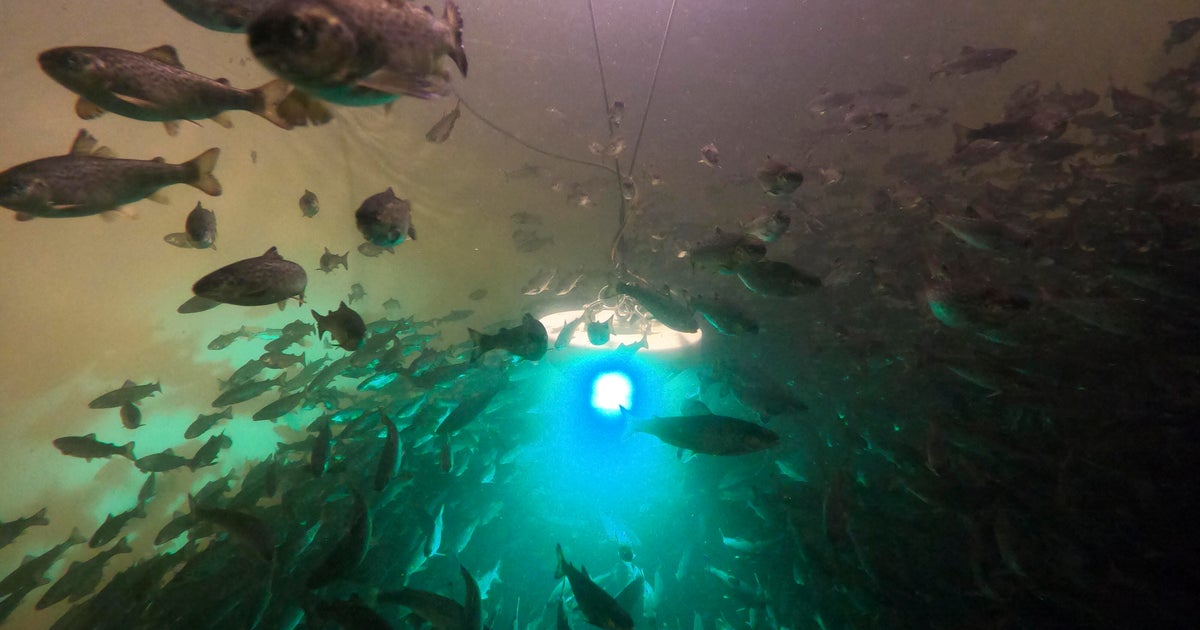
The research focused on 105 wild Atlantic salmon living in Sweden’s Lake Vattern. These fish were exposed to both cocaine and benzoylecgonine, which is a byproduct created when the human liver processes cocaine. After carefully tracking their movements, scientists discovered something alarming: the salmon exposed to these substances traveled nearly twice as far each week compared to fish swimming in clean water – specifically, 1.9 times the distance. Those exposed to the cocaine byproduct swam an additional 7.6 miles compared to their unexposed relatives. This dramatic change in behavior represents an unnatural alteration in how these wild creatures live their lives, and according to researchers, any such unnatural change in animal behavior should raise red flags about the health of our ecosystems.
The Growing Problem of Drugs in Our Waters
The issue of drug contamination in waterways isn’t isolated or small-scale – it’s a worldwide problem that’s getting worse. According to United Nations data, approximately 25 million people used cocaine in 2023 alone, and that number continues to climb. When people use cocaine and other drugs, those substances don’t simply disappear after being consumed. They leave the human body through urine and enter sewage systems, eventually making their way into rivers, lakes, and oceans. Marcus Michelangeli, one of the study’s co-authors from Griffith University’s Australian Rivers Institute, explained to Australia’s national broadcaster ABC that researchers are finding “higher and higher concentrations of not just illicit drugs but all types of pharmaceuticals in our waterways.” This isn’t just about cocaine – it includes prescription medications, over-the-counter painkillers, caffeine, and countless other substances that humans consume daily without considering where they end up.
What makes this particularly troubling is that these aren’t isolated incidents or localized problems. Researchers have issued warnings that the pollution of water bodies by common drugs represents “a major and escalating risk to biodiversity” worldwide. The substances we put into our bodies eventually find their way into the environments where countless species live, breed, and try to survive. Michelangeli put it into perspective when he noted that “the idea of cocaine affecting fish might seem surprising, but the reality is that wildlife is already being exposed to a wide range of human-derived drugs every day.” In other words, the unusual part isn’t the experiment itself – it’s the fact that this exposure is already happening all around us, largely invisible and unmonitored.
Beyond Salmon: A Widespread Wildlife Crisis
The salmon study isn’t standing alone in highlighting this environmental crisis. Other recent research has painted an even broader picture of how widespread drug contamination has become in our oceans and waterways. Just last month, another study found that sharks swimming in the waters around the Bahamas have substances including caffeine, painkillers, and cocaine in their systems. Lead author Natascha Wosnick explained to CBS News that while cocaine detection naturally grabs attention because it’s an illegal substance, “the widespread presence of caffeine and pharmaceuticals in the blood of many analyzed sharks is equally alarming.” She emphasized that these legal substances – things we consume routinely without a second thought – are creating an environmental footprint that’s clearly detectable in marine life. Even more concerning, a separate 2024 study found that sharks in Brazilian waters also tested positive for both cocaine and its metabolite benzoylecgonine.
These findings demonstrate that this isn’t just a problem affecting one species in one location. From salmon in Swedish lakes to sharks in tropical and subtropical waters, wildlife across different ecosystems and continents are being exposed to human drugs. The substances we consume for medical reasons, recreation, or just to wake up in the morning are fundamentally altering the chemistry of the environments where wild animals live. What’s particularly troubling is that we’re only beginning to understand the full scope of this problem. The studies conducted so far have focused on specific species in specific locations, but the contamination is undoubtedly much more widespread than current research reveals.
What This Means for Ecosystems and Biodiversity
The behavioral changes observed in cocaine-exposed salmon aren’t just interesting data points – they could have serious consequences for entire ecosystems. When fish swim nearly twice as far as they normally would, it affects their energy expenditure, feeding patterns, migration routes, and potentially their survival rates. These changes ripple outward, affecting predators that rely on these fish for food, the prey species that the fish themselves consume, and the overall balance of aquatic ecosystems. Associate Professor Michael Bertram from the Swedish University of Agricultural Sciences emphasized that “our study shows that drugs are not only a societal issue, but also a concrete environmental challenge.” In other words, what we’ve long considered primarily a human health and criminal justice problem is actually an ecological crisis that threatens the biodiversity our planet depends on.
The researchers involved in these studies have called for urgent improvements in wastewater treatment and better monitoring systems to track pharmaceutical and drug contamination in waterways. Current water treatment facilities weren’t designed to filter out these substances, and most don’t test for them routinely. As drug use continues to rise globally and pharmaceutical consumption increases with aging populations, the problem will only intensify unless we take concrete action. The science is clear: the substances we’re putting into our water systems are changing how wild animals behave, and we don’t yet fully understand what the long-term consequences will be for species survival, ecosystem health, and ultimately, for humans who depend on healthy oceans and waterways.
Looking Forward: Solutions and Responsibilities
Addressing this growing crisis will require action on multiple fronts. First and foremost, we need significant investment in upgrading water treatment facilities to remove pharmaceuticals and drugs from wastewater before it’s released into natural water bodies. This technology exists but implementing it widely will require substantial financial resources and political will. Second, we need comprehensive monitoring programs to understand the full extent of contamination across different waterways and ecosystems. Without knowing how widespread the problem is, we can’t develop targeted solutions or measure whether our interventions are working. Third, there needs to be greater public awareness about how our consumption choices – from prescription medications to recreational drugs to that morning cup of coffee – have environmental consequences that extend far beyond our immediate surroundings.
This research reminds us that we’re all connected to the natural world in ways we rarely consider. The salmon swimming in Swedish lakes and the sharks patrolling Caribbean reefs are being affected by decisions made by humans thousands of miles away. As Michelangeli pointed out, what’s truly unusual isn’t that scientists conducted these experiments – it’s that this contamination is already happening, day after day, affecting countless species in ways we’re only beginning to understand. The question now is whether we’ll take this wake-up call seriously enough to make the changes needed to protect not just individual species, but the interconnected web of life that makes our planet habitable for everyone, including ourselves. The cocaine-swimming salmon aren’t just a scientific curiosity – they’re messengers telling us that our actions have consequences, and it’s time we started listening.