


The Cardi B Halftime Show Controversy: When Dancing Meets Definition in the Betting World
A Performance That Sparked a Million-Dollar Debate
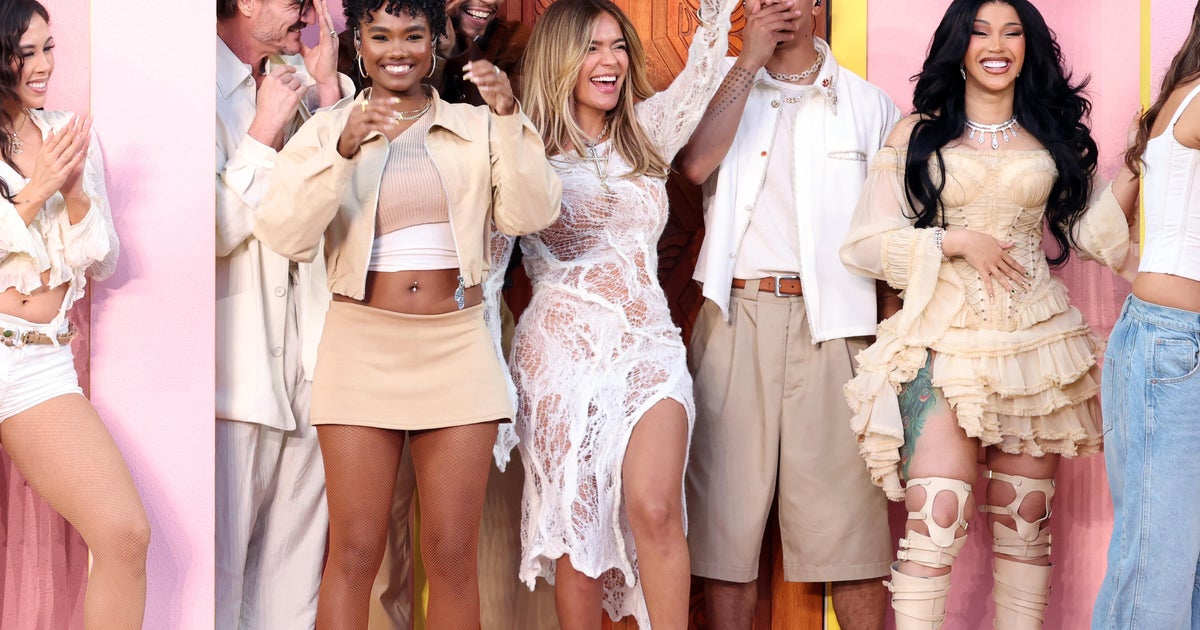
When Bad Bunny took center stage at the Super Bowl halftime show, he brought along an impressive roster of celebrity guests, including rapper Cardi B. What should have been just another exciting entertainment moment during America’s biggest sporting event turned into something much more complex—a heated controversy that has shaken the prediction markets industry to its core. The Grammy-winning artist appeared on a pink porch set alongside other stars like Karol G, Young Miko, Jessica Alba, and Pedro Pascal, dancing enthusiastically while the music played. However, one crucial question emerged that nobody seemed able to answer definitively: Was Cardi B actually singing, or was she just dancing? This seemingly simple question has created a firestorm in the world of prediction markets, where millions of dollars were riding on the answer. With approximately 128 million viewers tuning in to watch the halftime show, what unfolded wasn’t just entertainment—it became the center of a financial and regulatory dispute that could have lasting implications for how prediction markets operate in the future.
The High-Stakes World of Prediction Markets
To understand why this controversy matters so much, it’s important to grasp how prediction markets work. These platforms allow everyday people to place bets on future events by purchasing contracts that essentially answer “yes” or “no” questions. Think of it as putting your money where your mouth is when you make predictions about what will happen in the world. In the case of the Super Bowl halftime show, both Kalshi and Polymarket—two of the nation’s most prominent prediction market platforms—offered contracts asking whether Cardi B would perform during the show. The stakes were enormous: Kalshi saw $47.3 million in trading volume on this question, while Polymarket recorded $10 million. These aren’t small numbers—they represent thousands of people making financial decisions based on their expectations of what would happen during a 15-minute entertainment spectacular. The beauty and the danger of prediction markets lie in their simplicity, but as this situation demonstrates, even seemingly straightforward questions can become incredibly complicated when real money is on the line and the answer isn’t crystal clear.
When “Performance” Becomes a Matter of Interpretation
The heart of this controversy boils down to a surprisingly philosophical question: What exactly constitutes a “performance”? When Cardi B stepped onto that pink porch during the halftime show, she was undeniably present, undeniably dancing, and undeniably part of the spectacle that millions were watching. But was she singing? Observers noted that she appeared to be mouthing words to the song, but whether actual vocals were coming from her microphone remained unclear. This ambiguity created a nightmare scenario for the prediction markets that had offered contracts on her performance. Some users argued vehemently that a “cameo” shouldn’t count as a performance, suggesting that merely appearing on stage doesn’t meet the threshold of what they believed they were betting on. Others countered that performance isn’t exclusively about singing—that dancing itself is a form of performance, and Cardi B was clearly performing in that sense. The debate raged in comment sections, with some users feeling scammed and others defending the broader interpretation. This wasn’t just about semantics; it was about millions of dollars and the fundamental trust between prediction market platforms and their users.
Kalshi’s Controversial Solomon-Like Decision
Faced with this impossible situation, Kalshi made a decision that pleased virtually nobody: they chose not to declare a winner at all. Instead, the platform settled the market at the last traded price before it was paused, effectively issuing partial payouts to both sides. Those who had bet “no” received 74 cents per contract, while those who bet “yes” received 26 cents per contract. A Kalshi spokesperson attempted to explain the reasoning behind this approach, stating that “the rules were clear” and that “singing and dancing counted as a performance, but just dancing in the background did not.” However, in the actual broadcast performance, Cardi B was dancing and mouthing words, making it “unclear if she was ‘singing’.” This middle-ground approach backfired spectacularly, angering users on both sides of the bet. One particularly frustrated user who had purchased a “yes” contract filed an official complaint with the Commodity Futures Trading Commission (CFTC), the federal agency that regulates prediction markets. This user claimed they should have received $5,000 if their bet had been judged a winner, but instead received only $1,300 due to the partial payout structure. They’re now seeking $3,700 in compensation through official regulatory channels, escalating what began as a Super Bowl entertainment question into a potential test case for how prediction markets should handle ambiguous outcomes.
Polymarket’s Wait-and-See Approach
While Kalshi faced immediate backlash for its decision, Polymarket took a different approach—one that has left its users in suspense. The platform scheduled a final decision for Wednesday following the Sunday halftime show, giving itself time to review the situation before making a ruling. This delay hasn’t stopped Polymarket users from voicing their opinions in the event contract’s comment section, where heated debates continue to unfold. The platform has remained tight-lipped about its eventual ruling, not immediately responding to requests for comment from media outlets. The stakes are significant, with $10 million in trading volume representing thousands of users waiting to learn whether they’ll be getting paid or losing their wagers. The pressure on Polymarket is immense—whatever decision they make will inevitably anger a substantial portion of their user base, and they’ve had the unfortunate advantage of watching the backlash that Kalshi experienced with its compromise approach. Whether Polymarket will make a definitive call one way or the other, or attempt its own version of a middle-ground solution, remains to be seen. What’s clear is that there’s no easy answer, and the platform’s decision will likely be scrutinized just as intensely as Kalshi’s has been.
The Bigger Picture: Regulation, Growth, and the Future of Prediction Markets
This Cardi B controversy emerges at a particularly interesting moment for the prediction markets industry, which has experienced explosive growth while simultaneously facing regulatory uncertainty. Kalshi reported that on Super Bowl Sunday, they hit a daily record high of more than $1 billion in trading across their entire site—a staggering 2,700% increase from the previous year. These numbers demonstrate just how mainstream prediction markets have become, moving from niche financial instruments to platforms where ordinary people wager on everything from sports to politics to entertainment. However, this growth hasn’t come without pushback. Some states, including Connecticut, have argued that platforms offering “sports events contracts” are operating illegally, creating a patchwork of regulatory approaches across the country. The regulatory landscape may be shifting, though. In late January, CFTC Chair Michael Selig directed the agency to withdraw a 2024 rule proposal that would have prohibited political and sports-related contracts, stating that the advisory “contributed to uncertainty in our markets.” This suggests a more permissive approach may be emerging at the federal level. However, cases like the Cardi B controversy—complete with official complaints to the CFTC—could influence how regulators view these markets going forward. If platforms can’t reliably resolve ambiguous situations in ways that satisfy users, regulators may feel compelled to step in with more stringent rules about how contracts must be written and resolved. The industry stands at a crossroads: will it develop robust self-governance mechanisms that handle these gray areas fairly and transparently, or will regulatory intervention become necessary to protect users from ambiguous contract terms? The answer to whether Cardi B “performed” at the Super Bowl may ultimately matter far less than how the industry and regulators respond to the controversy it created.