


Federal Agent Accused of Sheltering Girlfriend Who Is Also His Niece
A Stunning Breach of Trust
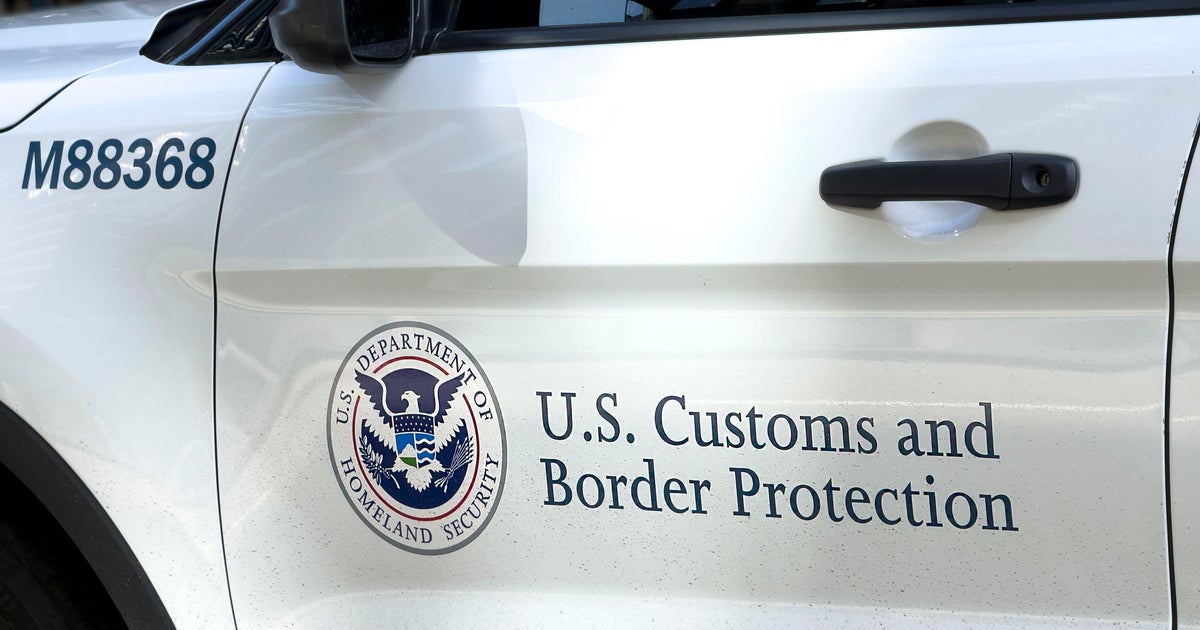
In a case that has shocked both immigration and law enforcement communities, a veteran U.S. Customs and Border Protection officer now finds himself on the wrong side of the law he spent nearly a quarter-century enforcing. Andres Wilkinson, a 52-year-old CBP supervisor based in Laredo, Texas, is facing serious federal criminal charges that read like something out of a telenovela. The Justice Department alleges that Wilkinson wasn’t just harboring an immigrant living in the country illegally—the woman in question is reportedly both his romantic girlfriend and his niece. This explosive allegation represents not only a potential violation of federal immigration law but also raises deeply troubling questions about abuse of authority, family dynamics, and the integrity of those entrusted with protecting America’s borders.
The case against Wilkinson paints a picture of a man who allegedly used his position, resources, and knowledge of the system to shield someone he knew was violating immigration laws. According to the criminal complaint filed earlier this month, the woman at the center of this controversy entered the United States legally in August 2023 on a temporary visa. However, she overstayed that visa, making her presence in the country illegal. Despite this—and despite his professional obligation to uphold immigration law—Wilkinson allegedly provided her with substantial support, including housing in his Laredo home, access to credit cards, help with various financial obligations, and use of vehicles. The complaint details how the couple traveled together through Border Patrol checkpoints near the Texas border, presumably with Wilkinson’s insider knowledge helping them avoid scrutiny. For someone whose job literally involved enforcing the very laws his alleged girlfriend was breaking, the irony is as thick as it is troubling.
The Tangled Web of Relationships
What elevates this case from a straightforward harboring charge to something far more complex and disturbing are the allegations about the true nature of Wilkinson’s relationship with the woman. According to information gathered by investigators, the woman isn’t just Wilkinson’s romantic partner—she’s apparently his niece as well. The criminal complaint indicates that officials collected information suggesting this familial connection, which would make their romantic relationship not only ethically problematic but potentially incestuous. Adding yet another layer to this already complicated situation, the woman is reportedly married to another man. Her husband had actually filed a green card application on her behalf with U.S. Citizenship and Immigration Services in January 2024, which would have put her on a legal path to remaining in the United States. However, that petition was mysteriously canceled in April 2025—timing that investigators likely found significant given the allegations against Wilkinson.
The investigation that ultimately led to these charges demonstrates the thoroughness of the CBP Office of Professional Responsibility, the internal affairs division tasked with rooting out misconduct within the agency. Beginning in May 2025, just a month after the green card petition was canceled, CBP OPR began observing Wilkinson, the woman, and her daughter together. What followed was a months-long investigation that gradually pieced together the relationship between all the parties involved. A crucial piece of evidence came from Wilkinson’s own background investigation paperwork from 2023, where he had listed a man named J. Santos Garcia-Moreno as his brother. Investigators discovered that this man was the father of the woman Wilkinson was allegedly living with—confirming the niece relationship. When CBP OPR finally detained the woman in February 2026, she reportedly admitted that she had indeed been living with Wilkinson since August 2024, about a year after her initial entry into the country. This admission provided investigators with the direct confirmation they needed to move forward with criminal charges.
The Fallout and Legal Consequences
The legal jeopardy facing Wilkinson is severe. If convicted on the harboring charges, he could spend up to 10 years behind bars in a federal prison—a devastating fall for a man who spent most of his adult life on the other side of the law enforcement equation. Additionally, he faces potential fines of up to $250,000, which would be financially devastating on top of the certain loss of his federal pension and benefits. Wilkinson made his initial court appearance and, in a decision that speaks to the seriousness of the charges and possibly concerns about flight risk or obstruction, he remains in federal custody. A detention hearing is scheduled for Friday, where a judge will determine whether he should remain jailed pending trial or be released under certain conditions. CBS News reached out to the attorney listed as representing Wilkinson, but as of their reporting, had not received any comment. Similarly, CBP itself declined to immediately respond to requests for comment—a silence that likely reflects both the ongoing nature of the legal proceedings and the embarrassment such cases cause for law enforcement agencies.
The timing and circumstances of Wilkinson’s arrest are particularly noteworthy given his position within CBP. He wasn’t just a line officer checking passports or inspecting vehicles at a port of entry. After joining CBP nearly 25 years ago, Wilkinson had worked his way up through the ranks, earning a promotion to a supervisory position in 2021. In this elevated role, his responsibilities specifically included overseeing the enforcement of immigration laws—the very laws he now stands accused of flouting. This represents not just a personal failure but a systemic concern for CBP: how did someone allegedly engaged in this behavior escape detection long enough to be promoted into a position of greater authority and responsibility? The case will undoubtedly prompt soul-searching within the agency about vetting procedures, ongoing monitoring of personnel, and the particular vulnerabilities that come with hiring individuals who may have family connections on both sides of the border.
Broader Implications for Border Security
This case arrives at a particularly sensitive time for discussions about border security and immigration enforcement in America. The integrity of the officers and agents tasked with enforcing immigration law is fundamental to public trust in the system. When those same officers are accused of harboring people they know to be in the country illegally—especially when motivated by personal relationships—it undermines confidence in the entire apparatus of border control. Critics of current immigration enforcement may point to this case as evidence of hypocrisy and selective application of laws, while supporters of strict enforcement will likely argue it demonstrates exactly why robust internal oversight mechanisms like CBP OPR are essential. The fact that this case involves not just professional misconduct but also allegations of an inappropriate familial relationship adds a sensational element that will likely attract significant media attention and public scrutiny.
The Laredo setting of this alleged crime is also significant. As a major port of entry along the Texas-Mexico border, Laredo sees enormous volumes of cross-border traffic daily, both legal and illegal. CBP officers stationed there are on the front lines of immigration enforcement, making decisions every day about who enters the country and under what circumstances. The position requires not only technical knowledge but also integrity and impartiality—qualities that are called into serious question by these allegations. For Wilkinson’s colleagues in Laredo and throughout CBP, this case likely feels like a betrayal. Law enforcement is built on trust, both between officers and the public they serve and among officers themselves. When that trust is broken, particularly in such a dramatic fashion, it affects morale and can make an already challenging job even more difficult.
Questions Remaining and Justice Ahead
As this case moves forward through the federal court system, many questions remain unanswered. What exactly was the nature of Wilkinson’s relationship with his alleged niece, and how did it develop? Did he encourage her to overstay her visa, or did he simply enable her decision after the fact? Was his position at CBP part of the attraction for her, offering a sense of protection from immigration enforcement? What about the woman’s husband and the canceled green card petition—was there pressure from Wilkinson to abandon that legal pathway to status? And perhaps most troublingly, were there other cases where Wilkinson’s professional judgment was compromised by personal relationships or other conflicts of interest? Investigators and prosecutors will be working to answer these questions as they build their case, while Wilkinson’s defense attorney will be looking for weaknesses in the government’s evidence and arguments for why the relationship, however unusual, might not constitute the crime of harboring.
The human dimension of this case shouldn’t be lost amid the legal and political implications. Real people are at the center of this drama—a woman and her daughter whose immigration status is uncertain, a husband whose wife was allegedly involved with another man, and Wilkinson himself, who now faces the destruction of his career, reputation, and freedom. Whatever the ultimate outcome in court, the damage has already been done in many ways. This case serves as a stark reminder that those given authority and public trust bear a special responsibility to uphold the law, even—especially—when doing so conflicts with personal desires or family loyalties. As the detention hearing approaches and the legal process unfolds, the country will be watching to see how justice is served when the law enforcer becomes the lawbreaker.