
Netanyahu Reveals Secret Cancer Treatment: A Leader’s Personal Battle and Political Calculations
The Unexpected Announcement
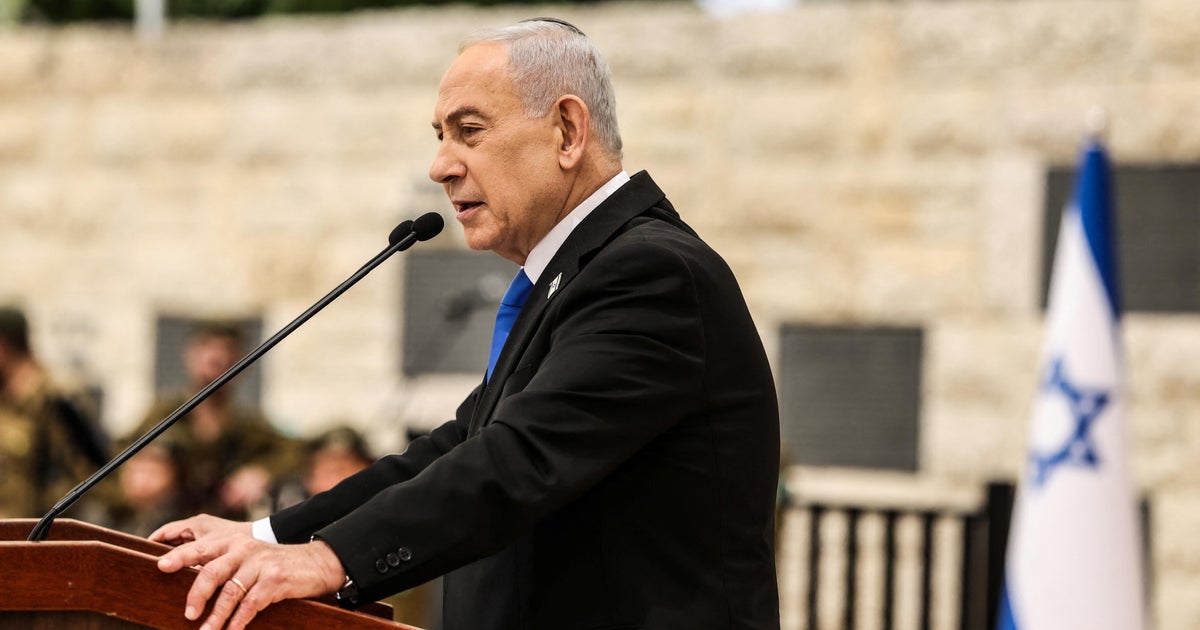
In a surprising revelation that sent shockwaves through international political circles, Israeli Prime Minister Benjamin Netanyahu announced on Friday that he had been quietly battling prostate cancer for the past year and a half. The 76-year-old leader took to social media platform X to share the news, explaining that he had successfully undergone treatment for an early-stage malignant tumor. According to Netanyahu, the cancer was caught early—described as “a tiny spot of less than a centimeter”—and was completely removed during treatment approximately 18 months ago. The prime minister assured the public that he is currently in “excellent physical condition” and has fully recovered from the procedure. What makes this revelation particularly intriguing, however, isn’t just the medical news itself, but the reasoning behind why Netanyahu chose to keep it secret for so long, and why he’s choosing to reveal it now.
The Iran Factor: Keeping Secrets for National Security
Netanyahu’s decision to withhold information about his cancer diagnosis wasn’t simply a matter of personal privacy—it was a calculated political and strategic choice. The prime minister explicitly stated that his primary concern was preventing Iran from exploiting his health condition for propaganda purposes against Israel. In his statement, Netanyahu explained that he deliberately requested a delay in publishing his annual medical report, which had been due two months prior to his announcement. He feared that revealing his vulnerability would give Tehran ammunition to spread “even more false propaganda against Israel” at a time when tensions between the two nations remain extraordinarily high. This reasoning offers a fascinating glimpse into the constant strategic calculations that leaders in volatile regions must make, where even personal health information can become a weapon in the hands of adversaries. Netanyahu’s concern wasn’t unfounded—in the high-stakes game of Middle Eastern geopolitics, any sign of weakness in leadership can be seized upon by opponents to undermine confidence in a nation’s stability and strength.
A Metaphor for Leadership Style
Never one to miss an opportunity to reinforce his political brand, Netanyahu cleverly transformed his cancer revelation into a statement about his broader approach to leadership. Drawing a parallel between his handling of the health crisis and his governance of Israel, the prime minister wrote, “You already know me. When I’m given information in time about a potential danger, I want to address it immediately. This is true on the national level and also on the personal level.” This comparison was clearly designed to portray Netanyahu as someone who confronts threats head-on, whether they’re growing inside his own body or threatening Israel’s borders. The message was unmistakable: just as he took swift action against the cancer when it was discovered early, so too does he act decisively against threats to Israel when intelligence provides early warning. For a leader who has built much of his political career on projecting strength and decisive action, particularly regarding security matters, this framing of his cancer battle serves as another data point in the narrative he’s consistently constructed about himself as Israel’s protector.
The Political Timing of the Revelation
The timing of Netanyahu’s announcement is significant for several reasons. The revelation comes as the prime minister is preparing for upcoming visits to the White House in the coming weeks, where he’s scheduled to discuss establishing a “more sustainable peace with Iran” than the current fragile ceasefire that exists between the nations. Since President Trump returned to office in early 2025, Netanyahu has made an unprecedented six visits to the White House—a record that underscores both the close relationship between the two leaders and the critical nature of the ongoing discussions about Middle Eastern security. By revealing his cancer treatment now, Netanyahu may be attempting to get ahead of any potential leaks about his health that could surface during these high-stakes diplomatic negotiations. Additionally, making the announcement on his own terms allows him to control the narrative, emphasizing his complete recovery and current excellent health rather than allowing rumors or incomplete information to circulate. The disclosure also demonstrates a certain confidence—Netanyahu is essentially saying that he’s healthy enough and secure enough in his position that he can now afford to be transparent about what happened without fearing it will be used against him.
The Broader Context: Israel’s Fragile Peace
Netanyahu’s health revelation comes at a particularly tense moment for Israel and the broader Middle East region. Just the evening before his announcement, Israel extended its ongoing U.S.-brokered ceasefire with Lebanon by an additional three weeks. However, this extension doesn’t mean peace has truly arrived—Hezbollah and Israeli military forces continue to exchange fire despite the ceasefire agreement, underscoring how precarious the situation remains. This context makes Netanyahu’s decision to delay announcing his cancer treatment more understandable. During a period of such instability, where Israel is simultaneously managing a fragile ceasefire with Lebanon, ongoing tensions with Iran, and the complex dynamics of Palestinian relations, any perception of weakness in leadership could potentially embolden adversaries or unsettle allies. The prime minister’s calculation appears to have been that maintaining secrecy about his health condition for 18 months was worth the risk of later criticism for lack of transparency, because the alternative—giving Iran and other adversaries information they could exploit—posed a greater danger to Israel’s national interests.
Questions of Transparency and Democratic Accountability
While Netanyahu’s reasoning for keeping his cancer diagnosis secret may make sense from a strategic national security perspective, it also raises important questions about transparency and the public’s right to know about the health of their elected leaders. In democratic societies, there’s generally an expectation that citizens should be informed about significant health issues affecting their leaders, particularly conditions that could potentially impact their ability to govern. The debate over how much medical privacy political leaders should be entitled to versus the public’s need for transparency is not unique to Israel or to Netanyahu—it’s a tension that exists in democracies worldwide. Some will argue that Netanyahu made a reasonable choice given the hostile environment in which Israel operates and the very real threat that such information could be weaponized by enemies. Others will contend that even in such circumstances, democratic norms require greater transparency, and that the Israeli public had a right to know about their prime minister’s health condition as it was happening, not 18 months after successful treatment. What’s undeniable is that Netanyahu’s revelation adds another layer to the complex portrait of a leader who has dominated Israeli politics for years, showing both the personal vulnerabilities that all humans face and the calculated political thinking that has characterized his long career at the pinnacle of power.