


Army Pilots Suspended After Hovering Near Kid Rock’s Home, Then Quickly Reinstated
Defense Secretary Reverses Investigation Decision
In a swift turn of events that highlights the complex intersection of military protocol and political influence, two Army Apache helicopter pilots who were suspended for flying near Kid Rock’s Nashville property had their suspensions lifted within days. Defense Secretary Pete Hegseth announced Tuesday that not only would the pilots’ flight status be restored, but the military would not pursue an investigation into the incident. This reversal came after the Army initially grounded the aircrew pending a formal inquiry into why two AH-64 Apache helicopters deviated from their training mission to hover outside the musician’s residence over the weekend.
The incident gained widespread attention after Kid Rock posted videos on social media showing the military helicopters hovering near his property while he stood poolside next to a replica of the Statue of Liberty. In the footage, the enthusiastic singer can be seen clapping wildly and saluting the pilots before they departed. A second video captured him pumping his fist as the helicopter flew away. These celebratory gestures and the proximity of active military aircraft to a civilian residence raised immediate questions about proper protocol and the appropriate use of military equipment during training exercises.
Initial Investigation and Military Response
Before Secretary Hegseth’s reversal, Army spokesperson Major Montrell Russell had issued a statement explaining that the investigation would examine “the circumstances surrounding the mission, including compliance with relevant FAA regulations, aviation safety protocol, and approval requirements.” The military’s initial position emphasized that “The Army takes any allegations of unauthorized or unsafe flight operations very seriously and is committed to enforcing standards and holding personnel accountable.” Major Jonathon Bless, a spokesperson for the 101st Airborne Division based at Fort Campbell, had similarly stated Monday that the Army opened an investigation because they “take all concerns regarding aircraft operations and their impact on the surrounding community seriously.”
The grounding of the aircrew was standard military procedure when questions arise about whether proper protocols were followed during flight operations. Apache helicopters are sophisticated military aircraft valued at millions of dollars each, and their operation is governed by strict regulations regarding where they can fly, particularly near civilian populations and private property. The initial investigation was meant to determine whether the pilots had proper authorization for their flight path, whether they violated any Federal Aviation Administration regulations, and whether their actions compromised aviation safety standards. However, it remained unclear what the original purpose of the training mission was or exactly how many personnel were affected by the suspension.
Kid Rock’s Perspective and Political Connections
Kid Rock appeared unconcerned about the situation and confident that the pilots would face no serious consequences. In an interview with local ABC affiliate WKRN, the singer downplayed the incident, saying “My buddy’s commander-in-chief,” in reference to President Trump. This comment highlighted the musician’s well-known political connections and friendship with the current administration. Kid Rock questioned what the Army could possibly be investigating, noting that the helicopters “stopped for, I don’t know, seconds? A minute?” He emphasized that “It’s not the first time they’ve flown over my house,” explaining that because the pilots fly from Fort Campbell, which is relatively nearby, he regularly sees military helicopters in the area.
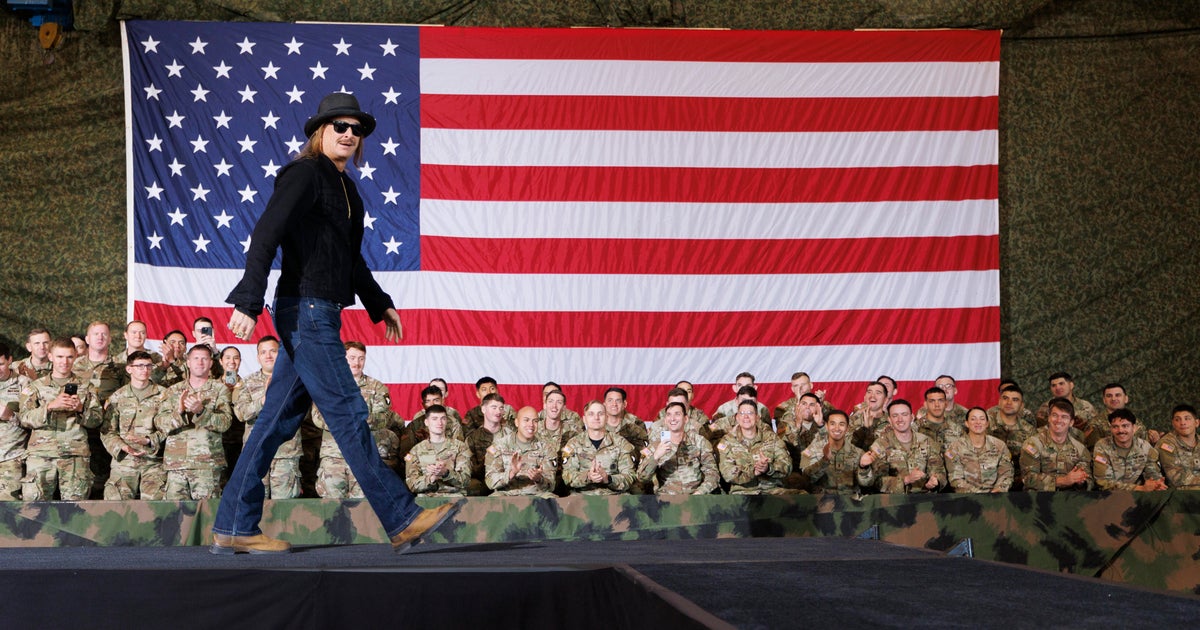
The singer revealed that he had previously spoken to pilots at Fort Campbell during a Thanksgiving celebration the year before, an event he attended alongside Vice President JD Vance. During that encounter, Kid Rock said he told the pilots they were “always welcome” to cruise by his house. In his interview with WKRN, he expressed the view that if flying by his property made the pilots happy, then “it’s a great thing” and “it’s harmless.” This casual attitude toward military protocol and the use of government resources reflects a perspective that personal relationships and gestures of appreciation for service members should take precedence over strict adherence to regulations.
Questions About Protocol and Accountability
The incident raised important questions about military discipline, the proper use of military equipment, and whether different standards apply based on political connections. Apache helicopters are combat aircraft designed for military operations, not for courtesy flyovers of celebrity homes. The fuel, maintenance, and operational costs for these aircraft are paid for by taxpayers, and their use is supposed to be strictly controlled and documented. When military pilots deviate from approved flight plans or use their missions as opportunities for personal gestures, it can create concerns about accountability and the equitable application of military regulations.
Critics of the decision to drop the investigation might argue that it sends a problematic message about military professionalism and the chain of command. If pilots can alter their training missions to perform impromptu flyovers for politically connected celebrities without facing consequences, it could undermine the discipline that is essential to military effectiveness. On the other hand, supporters might contend that the pilots were simply showing respect to someone who has been supportive of the military and that the brief detour caused no harm or safety concerns. The debate touches on larger questions about how the military maintains its non-political character while serving under civilian leadership that may have personal relationships with public figures.
Implications and Broader Context
The rapid reversal of the suspension by Defense Secretary Hegseth suggests that political considerations may have influenced the military’s handling of the situation. The decision to not only lift the suspensions but also to cancel the investigation entirely means that many questions about what actually happened will remain unanswered. Was the flyover planned in advance or a spontaneous decision by the pilots? Did they have proper authorization to deviate from their training route? Were any aviation safety protocols compromised? These questions, which the investigation was designed to answer, will now go unexplored.
This incident occurs within a broader context of debates about the military’s relationship with political figures and the importance of maintaining military neutrality and professionalism. While service members certainly have the right to their personal political views and can develop relationships with civilians who support the military, the line between personal expression and the use of military resources and authority is an important one to maintain. The fact that Kid Rock felt comfortable invoking his friendship with “the commander-in-chief” when discussing the incident, and that this situation was resolved so quickly in the pilots’ favor, may fuel concerns about whether political connections are influencing military decisions that should be based solely on regulations and professional standards. As the military continues to navigate its role in an increasingly polarized political environment, incidents like this one serve as reminders of the ongoing challenges in maintaining the armed forces’ reputation for impartiality and professionalism while serving under civilian leadership.