

El Paso Airport Faces Unprecedented 10-Day Flight Shutdown Due to Security Concerns
Understanding the Sudden Aviation Halt
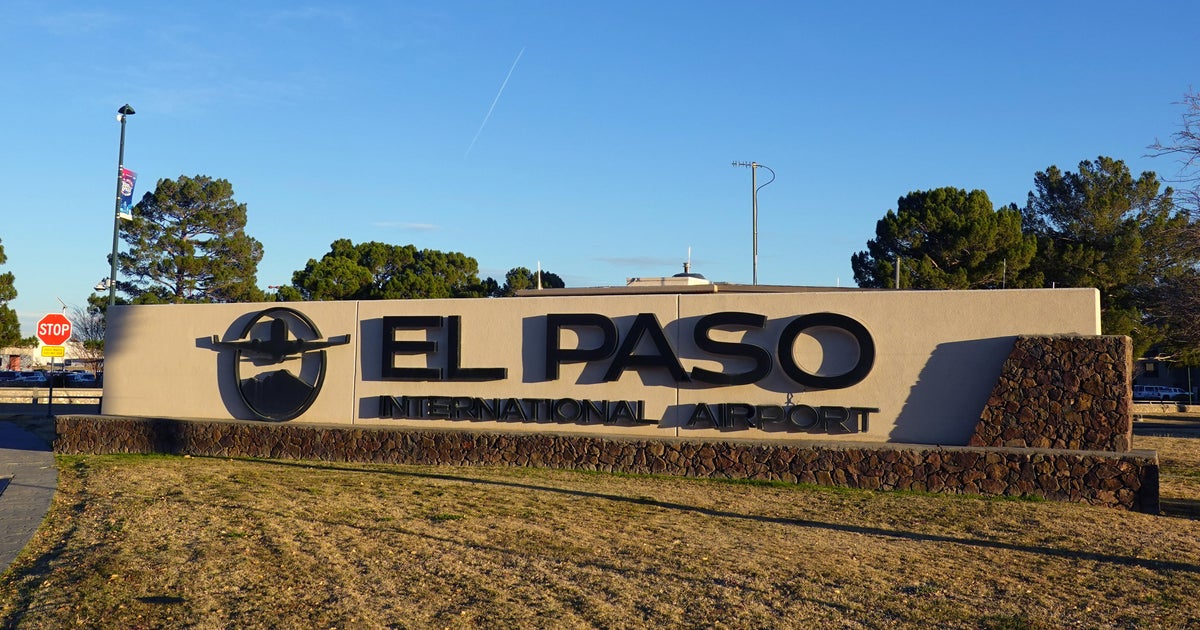
The Federal Aviation Administration has taken the extraordinary step of implementing a complete flight restriction affecting El Paso International Airport, leaving travelers, aviation experts, and local residents searching for answers. This isn’t just a brief delay or a weather-related postponement—it’s a comprehensive 10-day grounding that affects every type of aircraft operation in and out of the Texas border city. The restriction, which began on February 10 at 11:30 PM Mountain Standard Time and is scheduled to continue until February 20 at 11:30 PM MST, represents one of the most significant and mysterious aviation shutdowns in recent memory. What makes this situation particularly unusual is the FAA’s cryptic explanation, citing only “special security reasons” without providing any additional context or details about what specific concerns prompted such a drastic measure.
The Scope of the Restriction
The impact of this flight restriction cannot be understated. El Paso International Airport has confirmed that this isn’t a selective grounding affecting only certain types of operations—it’s an all-encompassing shutdown that includes commercial passenger flights, cargo operations, and general aviation activities. This means that whether you’re a business traveler trying to make an important meeting, a family heading out on vacation, a cargo company transporting goods, or a private pilot planning a recreational flight, you’re equally affected by this unprecedented restriction. The airport took to social media to inform the public about the situation, advising all travelers to contact their respective airlines directly to obtain the most current information about their flight status. This sweeping nature of the restriction suggests that whatever security concern prompted the FAA’s decision is serious enough to warrant completely clearing the airspace around El Paso for an extended period.
The Mystery Behind the Decision
What makes this situation particularly intriguing and concerning for many is the complete lack of transparency surrounding the reasons for the shutdown. While the FAA has the authority to restrict airspace for various reasons—including security threats, military operations, VIP movements, or emergency situations—they typically provide at least some general information about the nature of the restriction. In this case, the vague reference to “special security reasons” has left everyone from aviation industry professionals to local residents speculating about what could necessitate such an extreme measure. The proximity of El Paso to the U.S.-Mexico border, its location in a geopolitically sensitive area, and the current political climate have all contributed to various theories, though none have been confirmed by official sources. The silence from federal authorities has only deepened the mystery and, for some, increased anxiety about what might be happening behind the scenes.
Impact on Travelers and the Local Economy
The practical implications of this 10-day flight restriction are far-reaching and affect thousands of people. Passengers who had booked flights during this period now face the challenge of completely rearranging their travel plans, potentially missing important events, business meetings, or family gatherings. For El Paso residents, this means that the city is effectively cut off from air travel connections to the rest of the country and the world. The economic impact extends beyond just inconvenienced travelers—airlines will lose revenue, airport workers may face reduced hours or temporary unemployment, hotels and tourism-related businesses could see cancellations, and cargo operations that depend on air freight will need to find alternative, likely more expensive and time-consuming, transportation methods. Local businesses that rely on visitors arriving by air or on timely delivery of goods via air cargo are particularly vulnerable during this extended shutdown period.
Official Response and Information Gathering
In response to this developing situation, major news organizations including CBS News have reached out to both the Federal Aviation Administration and El Paso International Airport officials seeking additional information and clarification. However, as of the initial reports, no further details have been made available to the public. This lack of communication has created a challenging situation for airport staff, airline representatives, and local officials who must manage public concerns and questions while having very little information themselves to share. The airport’s social media advisory represents the extent of official communication available to the public, directing people to contact airlines for specific flight information but offering no insight into when normal operations might resume or what circumstances might lead to an earlier lifting of the restriction. This information vacuum has left many feeling frustrated and uncertain, particularly those whose livelihoods or important personal plans depend on air travel through El Paso.
Looking Ahead: Questions and Concerns
As this situation continues to unfold, numerous questions remain unanswered. Will the restriction actually last the full 10 days, or could it be lifted earlier if whatever security concern prompted it is resolved? Conversely, could it be extended if the situation warrants continued caution? What exactly constitutes the “special security reasons” that justified such a sweeping measure? How are federal, state, and local authorities coordinating to address whatever threat or situation exists? And perhaps most importantly for affected travelers and businesses, what contingency plans are being put in place to minimize disruption and ensure public safety? The coming days will likely bring more information as officials balance security concerns with the public’s right to understand significant disruptions to normal life. For now, anyone with travel plans involving El Paso International Airport should remain in close contact with their airlines, remain flexible with their schedules, and prepare for potential significant disruptions. This event serves as a reminder of the complex security challenges faced in border regions and the extraordinary measures that authorities sometimes deem necessary to protect public safety, even when those measures create significant inconvenience and economic impact.