


Defense Secretary Hegseth Authorizes Personal Firearms on Military Bases
A Major Shift in Military Security Policy
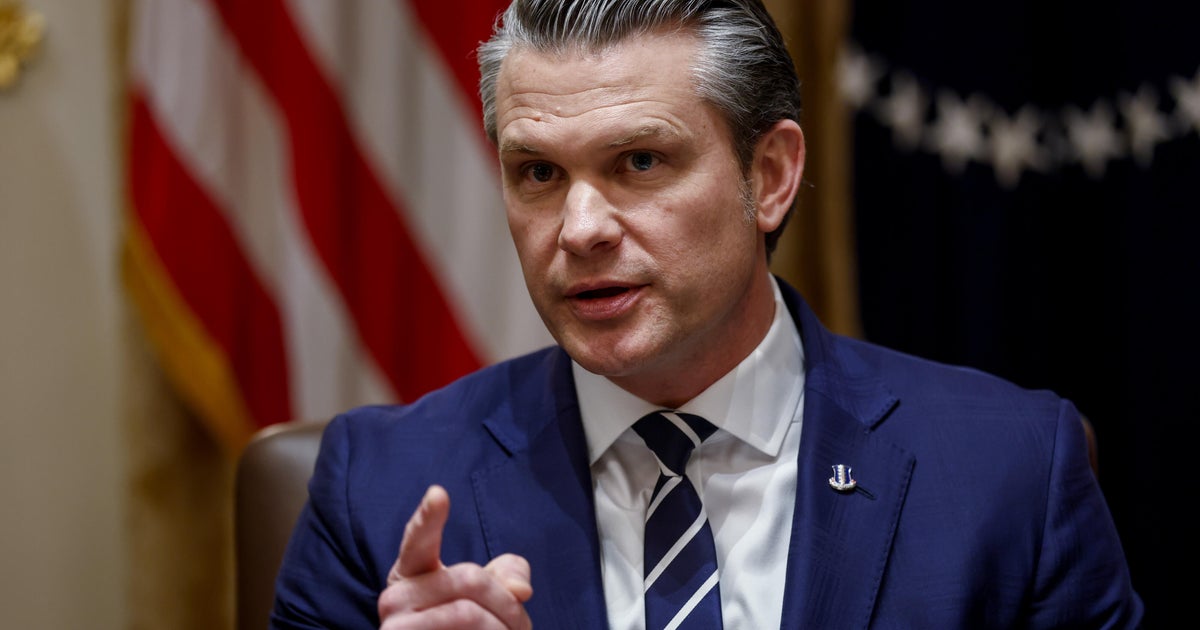
Defense Secretary Pete Hegseth announced a significant change to longstanding military policy on Thursday, allowing service members to carry their personal firearms onto military installations across the country. In a video message shared on social media platform X, Hegseth explained that he would be signing a memo directing base commanders to approve requests from troops who want to bring their privately owned weapons onto base for personal protection. This represents a fundamental departure from decades of military tradition and security protocols. Under the new directive, base commanders must operate with the assumption that such requests are necessary for personal safety, and any denial must come with a detailed written explanation. Hegseth framed his decision around Second Amendment rights and pointed to several recent shooting incidents on military bases as justification for the policy change. He argued that military installations had essentially become “gun-free zones” where service members couldn’t carry personal firearms for protection unless they were actively training or serving as military police.
The Historical Context and Recent Incidents
The question of whether service members should have access to personal weapons on base has surfaced repeatedly over the years, particularly following tragic shooting events at military installations. These incidents have ranged from isolated confrontations between individual service members to devastating mass casualty situations that shocked the nation. Perhaps the most notorious example occurred in 2009 when an Army psychiatrist opened fire at Fort Hood in Texas, killing 13 people and wounding dozens more. More recently, a shooting at Fort Stewart in Georgia injured five soldiers last year when an Army sergeant who worked at the base used his personal handgun in the attack. Fellow soldiers heroically tackled and subdued the shooter, who was subsequently arrested and now faces charges including attempted murder, with Army prosecutors indicating he plans to plead guilty. Hegseth emphasized these incidents in his announcement, arguing that “minutes are a lifetime” in such situations and that service members possess both the courage and training necessary to respond effectively during those critical moments. His perspective suggests that armed service members could potentially stop threats more quickly than waiting for military police to respond.
Current Military Firearms Regulations
The existing Defense Department policy has maintained strict controls over personal weapons on military bases for decades, requiring service members to obtain permission from senior commanders before bringing firearms onto installations. When permission is granted, there are rigorous protocols governing how these weapons must be stored, typically in secure armories or designated storage facilities. Under normal circumstances, military personnel must formally check out their personal guns from these secure locations when they want to use them for authorized purposes such as visiting on-base hunting areas or shooting ranges. Once they’ve finished their sanctioned activities, they’re required to check all firearms back into storage promptly. Outside of these specific scenarios—shooting ranges, designated hunting areas, or training exercises—military police have traditionally been the primary armed presence on bases. Even when soldiers train with their service-issued weapons, these firearms typically remain unloaded until actual training exercises require live ammunition. This careful system of checks and balances was designed to minimize risks while still allowing service members to maintain their shooting skills and enjoy recreational activities. The policy has remained relatively unchanged through multiple administrations from both political parties, reflecting a bipartisan consensus about military base security.
Concerns from Gun Violence Prevention Advocates
Tanya Schardt, senior counsel at the Brady organization, which focuses on preventing gun violence, expressed serious concerns about Hegseth’s policy reversal in a statement to The Associated Press. She noted that Defense Department leadership and the military’s highest-ranking officers have historically opposed relaxing these firearms restrictions, and the current policy was originally established under President George H.W. Bush, a Republican with extensive military experience. Schardt highlighted a particularly troubling statistic: most active duty service members who die by suicide use personally owned weapons rather than military-issued firearms. This correlation raises fears that easier access to personal firearms on base could lead to more impulsive acts of self-harm. She warned that the policy change would “undoubtedly be an increase in gun suicide and other gun violence” on military installations. Supporting these concerns, a Pentagon report released just Tuesday revealed that while fewer American service members died by suicide in 2024 compared to the previous year, the overall suicide rate among active duty troops has been gradually climbing since 2011. Schardt also challenged Hegseth’s characterization of military bases as inadequately protected, stating that “our military installations are among the most guarded, protected properties in the world, and they’ve never been ‘gun-free zones.'” She argued that if violent crime on military installations has truly become a serious problem, the Defense Secretary has an obligation to provide transparent information to the American public and explain his comprehensive strategy for preventing such crimes rather than simply loosening gun restrictions.
Part of a Broader Pattern of Policy Changes
Hegseth’s decision to relax firearm regulations represents just the latest in a series of sweeping changes the defense secretary has implemented since taking office. Throughout his tenure at the Pentagon, Hegseth has positioned himself as a warrior against what he characterizes as “woke” policies that he believes have weakened military effectiveness and morale. His reform agenda has touched virtually every aspect of military life and culture, from fundamental equal opportunity policies to seemingly minor details like grooming standards and physical fitness requirements. The scope of his changes has been remarkably broad, affecting how the military educates its officers, maintains its libraries, and even provides spiritual guidance to troops. In a particularly controversial move, the military has begun severing relationships with top graduate school programs that Hegseth has labeled “woke breeding grounds,” apparently concerned that these institutions are instilling values he considers incompatible with military effectiveness. He has also directed military libraries to identify books promoting diversity, equity, and inclusion initiatives, with instructions to remove some of these materials. Last week, Hegseth announced significant reforms to the military’s Chaplain Corps, though details of those changes remain somewhat unclear. Beyond policy changes, Hegseth has also orchestrated the removal of several high-ranking military officials, most recently Army Chief of Staff Gen. Randy George, who was asked to take immediate retirement on Thursday in what many observers viewed as a sudden and unexpected move.
Questions About the Road Ahead
As this new firearms policy begins to take effect across military installations nationwide, numerous questions remain unanswered about its practical implementation and potential consequences. Base commanders will now face the challenging task of evaluating individual requests to carry personal weapons while balancing security concerns, the mental health of their troops, and the new presumption that such requests should be approved. The memo’s requirement for detailed written explanations of any denials may create significant administrative burdens and potential legal challenges. Military mental health professionals, already struggling with rising suicide rates, will likely need to develop new protocols for risk assessment when service members have constant access to personal firearms. Law enforcement on bases may need retraining to operate in an environment where armed personnel are much more common, potentially complicating their response to incidents. The policy also raises questions about how it might affect recruitment and retention, as some potential service members or their families might feel less safe in an environment with more firearms, while others might view it as a positive change. The coming months will reveal whether Hegseth’s bet—that armed service members will enhance base security and deter potential threats—proves accurate, or whether critics’ warnings about increased suicide and accidental shootings come to pass. Regardless of outcomes, this policy represents a fundamental rethinking of how America protects its military personnel on their own bases, marking one of the most significant shifts in military security policy in recent decades.