



Understanding America’s New Fight Against Microplastics: A Groundbreaking Initiative
A Historic Step Toward Protecting Public Health
The United States is taking unprecedented action to address one of the most pervasive and mysterious threats to human health in modern times. Health and Human Services Secretary Robert F. Kennedy Jr. announced on Thursday a groundbreaking $144 million national program designed to study microplastics and their effects on the human body. This initiative, dubbed STOMP (Systemic Targeting of MicroPlastics), represents the first coordinated federal effort to understand and combat the presence of these tiny plastic particles that have infiltrated virtually every corner of our environment and, increasingly, our bodies. The program brings together toxicologists, data scientists, and other leading experts with a clear mission: develop standardized tools to detect and measure microplastics in human tissue, understand how they affect our health, and find ways to remove them from our bodies. Kennedy’s announcement was stark and urgent, emphasizing that “we are not dealing with a distant or theoretical risk. We are dealing with a measurable, growing presence inside the human body.” His words were backed by mounting scientific evidence showing microplastics have been found in human organs, blood, and even the placenta, raising serious concerns about their potential to cause harm across generations.
Understanding the Microplastic Threat and Who’s Most at Risk
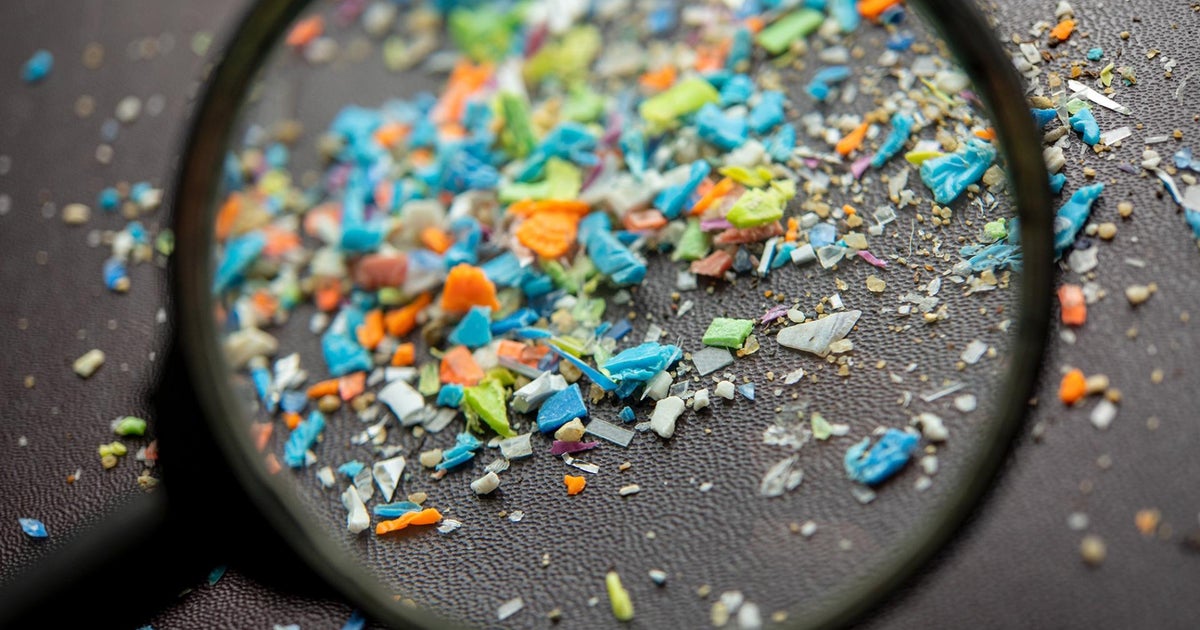
Microplastics are fragments of plastic less than five millimeters in size—smaller than a grain of rice—that have broken down from larger plastic items. They enter our environment and bodies through multiple pathways: littering, storm runoff, degradation of plastic products, and countless other routes that reflect our modern dependence on plastic materials. What makes these particles particularly concerning is their ability to bypass traditional water filtration systems, according to the World Health Organization, meaning they flow freely through our water supply and into our homes. Once in our bodies, research has detected them in blood, organs, and tissues, though scientists are still working to understand the full scope of their health impacts. The STOMP program will prioritize research on populations considered most vulnerable to potential harm from microplastic exposure, including pregnant individuals whose developing babies might be affected, children whose growing bodies may be more susceptible to environmental toxins, and workers in industries with high exposure rates such as plastics manufacturing, waste management, and recycling facilities. This targeted approach acknowledges that while microplastics affect everyone, certain groups face heightened risks that demand immediate attention and protection.
EPA Takes Action: Adding Microplastics to the Watch List
In coordinated action with the HHS announcement, Environmental Protection Agency Administrator Lee Zeldin revealed that the EPA is adding microplastics to its Contaminant Candidate List (CCL) for the first time. This may sound like bureaucratic procedure, but it represents a significant step in the regulatory process. The CCL identifies substances that aren’t currently regulated in drinking water but are “known or anticipated to occur in public water systems” and warrant further investigation. While adding microplastics to this list doesn’t immediately regulate or restrict their use, it does something equally important: it prioritizes federal funding, research efforts, and data collection specifically focused on understanding how microplastics affect drinking water quality and human health. Zeldin framed this action as “a direct response to the concern of millions of Americans who have long demanded answers about what they and their families are drinking every day.” The draft list, called CCL 6, also adds pharmaceuticals as a new category of concern, recognizing that medications enter water supplies through human waste and improper disposal, creating another layer of contamination that requires scientific scrutiny and potential regulation.
The Long Road Ahead: From Recognition to Regulation
Dr. Celine Gounder, a CBS News medical contributor and public health expert, provided important context about what these announcements actually mean for immediate protection. She emphasized that adding microplastics to the Contaminant Candidate List is “the beginning of a long timeline, not the end of one.” While researchers have documented that microplastics are widespread in water and human bodies, suggesting potential health risks, regulatory agencies need a much higher standard of evidence before they can legally set limits on these contaminants. Several major obstacles stand in the way of quick regulatory action. First, there’s no standardized system for measuring microplastics, making it difficult to compare findings across different studies or establish consistent baselines. Second, there’s no comprehensive national data showing actual microplastic levels in drinking water systems across the country. Third, scientists need to establish “clearer evidence linking typical exposure levels to specific health outcomes”—in other words, proving definitively that certain amounts of microplastic exposure cause specific health problems. The draft CCL 6 list will undergo a 60-day public comment period before being finalized, and the EPA must consult with its independent Science Advisory Board. The list isn’t expected to be officially signed until November 17, 2026, demonstrating just how deliberate this regulatory process must be.
What’s Changing in Water Contaminant Monitoring
The new draft list represents a significant evolution in what federal authorities are watching for in our drinking water. The current list, CCL 5, includes 66 individual chemicals, 12 microbes, and three chemical groups: PFAS (forever chemicals), disinfection byproducts, and cyanotoxins. The proposed CCL 6 expands this to 75 individual chemicals, nine microbes, and four chemical groups by adding pharmaceuticals and microplastics while removing cyanotoxins as a separate category. The EPA has also released human health benchmarks for 374 different pharmaceuticals, giving local and state authorities what Zeldin called “a critical new tool to assess risk and take action when drug residues are found at concerning levels.” This pharmaceutical focus acknowledges an uncomfortable reality: medications designed to help us when taken properly can become environmental contaminants when they pass through our bodies or are improperly disposed of down drains and toilets. The expanded monitoring reflects growing scientific awareness that our water systems face contamination from sources that previous generations never had to consider, from the breakdown of plastic products that didn’t exist a century ago to pharmaceutical compounds that have proliferated in recent decades.
What You Can Do Now: Practical Steps for Reducing Exposure
While waiting for regulatory frameworks to catch up with scientific understanding, individuals and families aren’t entirely powerless against microplastic exposure. Dr. Gounder recommends several practical steps that can reduce your contact with these particles. First, avoid bottled water—ironically, bottles intended to provide clean drinking water can actually be a significant source of microplastic exposure as particles leach from the container itself. Second, never heat food in plastic containers, as heat can accelerate the breakdown of plastic and increase the transfer of particles into your food. Third, work on improving indoor air quality, since water and air are the two major pathways through which microplastics enter our bodies; this might include using air purifiers, ventilating your home regularly, and reducing plastic items that can shed particles. However, Gounder acknowledges the sobering reality that completely avoiding microplastics is impossible given their widespread presence in our environment. They’re in the air we breathe, the water we drink, the food we eat, and countless products we use daily. This pervasive contamination is precisely why federal programs like STOMP are so crucial—individual action can help reduce exposure, but only coordinated research, regulation, and systemic change can address the root of this environmental health challenge. The announcements from HHS and EPA represent important first steps, but the journey toward truly understanding and controlling microplastic contamination will be measured in years, not months, requiring sustained commitment, funding, and public engagement.