


High-Stakes Briefing: Trump Administration Makes Case for Potential Iran Strike
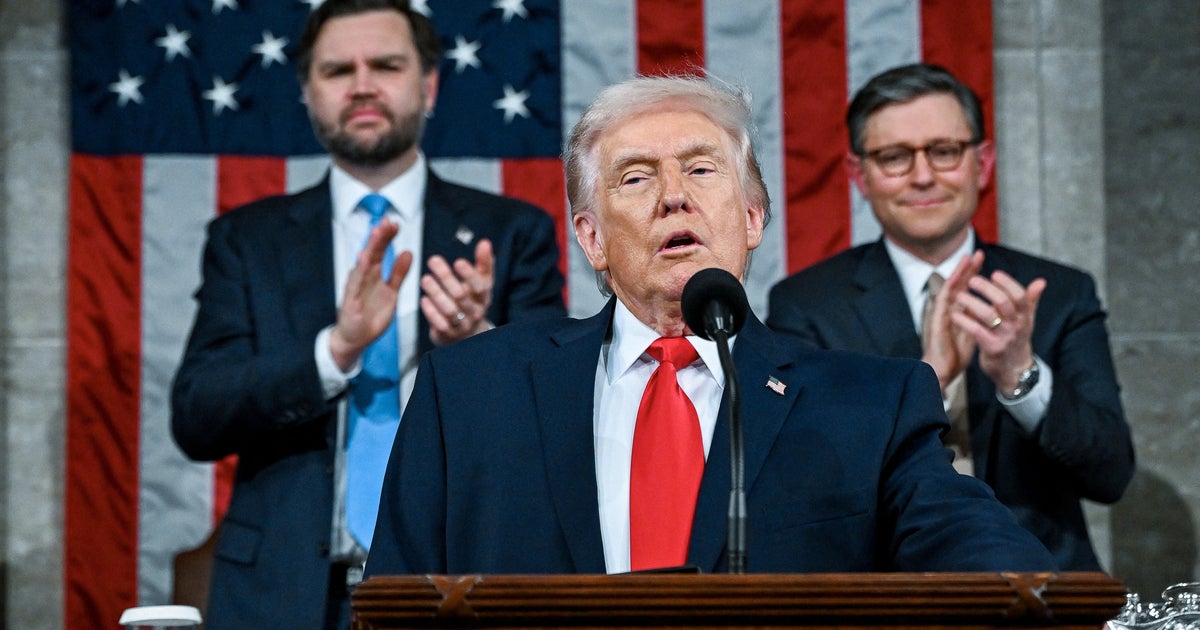
In a significant development that underscores growing tensions between Washington and Tehran, top U.S. officials recently gathered with congressional leaders to discuss the possibility of military action against Iran. Secretary of State Marco Rubio and CIA Director John Ratcliffe convened a classified briefing with the Gang of Eight—an exclusive group of lawmakers that includes leadership from both the House and Senate, along with the ranking members of the intelligence committees from both parties. This meeting came just hours before President Trump was scheduled to address the nation, potentially laying out his rationale for strikes against the long-standing adversary. The urgency and sensitivity of these discussions reflect the serious nature of the situation, with America’s relationship with Iran reaching what many consider a critical juncture. The Gang of Eight briefings are reserved for the most sensitive national security matters, signaling that the administration views the Iran situation as requiring the highest level of congressional awareness, even as questions swirl about whether formal authorization for military action will be sought.
Trump’s Ultimatum and Warning to Iran
The backdrop to this high-level briefing includes increasingly forceful statements from President Trump regarding Iran. Last week, the president made headlines by calling for what he termed a “meaningful deal” with the Islamic Republic, while simultaneously issuing stark warnings about consequences if such an agreement doesn’t materialize. “Bad things will happen” without a deal, Trump cautioned, leaving little to the imagination about what those consequences might entail. Perhaps most significantly, the president put Iran on a tight timeline, stating that the country has somewhere between 10 to 15 days to reach an agreement with the United States. Adding to the tension, Trump publicly acknowledged that his administration is actively considering what he described as a “limited military strike” against Iranian targets. This combination of diplomatic overture and military threat represents a familiar pattern in Trump’s approach to foreign adversaries—offering the carrot of negotiation while wielding the stick of potential force. The question now facing lawmakers, analysts, and the American public is whether this represents genuine preparation for military action or a negotiating tactic designed to bring Iran to the table on terms more favorable to U.S. interests.
Democratic Leaders Demand Public Justification
Following the classified briefing, Democratic leaders wasted no time in calling for greater transparency and public explanation from the Trump administration. Senate Minority Leader Chuck Schumer, representing New York, emerged from the session with a clear message for reporters: “This is serious, and the administration has to make its case to the American people.” Schumer’s statement reflects the fundamental tension between executive power in matters of national security and the public’s right to understand why their country might be heading toward military conflict. Similarly, Senator Mark Warner of Virginia, who serves as the top Democrat on the Senate Intelligence Committee and therefore has access to some of the nation’s most closely guarded secrets, emphasized the president’s obligation to explain his thinking beyond the confines of classified briefings. Warner stressed that Americans deserve to know what their country’s goals are in the region, what interests are at stake, and how the administration plans to protect those interests. “Maybe we’ll hear that tonight, but if we don’t hear it tonight, we need to hear it very, very, very soon,” Warner told reporters, his repetition of “very” underscoring the urgency he feels about public communication on this matter. These Democratic responses suggest skepticism about the necessity or wisdom of military action against Iran, while also acknowledging the seriousness of whatever intelligence was shared during the briefing.
Bipartisan Congressional Push to Assert War Powers
Perhaps most remarkably, the Iran situation has prompted what appears to be an emerging bipartisan effort to reassert congressional authority over decisions to go to war. Democratic Representative Ro Khanna of California and Republican Representative Thomas Massie of Kentucky—lawmakers who don’t often find themselves on the same side of issues—have announced plans to force a vote on a war powers resolution next week. This unusual alliance demonstrates how concerns about unchecked executive authority in military matters can transcend typical partisan divisions. War powers resolutions are legislative tools designed to invoke the War Powers Act, a 1973 law passed in the aftermath of the Vietnam War that was intended to check the president’s ability to commit the nation to military action without congressional approval. The House’s bipartisan effort is being matched in the Senate, where Democratic Senator Tim Kaine of Virginia has indicated he will bring forward a similar resolution aimed at limiting military action against Iran unless Congress explicitly authorizes it. Kaine, who has made reasserting congressional war powers something of a personal crusade throughout his Senate tenure, sees the Iran situation as exactly the kind of scenario the Constitution’s framers intended to require legislative input. These congressional maneuvers set up a potential constitutional clash between the executive and legislative branches, with the scope of presidential power to initiate military action hanging in the balance.
The Constitutional and Political Stakes
The developing situation around potential Iran strikes raises fundamental questions about American governance and the balance of power established by the Constitution. The framers deliberately gave Congress, not the president, the power to declare war, reflecting their concern that a single executive should not be able to unilaterally commit the nation to armed conflict. However, decades of precedent, particularly since World War II, have seen presidents take increasingly expansive interpretations of their authority as Commander in Chief to use military force without explicit congressional authorization. Presidents of both parties have argued that they possess inherent authority to defend American interests and respond to threats, especially when time is of the essence. The Trump administration would likely argue that any action against Iran falls under the president’s constitutional authority to protect the nation and that Iran’s actions—whatever they may be—constitute a threat requiring a swift response that can’t wait for lengthy congressional debate. On the other hand, critics contend that offensive military strikes, as opposed to immediate responses to attacks in progress, require congressional authorization, particularly when they could lead to a broader conflict. The political stakes are equally significant, as support for or opposition to Iran strikes doesn’t break down along entirely predictable partisan lines, with some Republicans wary of another Middle Eastern entanglement and some Democrats potentially persuaded by intelligence about Iranian threats.
What Comes Next: Uncertainty and Consequences
As President Trump prepares to address the nation, the American public and the international community await clarity on several crucial questions. Will the president make a detailed public case for military action, including sharing at least some of the intelligence that informed his decision-making? Will he announce that strikes are imminent, already underway, or merely being considered as one option among many? How will Iran respond to both Trump’s ultimatum and any potential military action, and what might that mean for American personnel and interests throughout the Middle East? Beyond the immediate crisis, the Iran situation will likely have lasting implications for America’s approach to the region, its relationships with allies who may or may not support military action, and the domestic political debate about executive power and the use of force. If Congress does move forward with war powers resolutions, will enough Republicans join Democrats to pass them, and if they do, would President Trump veto such measures, potentially setting up an override attempt? The coming days and weeks will prove critical not just for U.S.-Iran relations but for fundamental questions about how America makes decisions about war and peace. Whatever happens, the briefing of the Gang of Eight and the congressional response to it demonstrate that even in an era of deep partisan division, questions of war and constitutional authority can still prompt serious debate about the kind of country America wants to be and how its government should function when considering the gravest of decisions.