

Pentagon Leadership Addresses Growing Tensions in the Strait of Hormuz
High-Stakes Press Conference Amid Fragile Ceasefire
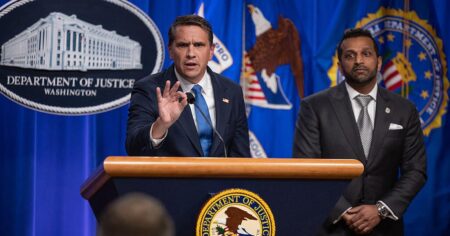
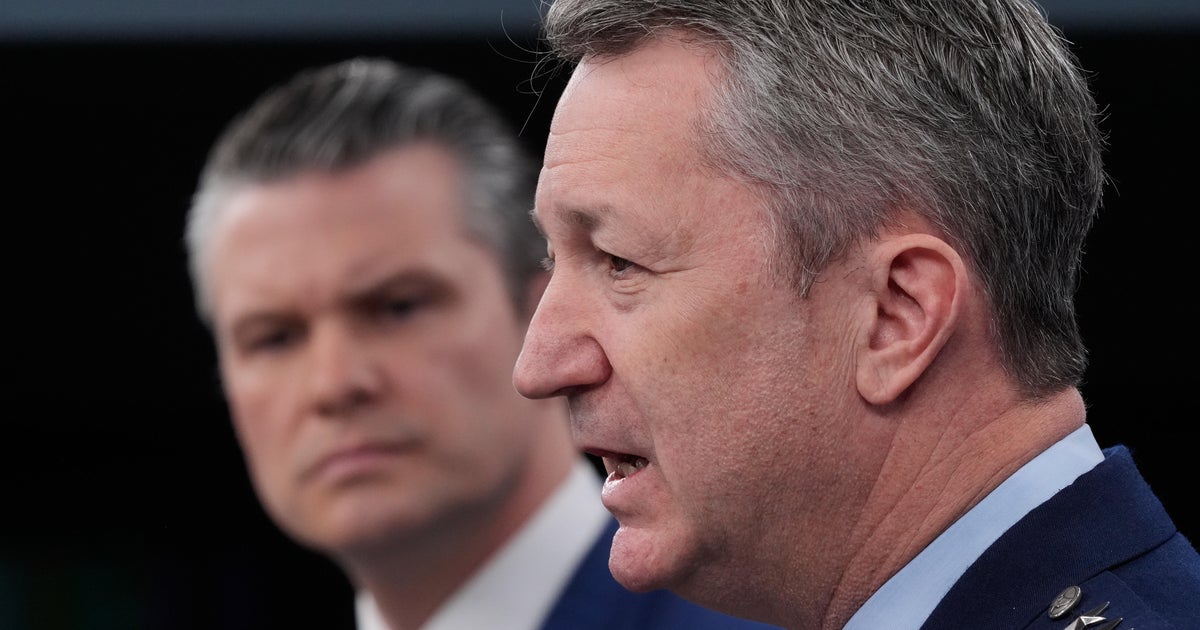
This Friday morning, Americans will hear directly from the nation’s top military leadership as they navigate one of the most delicate international crises in recent memory. Defense Secretary Pete Hegseth and General Dan Caine, the Chairman of the Joint Chiefs of Staff, are scheduled to brief the press at 8 a.m. Eastern Time about the ongoing situation with Iran. This isn’t their first rodeo – the two have stood before reporters multiple times since Operation Epic Fury kicked off in late February, but the stakes seem to grow higher with each passing week. While guns have fallen silent for now, the U.S. and Iran continue to engage in what amounts to a high-stakes chess match over one of the world’s most critical waterways. The American people deserve answers about what’s happening in the Strait of Hormuz, and more importantly, what comes next for U.S. service members deployed in harm’s way.
A Ceasefire in Name, But Competition Continues
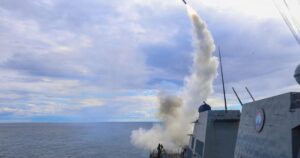
The current ceasefire between the United States and Iran might technically be holding, but calling it “peaceful” would be stretching the truth. Think of it less as a truce and more as a tense standoff where both nations are testing each other’s resolve without actually firing shots. President Trump has ordered American forces to blockade Iranian ports, and so far, U.S. Central Command reports turning away more than 30 ships attempting to reach Iranian harbors. It’s economic warfare, pure and simple, designed to squeeze Iran’s leadership into making concessions. Meanwhile, Iran isn’t sitting idle. They’ve begun asserting control over shipping traffic passing through the Strait of Hormuz, even going so far as to claim they collected their first toll revenue from vessels using the waterway on Thursday. For context, the Strait of Hormuz isn’t just any shipping lane – under normal circumstances, roughly one-fifth of the world’s oil passes through this narrow chokepoint. What happens here affects gas prices in Ohio, manufacturing costs in Michigan, and virtually every corner of the American economy.
Tit-for-Tat Vessel Seizures Raise the Temperature
The situation has grown increasingly tense over recent days, with both countries playing a dangerous game of one-upmanship on the water. American forces intercepted and boarded two oil tankers with connections to Iran, asserting U.S. authority over maritime traffic in the region. Iran responded in kind, attacking and allegedly boarding at least two cargo ships navigating through the strait. On Thursday, Iran’s Revolutionary Guards released a heavily edited video purporting to show masked commandos speeding toward two cargo vessels in small boats before scaling the sides and taking control. It’s the kind of footage designed to project strength and send a message, though how much is propaganda and how much represents Iran’s actual capabilities remains unclear. Thankfully, the Philippine government confirmed that 15 Filipino seafarers aboard vessels seized by Iran are “safe and unharmed,” offering at least some relief to families anxiously watching events unfold half a world away. President Trump struck a confident tone Thursday, declaring that the United States has “total control” over the Strait of Hormuz. He went further, directing the military to “shoot and kill” any Iranian vessels caught attempting to place mines in the waterway – a stark warning that shows just how seriously the administration views potential threats to international shipping. Despite these assurances, shipping traffic through the strait remains dramatically reduced compared to pre-conflict levels, a reality that continues to affect global energy markets.
Trump’s Strategy: Patience Mixed with Pressure
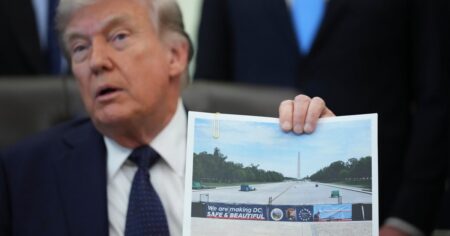
Earlier this week, President Trump made the significant decision to extend what was originally planned as a two-week ceasefire with Iran indefinitely. His reasoning? Iran’s leadership is, in his assessment, severely fractured and needs more time to get its house in order before meaningful negotiations can occur. Speaking to reporters Thursday, the president made clear that he’s willing to resume military operations against Iran if they refuse to engage in talks, but he emphasized he’s in no rush to pull that trigger. “I want to make the best deal. I could make a deal right now,” Trump said during an Oval Office event, later adding, “I don’t want to rush myself.” It’s classic Trump negotiating strategy – applying maximum pressure while leaving the door open for dialogue, all while projecting confidence that he holds the stronger hand. Whether this approach will yield the comprehensive agreement the administration seeks remains to be seen, but for now, the extended ceasefire gives both sides breathing room to explore what a deal might look like without the immediate pressure of ongoing military operations.
Regional Complications: The Israel-Lebanon Connection
The Iran situation doesn’t exist in a vacuum, and developments elsewhere in the Middle East continue to influence the bigger picture. On Thursday, Israel and Lebanon agreed to extend their ceasefire by an additional three weeks following negotiations at the White House between envoys from both nations. This might seem like a separate issue, but Lebanon could actually play a pivotal role in any lasting resolution with Iran, primarily because of Israel’s ongoing campaign against Hezbollah, the Iranian-backed militant group operating from Lebanese territory. Iran has made it clear they want Israel to halt operations against Hezbollah in Lebanon as part of any broader ceasefire arrangement. It’s a complex web of regional politics where conflicts overlap and influence each other in ways that can be difficult for Americans to follow from thousands of miles away. What happens between Israel and Lebanon directly affects Iran’s calculations, which in turn impacts American forces deployed in the region. The Trump administration appears to be treating these as interconnected challenges rather than separate problems, recognizing that a sustainable peace in the region requires addressing multiple flashpoints simultaneously.
Internal Pentagon Shake-Up Amid External Crisis
As if managing a potential war with Iran wasn’t challenging enough, this week also brought significant upheaval within the Pentagon’s leadership structure. Navy Secretary John Phelan departed his position at the direction of President Trump and Secretary Hegseth, adding another layer of uncertainty during an already volatile period. Trump attempted to soften the blow in comments to reporters Thursday, calling Phelan a “wonderful guy” while explaining that personality conflicts led to the decision. “He’s a hard charger, and he had some conflicts with some other people,” the president said. “Got to get along, especially in the military.” The timing is certainly eyebrow-raising, coming as it does while the Navy plays a crucial role in enforcing the blockade of Iranian ports and maintaining American presence in the Persian Gulf. Leadership transitions are never ideal during crisis situations, and military analysts will undoubtedly be watching closely to see whether this change disrupts operational effectiveness or proves to be merely a behind-the-scenes adjustment that doesn’t affect frontline forces. For the families of service members deployed in the region, any instability in Pentagon leadership adds another worry to an already stressful situation. As Friday’s press conference approaches, Americans will be listening carefully for reassurance that our military leadership has a clear strategy, speaks with one voice, and prioritizes the safety of our troops above all else.