


FBI Cracks Down on Medicare Fraud: Inside the Hospice Scandal That Shocked California
A Shocking Discovery in San Dimas
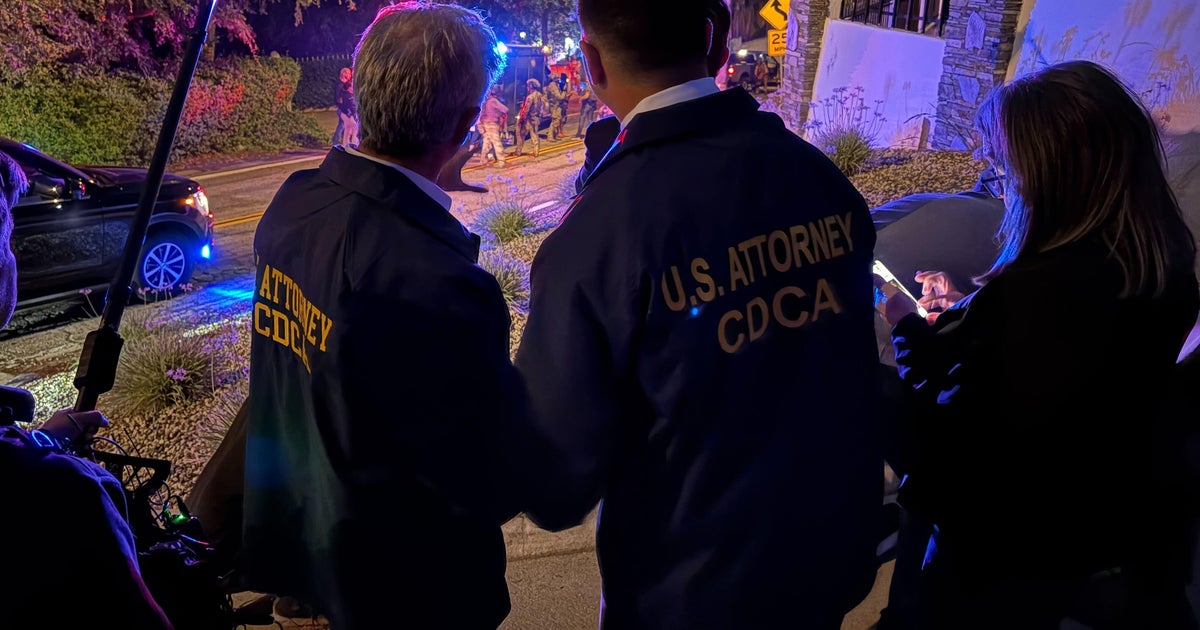
The quiet residential streets of San Dimas, California, were shattered by the sound of FBI loudspeakers early Thursday morning as federal agents descended on a seemingly ordinary home. What unfolded was the beginning of a major crackdown on what authorities believe is one of the most brazen Medicare fraud schemes in recent memory. At the center of it all were Gladwin and Amelou Gill, a married couple—a doctor and psychologist—who co-owned 626 Hospice, operating under the name St. Francis Palliative Care. The charges against them were staggering: fraudulently billing Medicare for $7.45 million while running a hospice facility that reported something almost unheard of in the industry—a survival rate of more than 97% after five years. To put this in perspective, hospice care is designed for people in the final stages of terminal illness, where the expectation is that patients have six months or less to live. A survival rate this high is essentially a neon sign flashing “something is very wrong here.” Federal officials confirmed to CBS News that the Gills were just the first in a series of arrests planned for that day, signaling that this was merely the tip of a much larger iceberg of healthcare fraud that has been festering, particularly in Southern California.
When the Numbers Don’t Add Up: Red Flags Everywhere
The extraordinarily high survival rate at the Gills’ hospice wasn’t just unusual—it was one of several red flags that state auditors have identified as classic indicators of fraud in the hospice industry. The concept is straightforward: hospice care is meant for people who are dying, and Medicare reimburses providers for delivering comfort-focused palliative care during those final months. When patients aren’t actually dying, or when they’re enrolled without proper medical justification, providers can essentially print money by collecting federal reimbursements for care that either isn’t needed or isn’t being provided at all. In some past fraud cases, operators were discovered using false or stolen identities to collect these federal payments, enrolling people who had no idea they were supposedly receiving hospice services. The scale of the problem in Los Angeles County alone is mind-boggling. A months-long CBS News investigation examined the business and financial records of every hospice currently operating in the county, applying the warning signs identified in a 2022 state audit. The results were shocking: over 700 of the roughly 1,800 hospices in LA County—that’s nearly 40%—triggered multiple red flags for potential fraud. These warning signs included suspiciously low patient counts, excessive billing patterns, staff members shared across multiple companies (a common tactic to obscure the true ownership and operation of fraudulent enterprises), and the discharge of supposedly terminally ill patients who turned out to be very much alive and not actually dying.
The Epidemic of Fraud: From Office Plazas to Prison Cells
Perhaps nothing illustrates the audacious nature of this fraud better than one particular office plaza in Los Angeles County that housed 89 registered hospices under one roof. Sheila Clark, a patient advocate who has been sounding the alarm about hospice fraud for years, called this location “ground zero” for Medicare hospice fraud. Think about that for a moment—89 separate hospice operations, all supposedly providing end-of-life care to dying patients, all crammed into a single office building. It’s an arrangement that makes no medical sense whatsoever but makes perfect sense as a front for billing fraud. The people involved in these schemes have proven to be remarkably creative and persistent. According to Bill Essayli, the United States Attorney for the Central District of California who was present at the scene of the arrests, officials were announcing charges against 15 defendants that day, with more than half accused of hospice fraud specifically. Even more disturbing, Essayli revealed that some of these fraudsters are actually in prison and are continuing to run their schemes by working with accomplices on the outside. The financial impact of this fraud is staggering. While the Gills alone are accused of stealing $7.45 million, that’s just one operation. The Department of Health and Human Services’ Office of the Inspector General reported in 2023 that suspected hospice fraud nationwide totaled an estimated $198.1 million. And those are just the cases that have been identified—the true number is likely much higher. Every dollar stolen comes directly from taxpayers, who fund Medicare through their paychecks and premiums, expecting that money to provide care for elderly and disabled Americans who genuinely need it.
When Healthcare Fraud Becomes Political Theater
What makes this situation even more complicated is how it has been pulled into the political arena. Hospice fraud in California has become a major talking point for Republicans in Washington, who have been using the issue as ammunition in attacks against prominent Democratic state leaders. Vice President JD Vance was recently placed in charge of an anti-fraud initiative, and Dr. Mehmet Oz, the Trump-appointed official who oversees the federal Medicare system, personally appeared at the scene of the arrests in San Dimas. CBS News cameras were rolling as FBI SWAT teams moved in, creating dramatic footage that would inevitably be used to illustrate the administration’s tough stance on fraud. When questions arose about whether the timing and publicity of these arrests were politically motivated, Essayli pushed back, noting that Thursday’s law enforcement actions were approved by a federal judge who signed arrest warrants in the case, suggesting these were legitimate criminal proceedings, not political stunts. California officials, for their part, have emphasized that while hospice fraud is indeed a serious problem in their state, it’s a nationwide issue, not something unique to California. They’ve also pointed out that state law enforcement agents have been investigating and conducting their own enforcement actions for several years, well before it became a national political issue. Last month, the Republican-led House Oversight Committee announced a formal investigation into what they called “rampant hospice fraud,” specifically citing the CBS News investigation in a letter to California Governor Gavin Newsom, a Democrat. The committee requested documents related to the state’s “oversight and internal controls to detect and prevent fraud for its federally funded hospice programs,” alleging that tens of millions in taxpayer funds may have been lost to improper payments to Southern California companies.
California’s Response: Playing Catch-Up
California Attorney General Rob Bonta, a Democrat, has been working to address the crisis, and his office has brought criminal fraud cases against more than 100 defendants in the hospice industry while filing about two dozen civil cases. On the surface, these numbers sound impressive—until you consider that over 700 hospices in Los Angeles County alone are showing red flags for fraud. Bonta himself acknowledged that much more needs to be done. “We need to be responsive to the red flags and react to them, not just count them,” Bonta said, in what amounts to an admission that the state has been aware of warning signs but hasn’t acted quickly or decisively enough. He explained that his office’s “main lane” is accountability through criminal and civil investigations, but admitted that “that’s after the damage is done though, unfortunately.” In other words, they’re catching fraudsters after they’ve already stolen millions of dollars from Medicare, rather than preventing the fraud from happening in the first place. The state has implemented a moratorium on issuing new hospice licenses, which was recently extended through January 2027 because California missed its deadline to enact new emergency regulations for the industry. Public health officials say they’re trying to balance public feedback while developing systems to properly vet new applicants and hold existing hospices accountable. Meanwhile, multiple state and federal agencies are working together on a task force specifically targeting hospice fraud, bringing together resources and expertise from different jurisdictions to tackle what has proven to be a complex and persistent problem.
The Human Cost of Healthcare Fraud
Behind all the numbers, political finger-pointing, and law enforcement operations, it’s important to remember what’s really at stake here. Medicare fraud doesn’t just waste taxpayer money—though at hundreds of millions of dollars, that’s certainly significant. These schemes also undermine the entire concept of hospice care, which is meant to provide dignity, comfort, and compassionate support to people in the final chapter of their lives. When fraudsters enroll people in hospice who aren’t actually dying, they’re not just committing billing fraud—they’re potentially interfering with medical care that people actually need. A person incorrectly enrolled in hospice might not receive aggressive treatment for a condition that could actually be managed or cured, because hospice care by definition has shifted away from curative treatment toward comfort care. Families trust that when their loved ones enter hospice, they’re receiving appropriate end-of-life care from qualified professionals who have their best interests at heart. The betrayal of that trust is profound. Attorney General Bonta seemed to recognize the frustration that many Californians feel about this situation. “So to the citizens that remain frustrated, I understand, I share your frustration, please know that we have increased our efforts,” he said. “We’re working overtime on prevention and accountability, and we will continue until hospice fraud in California is rooted out.” The arrests in San Dimas represent a significant step in that effort, but given the scale of the problem—with hundreds of suspect hospices still operating and billing Medicare—it’s clear that rooting out this fraud will require sustained effort, better oversight systems, and the political will to implement regulations that might be inconvenient for legitimate providers but necessary to protect one of America’s most important healthcare programs. The elderly and disabled Americans who depend on Medicare deserve better, and so do the taxpayers who fund it.