





Major Military Escalation: Israel Launches Coordinated Strike Against Iran
Months of Planning Culminate in Large-Scale Attack
The Middle East has been thrust into a dangerous new phase of conflict following a major Israeli military operation against Iran that reportedly was months in the making. According to official statements from the Israel Defense Forces, this wasn’t a spontaneous response to an immediate threat but rather a carefully orchestrated operation that had been planned for several months, with the specific timing determined weeks before execution. Israeli media outlets characterized the action as a “preemptive strike,” suggesting it was designed to neutralize threats before they materialized. However, perhaps most significantly, multiple credible sources including N12 and CNN have reported that this attack wasn’t a unilateral Israeli decision but was instead carried out in close coordination with the United States, indicating a level of strategic partnership between the two nations on this highly consequential military action. This coordination raises important questions about the extent of American involvement and whether this represents a fundamental shift in U.S. policy toward direct confrontation with Iran, even under a new administration that might have been expected to pursue different diplomatic approaches in the region.
Strategic Targets and Geographic Scope of the Strikes
The scope and precision of the attacks demonstrate the extensive intelligence gathering and operational planning that preceded them. According to reports from the Associated Press, one particularly significant strike occurred near the offices of Iran’s Supreme Leader, Ali Khamenei, in Tehran—a symbolically and strategically important target that sends a clear message about the capabilities and intentions of the attacking forces. Iranian officials were quick to assure the public that Khamenei was not in Tehran at the time and had been relocated to a secure location, suggesting that Iranian intelligence may have had some advance warning or that security protocols were already heightened. The explosions weren’t limited to the capital city but were heard across multiple Iranian urban centers including Isfahan, Qom, Karaj, and Kermanshah, indicating a coordinated, simultaneous assault on multiple fronts. The Iranian state news agency FAR confirmed that these explosions occurred simultaneously in several cities, painting a picture of a comprehensive military campaign rather than isolated strikes. Meanwhile, Israeli authorities took precautionary measures by closing Tel Aviv airspace through NOTAM (Notice to Airmen) from February 28 through March 3, suggesting expectations of potential retaliatory actions and the need to protect civilian aviation during this volatile period.
Trump Administration Confirms Direct U.S. Involvement
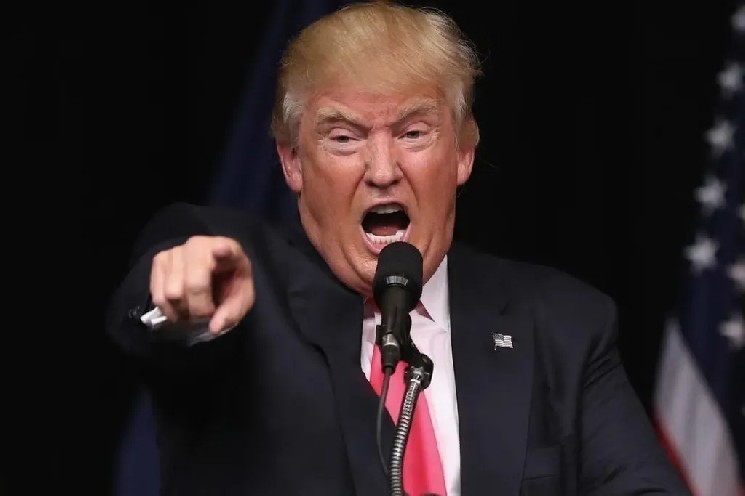
In a development that marks a significant departure from typical patterns of strategic ambiguity, former President Donald Trump directly confirmed American participation in the operation with surprisingly explicit language. Trump’s statement that “We recently launched large-scale combat operations in Iran” represents an unusually candid acknowledgment of direct military action, going beyond the typical carefully worded statements that usually characterize such sensitive operations. He specifically detailed the targeting priorities, stating that Iran’s missile infrastructure and missile industry were the primary objectives of the strikes—a strategic focus that makes sense given Iran’s demonstrated capacity to strike regional targets and its ongoing development of increasingly sophisticated missile technology. Trump went even further by threatening that Iran’s navy would be “destroyed,” an ominous warning that suggests the possibility of expanded operations beyond the initial strikes. In perhaps his most controversial statements, Trump directly addressed members of the Iranian Revolutionary Guard Corps, offering them immunity if they laid down their arms while threatening “certain death” if they continued to resist. He also delivered what were described as “harsh messages” directed at the Iranian people themselves, clearly attempting to distinguish between the Iranian government and its citizens while targeting his rhetoric at the current regime. The New York Times reported that U.S. officials expect the operation to continue over several days rather than being a one-time event, with American sources emphasizing that the attacks are carefully focused on military targets rather than civilian infrastructure, though such distinctions can become blurred in practice.
Iranian Response and Escalating Regional Tensions
As expected, Iran’s response to these attacks has been defiant, with officials signaling that retaliation is not only likely but inevitable. An Iranian official speaking to Reuters conveyed Tehran’s intentions clearly, stating that the government was actively preparing a retaliatory response and characterizing it as something that would be “overwhelming” in scope and impact. This wasn’t merely rhetorical posturing, as shortly after this statement, the IDF announced detection of a missile launched from Iranian territory toward Israel, representing the opening salvo of what could become a sustained exchange of fire between the two nations. The situation escalated rapidly from there, with air raid sirens sounding across northern Israel, prompting the IDF to announce that it had detected and was responding to a second wave of incoming missiles from Iran. This rapid escalation demonstrates how quickly such conflicts can spiral beyond the initial strikes into broader confrontations that endanger civilian populations on both sides. Israeli air defense systems, including the Iron Dome and other protective technologies, were placed on the highest state of alert as the country braced for what could be sustained missile attacks from Iranian forces or their regional proxies. The speed with which this situation evolved from the initial Israeli strikes to active missile exchanges illustrates the hair-trigger nature of Middle Eastern security dynamics, where single operations can quickly metastasize into broader regional conflicts involving multiple actors and potentially drawing in other nations with interests in the area.
Broader Geopolitical Implications and International Context
The timing and nature of this military escalation carry significant implications that extend well beyond the immediate Israel-Iran confrontation. Analysts and observers are carefully watching how this development might affect other ongoing international conflicts and negotiations. Interestingly, concurrent reporting indicated that Russia was reconsidering its participation in peace talks regarding Ukraine, with Moscow apparently conditioning continued negotiations on territorial concessions from Kyiv. While this might seem unrelated at first glance, it actually demonstrates how major powers are recalibrating their strategic positions across multiple theaters in response to shifting dynamics in the international order. The willingness of the United States to directly participate in operations against Iran, combined with the explicit nature of Trump’s statements about these actions, may signal to other nations that the rules of engagement and norms around military intervention are changing in ways that could affect calculations in conflicts from Eastern Europe to East Asia. Additionally, the coordination between Washington and Tel Aviv on this operation demonstrates the endurance of that strategic partnership despite occasional disagreements on other issues, sending messages to both allies and adversaries about the reliability of American security commitments. The decision to carry out such strikes also occurs against a complex backdrop of ongoing negotiations regarding Iran’s nuclear program, regional proxy conflicts involving Iranian-backed forces in Lebanon, Syria, Yemen, and Iraq, and the still-unresolved tensions from previous escalatory cycles between these nations.
Looking Forward: Uncertain Trajectories and Potential Consequences
As this situation continues to unfold in real-time, the international community faces significant uncertainty about where this escalation might lead and what the ultimate consequences will be for regional stability and global security. The multi-day nature of the planned operations, as reported by American officials to The New York Times, suggests that we are still in the early phases of what could become a sustained military campaign rather than witnessing an isolated incident that will quickly fade from headlines. The critical question now is whether Iran’s promised “overwhelming” response will materialize in a form that triggers further Israeli and American retaliation, potentially creating an escalatory spiral that could draw in other regional actors such as Hezbollah in Lebanon, various militia groups in Syria and Iraq, and possibly even state actors like Syria itself or non-state actors throughout the region who have relationships with Tehran. The economic implications alone could be substantial, particularly regarding oil markets and shipping through the strategically vital Strait of Hormuz, through which a significant percentage of the world’s oil supply passes daily. International diplomatic efforts will likely intensify to contain this crisis before it expands further, though the explicit nature of the military actions already taken and the public commitments made by leaders on both sides may limit the space available for face-saving de-escalation. What remains clear is that this represents one of the most significant direct confrontations between Israel and Iran in recent history, with American participation adding another layer of complexity and potential consequences that will reverberate across the region and beyond for months or even years to come.
This article provides information about current events and geopolitical developments and should not be construed as investment advice.









