


Pentagon Press Access Restrictions: Appeals Court Rules on Escort Requirements
Court Delivers Split Decision on Journalist Access
In a significant development for press freedom, a federal appeals court has ruled that the Department of Defense can enforce escort requirements for journalists working on Pentagon grounds while legal challenges to the Trump administration’s press access policies continue. The Monday ruling from a divided three-judge panel of the U.S. Court of Appeals for the District of Columbia Circuit represents a temporary setback for media organizations fighting for unrestricted access to the nation’s military headquarters. While this decision doesn’t end The New York Times’ lawsuit against the Pentagon, the majority opinion suggests that the Trump administration has a strong likelihood of proving that requiring escorts for journalists is within legal bounds. This ruling effectively suspends an earlier court decision that had sided with reporters, marking another chapter in an ongoing battle between government security concerns and the constitutional principles of press freedom.
The Origins of the Press Access Dispute
The current controversy began last fall when the Pentagon introduced sweeping new restrictions for reporters covering military affairs who needed daily access to the building. These requirements came in the form of a comprehensive policy that journalists had to formally agree to in order to maintain their access credentials. The restrictions were so extensive and concerning that numerous major media organizations refused to sign on, including industry heavyweights CBS News, ABC News, NBC News, CNN, and Fox News. Among the most troubling provisions was language suggesting that reporters who “solicit” sensitive information from military personnel could be labeled security risks and permanently banned from the Pentagon. This provision particularly alarmed press freedom advocates, as questioning sources and seeking information is fundamental to investigative journalism. The New York Times took the lead in challenging these restrictions through legal action, arguing that the policy violated constitutional protections for a free press and would severely hamper journalists’ ability to hold the military accountable to the American public.
Lower Court Victory and Pentagon’s Response
The Times initially found success in the courts when U.S. District Judge Paul Friedman ruled in their favor, striking down significant portions of the Pentagon’s press policy last month. Judge Friedman found that many of the restrictions were unconstitutional overreach, particularly the provision threatening reporters who sought sensitive information from military sources. His decision appeared to be a major victory for press freedom, restoring journalists’ ability to work within the Pentagon without excessive government interference. However, the Defense Department’s response demonstrated how government agencies can potentially circumvent unfavorable court rulings. Earlier this month, Judge Friedman had to issue another ruling after finding that the Pentagon violated his original order by introducing a revised press policy. This new policy effectively barred reporters from the building entirely unless they agreed to be accompanied by government escorts at all times—a requirement that many journalists and press freedom advocates view as fundamentally incompatible with independent reporting. This cat-and-mouse game between the Pentagon and the courts highlights the challenges of enforcing judicial decisions when dealing with powerful government agencies.
The Appeals Court’s Reasoning and Dissent
The appeals court panel that heard the government’s challenge was split along interesting lines that didn’t follow traditional partisan divides. Circuit Judges Justin Walker, a Trump nominee, and Bradley Garcia, a Biden nominee, formed the majority that sided with the Pentagon. Their key reasoning was straightforward but significant: “an agency may respond to an adverse ruling by adopting a revised policy.” This interpretation essentially gives government agencies considerable flexibility to work around court decisions that go against them, as long as the revised approach addresses the specific constitutional concerns raised by judges. However, Biden-appointed Circuit Judge J. Michelle Childs issued a passionate dissent that cut to the heart of why the escort requirement troubles press freedom advocates. “Reporters can hardly verify sources, gather information, or speak candidly with Department personnel with an escort looming over their shoulders,” she wrote, articulating the practical impossibility of conducting genuine journalism under constant government supervision. Her dissent recognizes that while escort requirements might sound reasonable on the surface, they fundamentally change the nature of reporting by creating a chilling effect on sources and preventing the kind of spontaneous interactions that often lead to important stories.
The Pentagon’s National Security Arguments
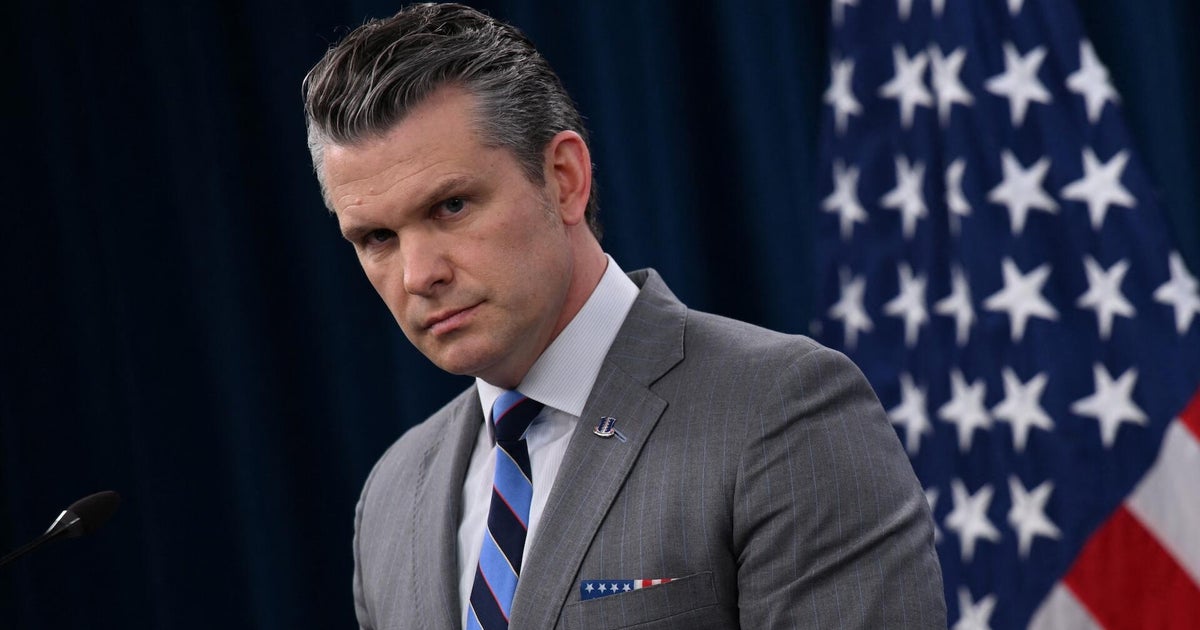
Defense Department spokesperson Sean Parnell welcomed the appeals court decision and offered the government’s justification for the restrictive press policies. According to Parnell, unescorted journalist access to the Pentagon has resulted in “regular unauthorized disclosure of sensitive and classified national defense information.” He argued that since implementing the current access policy requiring escorts, the Department has observed “a meaningful reduction in these unauthorized disclosures, which when they occur can endanger the lives of service members, intelligence personnel, and our allies.” This national security argument represents the core tension in this case: balancing the public’s right to know about military operations and policy against legitimate concerns about protecting sensitive information that could compromise operations or endanger lives. The Pentagon’s position is that the escort requirement serves as a necessary safeguard in an era when information spreads instantly and the consequences of unauthorized disclosures can be severe. However, critics counter that the government already has numerous tools to protect genuinely classified information and that this policy goes far beyond reasonable security measures into the realm of controlling the narrative and limiting accountability journalism.
Looking Ahead: The Broader Implications
Theodore Boutrous, the attorney representing The New York Times, sought to minimize the immediate impact of Monday’s ruling while maintaining confidence in the newspaper’s ultimate case. He characterized the panel’s decision as “a narrow, preliminary one” that “casts no doubt” on the strength of the constitutional arguments his client has raised. His statement to The Associated Press emphasized that “We look forward to defending the full scope of the district court’s rulings in The Times’s favor in this appeal,” suggesting that the legal battle is far from over. This case has implications that extend well beyond Pentagon press access, touching on fundamental questions about the relationship between government power and press freedom in the 21st century. As government agencies increasingly cite security concerns to limit journalist access and control information flow, courts will need to determine where to draw the line between legitimate security interests and the constitutional protections that have historically allowed the press to serve as a check on government power. The outcome of this case could set important precedents for how journalists access government facilities, interact with sources, and hold powerful institutions accountable across all branches of government. For now, journalists covering the Pentagon will work under escort supervision, but the larger legal and constitutional questions remain unresolved and will likely be debated in the courts for months or years to come.