


The Surprising Value of 2026 Winter Olympic Medals: When Gold Prices Make History
Rising Precious Metal Prices Transform Medal Worth
The 2026 Winter Olympics in Milan may go down in history not just for athletic achievements, but for the unprecedented monetary value of the medals themselves. Thanks to soaring gold and silver prices on global markets, the medals athletes receive could be worth significantly more than those awarded in previous Olympic Games. This development adds an interesting financial dimension to what are already priceless symbols of athletic excellence and years of dedicated training. While Olympic medals have always carried enormous sentimental and historical value, the current surge in precious metal prices means that even the basic material composition of these awards has reached remarkable levels. For athletes standing on the podium in Milan, they’ll be receiving not just recognition of their achievements, but also holding something with substantial intrinsic value in their hands.
The Evolution of Olympic Gold Medals
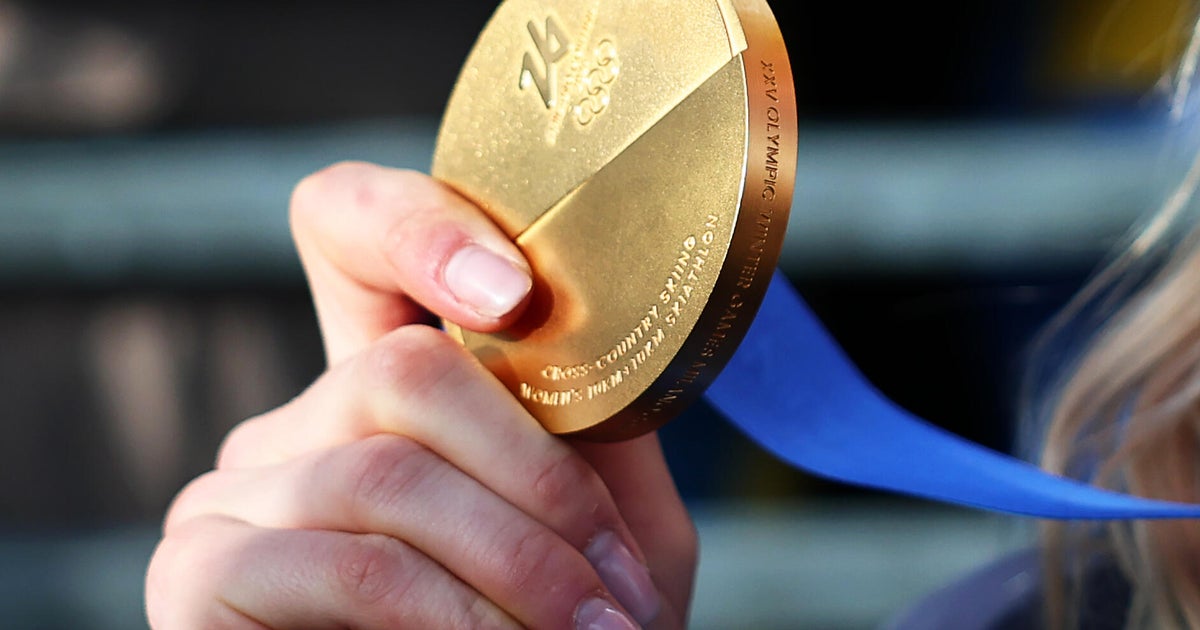
Many people assume that Olympic gold medals are made of solid gold, but this hasn’t been the case for over a century. According to Bobby Eaton, an Olympics memorabilia expert at Boston-based RR Auction, the last time a completely pure gold medal was awarded to an Olympic champion was way back in 1912 at the Summer Olympic Games in Stockholm, Sweden. Since then, the composition has changed dramatically, primarily due to cost considerations and the impracticality of creating solid gold medals for every winner. Today’s International Olympic Committee guidelines only require that gold medals consist of at least 92.5% silver—essentially sterling silver quality. The current standard for Olympic gold medals specifies that they must be composed of 500 grams of silver plated with just six grams of pure gold. This thin layer of gold gives the medals their distinctive golden appearance while keeping costs manageable. Silver medals, by contrast, contain 500 grams of silver without any gold plating, while bronze medals are made of solid bronze. Despite not being pure gold, these medals still carry considerable material value, especially in today’s market conditions.
Breaking Down the Current Melt Value
When you calculate the worth of an Olympic gold medal based purely on its metal content—what experts call the “melt value”—the numbers become quite impressive. Recent market conditions have seen gold prices soar to unprecedented heights, with prices reaching $5,090 per ounce on certain trading days. The six grams of pure gold that coat each medal equals approximately 0.2 ounces, giving the gold portion alone a value of around $1,018. Meanwhile, silver has been trading at approximately $83 per ounce, making the 500 grams of silver in each medal worth roughly $1,463. Combined, these precious metals give each gold medal a melt value of approximately $2,481 based solely on current commodity prices. This represents a significant increase from previous Olympic Games, reflecting the broader trend of investors flocking to precious metals as a hedge against geopolitical uncertainty, rising global debt, and economic instability. The record-breaking gold prices surpassing $5,000 per ounce for the first time last month demonstrate just how dramatically the landscape has changed, potentially making the Milan 2026 medals among the most materially valuable in modern Olympic history.
The Real Value: Collectibility and Historical Significance
While the melt value of Olympic medals provides an interesting baseline, the true worth of these awards extends far beyond their precious metal content. As Bobby Eaton emphasizes, there exists a significant “discrepancy between the melt value and actual collectible value” when it comes to Olympic medals. For athletes who might consider selling their medals shortly after the Games conclude, they could potentially fetch between $50,000 and $80,000, according to expert estimates. This represents roughly twenty to thirty times the melt value, demonstrating how collectors and enthusiasts value the historical significance, the story behind each medal, and the connection to specific athletic achievements. The Olympic medals that command the highest prices are typically those won by legendary athletes or earned during historically significant competitions. The prestige of the event, the fame of the athlete, and the circumstances surrounding the victory all contribute to determining a medal’s market value. Some medals become cultural artifacts that represent pivotal moments in sports history, and their worth reflects this importance to collectors and museums around the world.
Famous Medal Sales and Their Stories
Throughout Olympic history, several high-profile medal sales have demonstrated just how valuable these awards can become. The record for an Olympic medal sale was set in 2013 when one of track and field legend Jesse Owens’ four gold medals from the 1936 Berlin Olympics sold for an astounding $1.47 million through SCP Auctions. That particular medal carried enormous historical weight, as Owens’ victories came at the Games hosted by Nazi Germany, making his achievements a powerful statement against the racism of that era. More recently, diving icon Greg Louganis, who accumulated five gold medals and one silver medal across three Olympic Games (1976, 1984, and 1988), made the decision to sell three of his medals. His gold medal from the 10-meter platform diving event at the 1988 Seoul Olympics sold for over $200,000, while his 1984 Los Angeles gold medal for 3-meter springboard diving fetched just under $200,000. His silver medal from the 1976 Montreal Olympics for the 10-meter platform event sold for more than $30,000. According to Eaton, who handled the sales, Louganis used the proceeds to relocate to Panama and restart his life. “He said the money he got from selling his medals let him start his life back up again so he could do what he wanted to do,” Eaton explained, showing how these medals can provide financial security for athletes after their competitive careers end. Swimming champion Ryan Lochte took a different approach in 2022 when he auctioned six of his twelve Olympic medals—three silver and three bronze—to raise money for children’s charity. Lochte, who won six gold medals over four Olympic Games, explained his pragmatic view: “I’m not one to be all sentimental about medals. My medals are just sitting in my closet collecting dust. The memories that I have is what means the most.”
Medal Durability Concerns at Milan 2026
Beyond their material and collectible value, this year’s Milan Olympics medals have attracted attention for an unexpected reason that has nothing to do with precious metal prices. The Olympics Organizing Committee announced it is investigating problems affecting a small number of medals after several athletes reported that their prizes had actually broken. American skier Breezy Johnson, who won the gold medal in downhill skiing, shared her experience with reporters after her victory. “Don’t jump in them,” she cautioned other athletes, explaining what happened when she celebrated her win. “I was jumping in excitement and it broke. I’m sure somebody will fix it — it’s not like crazy broken — but it’s a little broken,” she said. This issue raises questions about the construction and durability of the medals, which must balance aesthetic appeal, symbolic importance, and practical resilience. While the broken medals will undoubtedly be repaired or replaced, the incident serves as a reminder that these precious awards, despite their considerable value and significance, remain physical objects subject to the forces of enthusiastic celebration. For athletes who have trained their entire lives for these moments, the impulse to jump and celebrate with their medals is entirely understandable, even if it puts the physical integrity of the awards at risk.