


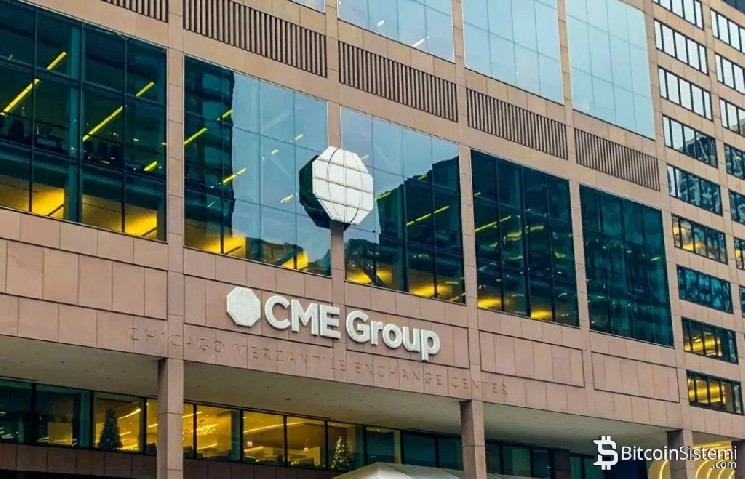

CME Group’s Bold Move Into Bitcoin Volatility Trading: What It Means for Crypto Investors
A New Chapter in Cryptocurrency Derivatives Markets
In a significant development for the cryptocurrency trading landscape, CME Group—recognized globally as one of the premier derivatives marketplaces—is taking another major step forward in its cryptocurrency offerings. The Chicago-based exchange powerhouse has announced plans to introduce Bitcoin volatility-based futures contracts, with a targeted launch date of June 1, pending regulatory approval from relevant authorities. This announcement represents more than just another product addition to CME’s already robust cryptocurrency portfolio; it signals a maturing market where sophisticated financial instruments are becoming increasingly necessary to meet the evolving needs of institutional and professional investors who are seeking more nuanced ways to participate in the digital asset ecosystem.
The introduction of these volatility futures contracts marks a pivotal moment in how investors can approach cryptocurrency markets. Until now, most cryptocurrency derivatives have been primarily focused on price movements—whether Bitcoin goes up or down. However, these new products will allow market participants to isolate and trade volatility itself as a distinct asset class, separate from directional price movements. This innovation addresses a critical gap in the current crypto derivatives market and provides investors with tools that have long been standard in traditional financial markets but have been largely absent from the cryptocurrency space. The move demonstrates CME Group’s commitment to building comprehensive trading infrastructure that can support the diverse needs of sophisticated market participants who require advanced risk management capabilities.
Understanding the Innovation: What Makes These Futures Different
What sets these new Bitcoin volatility futures apart from existing cryptocurrency products is their fundamental structure and purpose. Giovanni Vicioso, who serves as the Global Head of Cryptocurrency Products at CME Group, has been vocal about the growing appetite among investors for regulated products that can help them navigate the notoriously volatile cryptocurrency markets. According to Vicioso, these new volatility futures will serve dual purposes: they’ll provide investors with opportunities to take directional positions on volatility itself while simultaneously offering robust hedging capabilities. This means that whether an investor believes cryptocurrency volatility will increase or decrease, they can express that view through these contracts, or alternatively, use them to protect existing positions against unforeseen volatility spikes.
The significance of this development cannot be overstated when we consider the nature of cryptocurrency markets. Bitcoin and other digital assets have historically experienced dramatic price swings that far exceed those seen in traditional asset classes like stocks or bonds. While this volatility has attracted traders seeking profit opportunities, it has also served as a deterrent for many institutional investors who need predictable ways to manage risk. By creating a product that allows investors to isolate and manage volatility risk independently from price direction, CME Group is essentially providing a new dimension of portfolio management that could make cryptocurrency exposure more palatable to risk-conscious institutions. Vicioso emphasized that these products will create an entirely new layer in the risk management toolkit, enabling market participants to invest in or hedge against volatility regardless of whether they have a bullish or bearish view on Bitcoin’s actual price.
The Technology Behind the Product: CME CF Bitcoin Volatility Index
The foundation of these new futures contracts is the CME CF Bitcoin Volatility Index, commonly referred to by its ticker symbol BVX. This sophisticated index represents a technological achievement in itself, measuring the implied volatility of Bitcoin over a 30-day forward-looking period. Unlike traditional price indices that simply track the current or historical price of an asset, the BVX is constructed using real-time data extracted from Bitcoin option order books. This methodology is crucial because it captures market expectations about future volatility rather than simply measuring past price movements. The index draws on the collective wisdom of option market participants, whose trading activity reflects their views on how volatile Bitcoin might be in the coming month.
What makes the BVX particularly robust as a settlement mechanism is its dynamic nature and transparency. The index is updated every single second throughout the trading day, incorporating the latest information from option markets to provide a constantly refreshed picture of volatility expectations. This frequent updating ensures that the index accurately reflects current market conditions and expectations, reducing the potential for stale or manipulated settlement prices. For traders and investors, this means the futures contracts they’re trading are anchored to a reliable, real-time benchmark that genuinely represents market consensus about future volatility. The technological infrastructure required to maintain such a high-frequency index calculation demonstrates CME Group’s commitment to creating institutional-grade products that meet the stringent standards expected in regulated derivatives markets.
Industry Perspectives and Market Impact
The introduction of Bitcoin volatility futures has garnered attention from major players in the financial services industry, with institutions like Morgan Stanley expressing support for the development. David Schlageter, who heads Derivatives Sales at Morgan Stanley, has publicly stated that Bitcoin volatility futures would significantly contribute to more effective portfolio risk management across the investment landscape. His endorsement carries particular weight given Morgan Stanley’s position as one of the first major U.S. banks to offer its wealth management clients access to Bitcoin funds. Schlageter emphasized that transforming volatility into a directly tradable asset class represents an important evolution for the cryptocurrency market, bringing it more in line with the sophisticated risk management tools available in traditional financial markets.
The broader market impact of these products extends beyond just providing new trading opportunities. For institutional investors who have been hesitant to allocate significant capital to cryptocurrencies due to concerns about volatility risk, these futures contracts could serve as a gateway to increased participation. Portfolio managers will be able to take positions in Bitcoin or other cryptocurrencies while simultaneously hedging their volatility exposure, creating a more controlled risk profile that may be more acceptable under institutional investment guidelines. Additionally, the existence of liquid volatility futures could lead to more efficient pricing across the entire ecosystem of Bitcoin derivatives, as arbitrageurs and market makers use these products to more precisely hedge their own positions. This increased efficiency typically results in tighter bid-ask spreads and better execution prices for all market participants, ultimately benefiting the entire cryptocurrency trading community.
The Regulatory Landscape and Path Forward
The caveat that these new futures contracts are subject to regulatory approval highlights the important role that oversight plays in the cryptocurrency derivatives market. CME Group’s products are regulated by the Commodity Futures Trading Commission (CFTC), which has established itself as the primary U.S. regulator for cryptocurrency derivatives. The regulatory approval process ensures that new products meet standards for market integrity, investor protection, and operational resilience before they can be offered to the trading public. For many institutional investors, the regulatory oversight provided by agencies like the CFTC is a prerequisite for participation, as it provides assurance that the markets operate fairly and that there are mechanisms in place to address potential misconduct or operational failures.
The increasing demand for regulated cryptocurrency products that Giovanni Vicioso referenced reflects a broader trend in the digital asset industry. As cryptocurrencies have moved from a niche technology experiment to a mainstream asset class with trillions of dollars in market capitalization, the need for professional-grade, regulated trading infrastructure has become paramount. CME Group’s continued expansion of its cryptocurrency product suite—which already includes Bitcoin and Ethereum futures and options—demonstrates how traditional financial market infrastructure is evolving to accommodate digital assets. The June 1 target launch date, assuming regulatory approval is granted, will mark another milestone in this ongoing convergence between traditional finance and the cryptocurrency ecosystem, potentially opening the door for even more sophisticated products in the future.
Looking Ahead: Implications for Crypto Market Evolution
The introduction of Bitcoin volatility futures by CME Group represents more than just a new product launch; it symbolizes the continuing maturation and sophistication of cryptocurrency markets. As these markets evolve, the availability of diverse trading instruments that address different aspects of risk and return becomes increasingly important for attracting a broader base of participants. Volatility futures, in particular, fill a critical gap by allowing investors to separate their views on price direction from their views on price stability, creating opportunities for more nuanced investment strategies that simply weren’t possible before. This development may encourage other exchanges and market infrastructure providers to introduce similar products, potentially leading to a more complete ecosystem of risk management tools for cryptocurrency investors.
As we look toward the future, the success of these volatility futures could pave the way for additional innovations in cryptocurrency derivatives. We might see the development of similar products for other major cryptocurrencies, or even more complex structures that allow investors to trade relative volatility between different digital assets. The key takeaway for investors is that the cryptocurrency market is rapidly developing the sophisticated infrastructure that has traditionally been associated with mature asset classes. While it’s important to remember that this information does not constitute investment advice and that cryptocurrency investments carry significant risks, the expansion of regulated, institutional-grade products like CME’s volatility futures represents an important step in the ongoing evolution of digital asset markets into a permanent fixture of the global financial system.