



MicroStrategy’s Bitcoin Bet: A Detailed Look at Q1 2026 Results and What Lies Ahead
The Staggering First Quarter Loss
MicroStrategy, now operating under the name Strategy (MSTR), just announced some eye-watering numbers that might make even seasoned investors gulp. The company reported a net loss of $12.54 billion for the first quarter of 2026—yes, you read that right, billion with a “b.” This massive loss wasn’t exactly unexpected given what happened in the cryptocurrency markets during those three months. Bitcoin, the digital asset that Strategy has bet its entire corporate identity on, took quite a tumble from early January through the end of March. The world’s most famous cryptocurrency started the year trading around $87,000 per coin, looking relatively strong and giving bitcoin enthusiasts hope for continued growth. However, by the time March 31 rolled around, bitcoin had shed considerable value, dropping to roughly $68,000. That’s a decline of about 22% in just three months, and when you’re holding hundreds of thousands of bitcoins like Strategy does, even small percentage moves translate into billions of dollars in paper losses. For a company that has transformed itself from a traditional business intelligence software firm into essentially a bitcoin holding vehicle, these quarterly swings have become the new normal, though that doesn’t make them any less dramatic when the numbers hit the financial statements.
The Bitcoin Rebound and Strategy’s Continued Accumulation
Here’s where things get interesting, and why long-term Strategy investors might not be panicking despite that shocking quarterly loss. Since the second quarter began in April, bitcoin has shown the kind of resilience and recovery that has characterized its roller-coaster existence over the years. The cryptocurrency has bounced back significantly, climbing back above the $80,000 mark. For Strategy, this rebound couldn’t have come at a better time. But what’s perhaps even more noteworthy than the price recovery is the company’s response to it—they haven’t slowed down their bitcoin buying spree one bit. In fact, Strategy has continued accumulating coins at what can only be described as a rapid pace throughout the second quarter. This aggressive buying strategy, even after experiencing a massive quarterly loss, speaks volumes about the company’s conviction in bitcoin as a long-term store of value. If bitcoin maintains its current price levels or continues climbing through the end of June, Strategy could be looking at posting a substantial profit for the April-June period. It’s the ultimate example of “what goes down must come up” in the volatile world of cryptocurrency investing. The company’s willingness to keep buying during uncertain times demonstrates either tremendous confidence or tremendous commitment to their chosen path—or quite possibly both.
Michael Saylor’s Vision and Strategy’s Massive Bitcoin Holdings
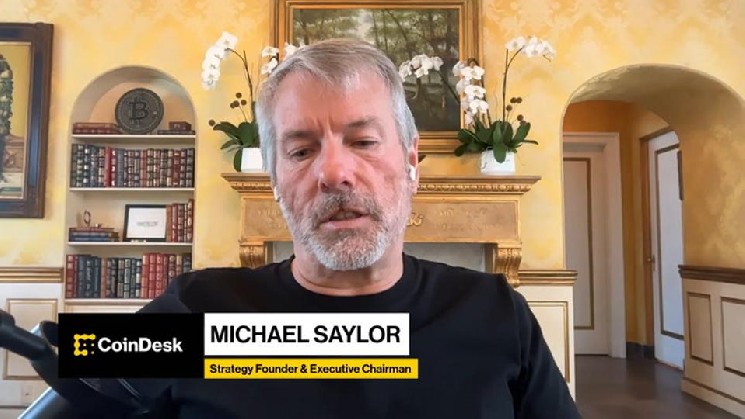
At the helm of this unprecedented corporate bitcoin strategy is Executive Chairman Michael Saylor, a figure who has become synonymous with institutional bitcoin adoption. Saylor hasn’t just dipped his company’s toe into the cryptocurrency waters—he’s performed a full cannonball into the deep end. Under his leadership, Strategy has become the largest corporate holder of bitcoin in the world, a title that carries both prestige and enormous risk. As of their latest disclosure, the company owns an astounding 818,334 BTC. To put that number in perspective, that’s nearly 4% of all the bitcoin that will ever exist (bitcoin has a hard cap of 21 million coins). The company didn’t acquire this massive position overnight or at a single price point. Their average acquisition cost sits at $75,537 per bitcoin, which actually puts them in a reasonably favorable position given current market prices. With bitcoin trading above $80,000, the company is currently sitting on an unrealized gain when looking at their total position against their average cost basis. Saylor’s transformation of MicroStrategy from a somewhat obscure software company into a bitcoin proxy investment vehicle has been one of the most remarkable corporate pivots in recent business history. His unwavering belief that bitcoin represents a superior store of value compared to cash has driven every major decision the company has made over the past several years, for better or worse.
Financial Health and Cash Reserves
Despite the massive reported loss and the inherent volatility of their bitcoin-focused strategy, Strategy isn’t in immediate financial danger. The company ended the first quarter with $2.25 billion in cash on hand, which provides a meaningful cushion for their ongoing operations. This cash reserve is particularly important when you consider the company’s financial obligations, especially to holders of their preferred stock. According to financial analysts, this $2.25 billion is sufficient to cover approximately 18 months of preferred stock dividends, which provides some breathing room and demonstrates that the company isn’t operating on a financial knife’s edge despite their aggressive bitcoin acquisition strategy. This financial buffer is crucial because it means Strategy can weather additional bitcoin price volatility without being forced to sell their holdings at unfavorable prices to meet obligations. Having this cash cushion allows them to maintain their long-term holding strategy rather than becoming a forced seller during market downturns. It’s worth noting that Strategy has been creative in how they’ve financed their bitcoin purchases, using a combination of debt offerings, stock sales, and other financial instruments. This cash position suggests they’ve managed these various financing mechanisms relatively well, maintaining enough liquidity to keep the lights on and meet their obligations even while directing enormous resources toward bitcoin accumulation.
Stock Performance and Investor Sentiment
The performance of MSTR stock tells an interesting story about how the market views this unconventional corporate strategy. Year-to-date, MSTR shares are actually up nearly 20%, which on the surface looks pretty good and suggests investors have maintained some confidence in the company’s direction despite the quarterly loss. However, zoom out a bit further and the picture becomes more complex. On a year-over-year basis, the shares remain down by more than 50%, meaning investors who bought in a year ago are still nursing significant losses. This disparity between short-term performance (the current year) and medium-term performance (the past twelve months) reflects the extreme volatility that comes with owning a stock that’s essentially a leveraged bet on bitcoin. When bitcoin goes up, MSTR tends to go up more; when bitcoin falls, MSTR typically falls harder. The stock has become a favorite among traders who want cryptocurrency exposure in their regular brokerage accounts without actually buying crypto directly, but it’s proven to be a wild ride. The 20% year-to-date gain suggests that recent momentum in the bitcoin price has started to restore some investor confidence, but the 50% year-over-year decline serves as a sobering reminder that this strategy carries substantial risk. For retail investors, MSTR has become something of a meme stock in certain circles, with passionate supporters viewing Saylor as a visionary and skeptics seeing the strategy as reckless corporate gambling.
The Crucial Earnings Call and Future Strategy
While the first-quarter results themselves are certainly newsworthy, most seasoned investors and analysts had already anticipated roughly what the numbers would look like. After all, bitcoin’s price movements are public information, and with Strategy’s holdings being well-documented, anyone with a calculator could have estimated the approximate loss. What really matters, and where investor attention is truly focused, is the upcoming earnings call scheduled for 5 p.m. Eastern Time. This is where Michael Saylor and his leadership team will outline their thinking, explain their strategy going forward, and potentially provide insights into their future bitcoin acquisition plans. These calls have become must-listen events for anyone interested in the intersection of corporate finance and cryptocurrency. Saylor has never been shy about sharing his long-term vision for bitcoin and the company, and he’s likely to use this platform to reinforce his conviction that bitcoin represents the future of corporate treasury management. Investors will be listening carefully for any hints about how aggressive the company plans to be with additional bitcoin purchases, whether they’re considering any changes to their strategy in light of market conditions, and how they view the current regulatory and macroeconomic environment for cryptocurrency. The call will also likely address questions about the company’s financing strategies—how they plan to fund future bitcoin purchases and whether they’ll tap debt markets, equity markets, or other sources of capital. For Strategy, these earnings calls have become as much about communicating a philosophy and vision as they are about discussing quarterly financial performance, making them essential listening for anyone trying to understand where this unique company is headed next.