



Publishers and Bestselling Author Take on Meta Over AI Training Practices
The Heart of the Legal Battle
In a move that signals growing tensions between the literary world and tech giants, renowned novelist Scott Turow has joined forces with five major publishing houses to challenge Meta and its CEO Mark Zuckerberg in federal court. The lawsuit, filed in New York, represents a coalition of some of the industry’s heaviest hitters—Cengage, Elsevier, Hachette, Macmillan, and McGraw-Hill—all united in their claim that Meta crossed a critical line when developing its artificial intelligence technology. At the core of their argument is a straightforward but serious accusation: Meta allegedly helped itself to millions of copyrighted books, articles, and educational materials from across the internet without asking permission or paying a dime. According to the plaintiffs, this wasn’t just casual borrowing—Meta allegedly went so far as to gather content from what they describe as “notorious pirate sites,” essentially using stolen goods to build its Llama AI system. What makes this particularly troubling to the publishers is the claim that Meta deliberately stripped away copyright information from these works, like removing price tags before walking out of a store, in an apparent effort to conceal the origins of the material they were using to train their technology.
How AI Learning Becomes Copyright Infringement
To understand why this lawsuit matters, it helps to know how AI systems like Meta’s Llama actually work. These chatbots don’t just pull random words together—they learn by studying vast amounts of existing text, absorbing patterns, styles, and information that they then use to generate new responses when someone asks them a question. The publishers’ complaint argues that Llama isn’t just learning general writing skills; it’s actually reproducing substantial portions of the original copyrighted works it studied. In some instances, the lawsuit claims, the AI generates what amounts to verbatim copies of passages from novels, academic journals, and textbooks. Even more concerning to the plaintiffs, Llama sometimes mimics the distinctive writing styles of specific authors, capturing their unique voice and manner of expression. For writers and publishers, this cuts to the heart of their livelihood—if an AI can produce content that closely resembles or directly copies their painstakingly created work, who’s going to pay for the original? The lawsuit paints a picture of technology that’s essentially creating unauthorized derivatives of copyrighted material, competing with the very works it learned from without compensating their creators.
Pointing the Finger at Zuckerberg Himself
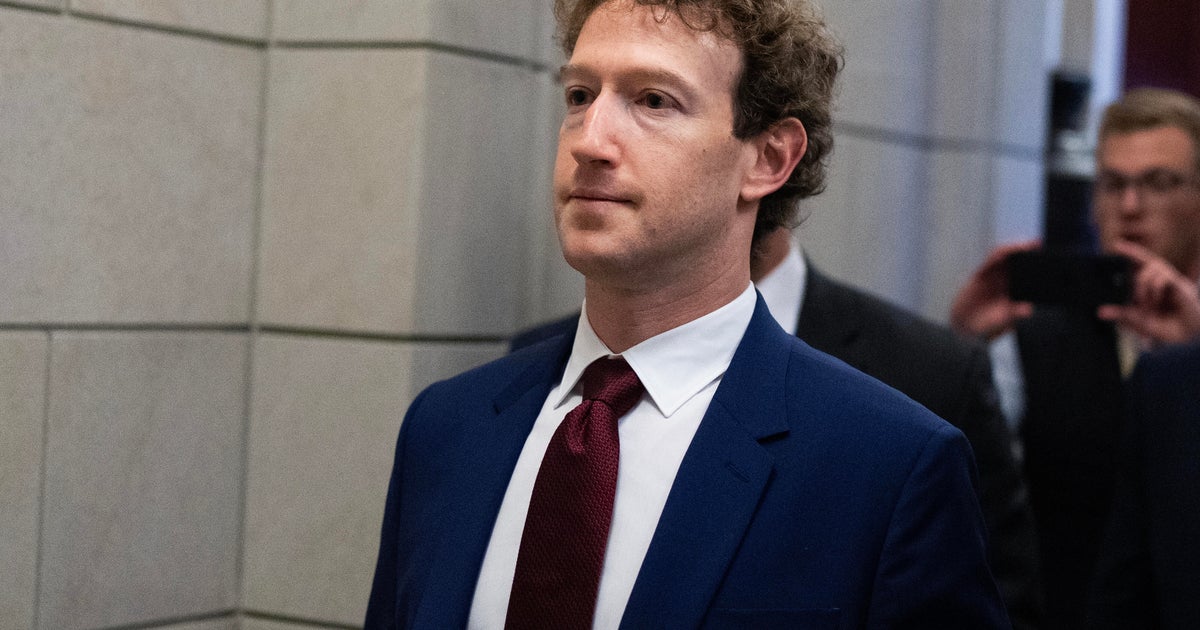
What sets this lawsuit apart from typical corporate disputes is its direct focus on Mark Zuckerberg as an individual defendant. The plaintiffs aren’t content with simply suing the company; they’re arguing that Zuckerberg himself bears personal responsibility for what they characterize as deliberate copyright infringement. According to the complaint, the Meta founder didn’t just rubber-stamp decisions made by underlings—he “personally authorized and actively encouraged” the company to bypass normal licensing procedures that would have required Meta to negotiate and pay for the right to use copyrighted material. The lawsuit suggests Zuckerberg was intimately involved in Meta’s AI development on a day-to-day basis, including allegedly giving the green light for the company to use torrenting technology—commonly associated with piracy—to download collections of copyrighted works for training purposes. The plaintiffs even take a shot at the financial windfall they claim came from these practices, noting that Zuckerberg’s personal net worth has soared to over $200 billion, implying that his fortune has been built, at least in part, on the unauthorized use of others’ intellectual property. By naming Zuckerberg directly, the publishers are sending a message that they believe this goes beyond corporate policy to individual decision-making at the highest level.
Meta Prepares for a Fight
Meta isn’t backing down from this challenge. A company spokesperson made it clear to CBS News that they’re ready to “fight this lawsuit aggressively,” signaling that this legal battle could be lengthy and hard-fought. Meta’s defense rests on a legal concept that has become central to disputes over AI training: fair use. This doctrine in copyright law allows for limited use of copyrighted material without permission under certain circumstances, such as for commentary, criticism, education, or transformative purposes. Meta’s position, echoed by other AI companies facing similar challenges, is that training artificial intelligence on copyrighted material represents a transformative use that should qualify as fair use. The company argues that AI isn’t simply copying and redistributing content but rather learning patterns and information that enable it to create something new. Meta’s spokesperson emphasized that AI technology is “powering transformative innovations, productivity and creativity for individuals and companies,” suggesting that the societal benefits of AI development should be weighed against copyright concerns. The company also noted that courts have previously found that training AI on copyrighted material can qualify as fair use, though this remains a developing and hotly contested area of law with relatively few definitive precedents.
A Pattern of Conflict in the AI Era
This lawsuit against Meta doesn’t exist in isolation—it’s part of a broader reckoning between content creators and AI developers over how intellectual property rights apply in the age of machine learning. The literary world has been particularly active in pushing back against what many authors and publishers see as the tech industry’s cavalier attitude toward copyright. Just last year, the AI company Anthropic, which makes the Claude chatbot, agreed to settle a similar dispute with hundreds of thousands of authors for a staggering $1.5 billion—reportedly the largest copyright infringement payout in history. That settlement sent shockwaves through both the tech and publishing industries, signaling that courts and companies are beginning to take these claims seriously. The pattern emerging from these cases suggests a fundamental disconnect between how AI companies view training data and how content creators see their work. Tech companies often treat the vast corpus of human knowledge available on the internet as a commons from which they can freely draw to develop new technologies. Meanwhile, authors, artists, and publishers see their copyrighted works as protected property that can’t be used without permission, regardless of the purpose. This philosophical divide is being tested in courtrooms across the country, with potentially billions of dollars and the future direction of AI development hanging in the balance.
What’s at Stake for Everyone
The outcome of this lawsuit could have far-reaching implications that extend well beyond the immediate parties involved. For publishers and authors, the case represents an existential question about their industry’s future: if AI systems can be trained on copyrighted works without compensation and then produce content that competes with those original works, how will writers and publishers sustain themselves financially? The plaintiffs are seeking damages, which if awarded could amount to substantial sums given the scale of alleged infringement across millions of works. More importantly, though, they’re likely hoping for a legal precedent that would require AI companies to license content properly, creating a new revenue stream for an industry that has already been disrupted by digital technology. For AI companies and tech giants like Meta, the stakes are equally high. If courts consistently rule that training AI on copyrighted material requires licensing agreements, it could dramatically increase the cost of developing AI systems and potentially slow innovation. It might also create advantages for companies with existing content libraries or deep pockets to negotiate licensing deals, while making it harder for startups and researchers with limited resources to compete. For everyday users, the resolution of these disputes will shape what AI tools can do and how much they cost. Ultimately, courts will need to balance the legitimate rights of content creators against the potential societal benefits of AI technology, attempting to find a framework that protects intellectual property while not stifling innovation—a challenge that may define how we navigate the intersection of creativity and technology for decades to come.