


Delta Air Lines Cuts Snack Service on Short Flights: What Travelers Need to Know
The End of Complimentary Snacks on Short Delta Flights
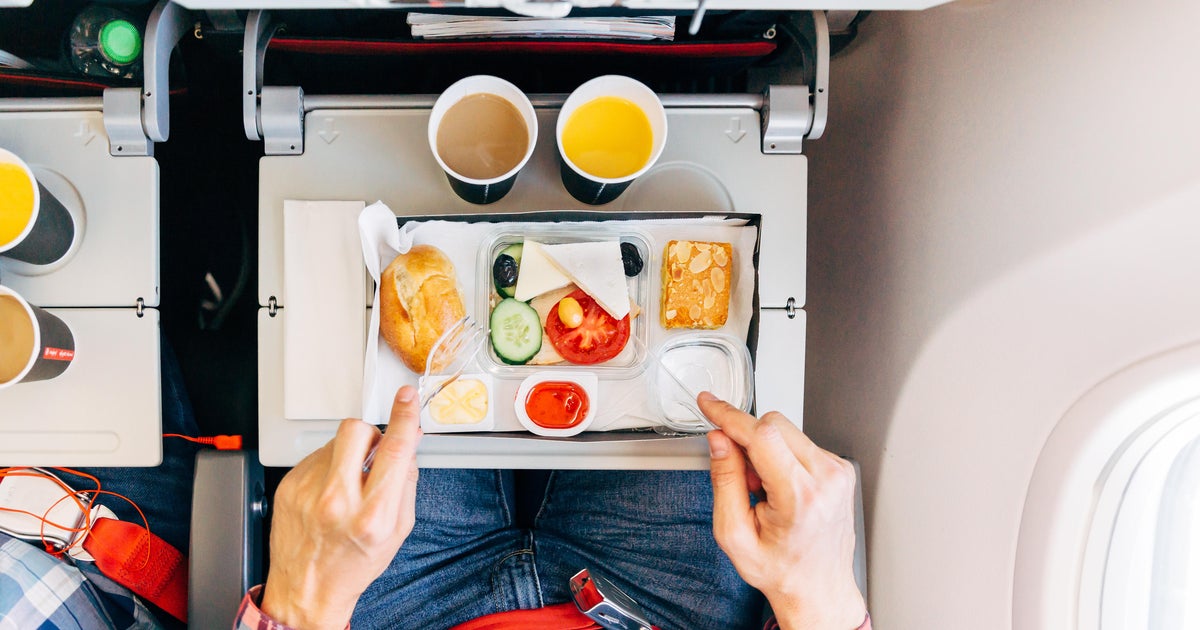
If you’ve booked a Delta Air Lines flight for your summer travels, you might want to stop by the airport snack shop before boarding. Starting May 19th, Delta announced they’re eliminating complimentary food and beverage service on their shorter routes. This change affects passengers flying distances under 350 miles in economy and comfort classes, though first-class travelers will continue enjoying full meal service regardless of flight distance. Think of flights like New York to Boston, which clocks in at just under 300 miles – these passengers will now need to bring their own refreshments or go without. However, if you’re flying from Los Angeles to San Francisco, you’re in luck; that route just makes the cut and you’ll still receive your complimentary drinks and snacks.
According to Delta’s official statement, this policy shift is designed to create “a more consistent experience across our network.” While that might sound like corporate speak, what it really means is that the airline is streamlining its operations by clearly defining which flights get service and which don’t, rather than having flight attendants make judgment calls based on flight time and distance. The change will affect approximately 9% of Delta’s total flights, which might seem like a small percentage, but it represents thousands of passengers daily who will notice this difference when they board their planes.
Some Passengers Will Actually Get Better Service
Interestingly, this isn’t entirely bad news for all Delta passengers. While some travelers lose their snack service, others are actually gaining it. Delta announced that passengers traveling 350 miles or more in Delta Comfort and Delta Main Cabin will now receive enhanced food and beverage options. This expansion means that about 14% of the airline’s daily flights will actually gain full service that they didn’t have before. So depending on your route and seat selection, you might actually come out ahead with these changes.
Delta was quick to reassure customers that even on flights without beverage service, their flight attendants won’t simply disappear into the galley. The crew will remain visible and available throughout the cabin, ready to assist passengers with other needs and concerns. They’re repositioning the role of flight attendants on these shorter flights from service providers to safety professionals and customer care representatives. It’s a subtle but significant shift in how airlines think about the passenger experience on quick hops between nearby cities.
How Delta Compares to Other Airlines
Delta’s new policy actually brings them more in line with industry standards rather than making them an outlier. American Airlines has been providing food and beverage service only on flights over 250 miles, setting a slightly lower threshold than Delta’s new 350-mile mark. Southwest Airlines matches American’s 250-mile minimum, while United Airlines splits the difference with service on flights 300 miles or longer. So if you’re a frequent flyer who uses multiple airlines, you’ll find that Delta’s policy isn’t dramatically different from what you might already experience with other carriers.
This standardization across the industry suggests that airlines have collectively determined that very short flights simply don’t provide enough time for meaningful food and beverage service anyway. Flight attendants on these quick routes often barely have time to complete their safety duties and a single drink service before they need to prepare for landing. By eliminating service on the shortest flights, airlines can reduce boarding times, streamline pre-flight preparations, and potentially even improve on-time performance since there’s one less thing that needs to happen before landing.
The Real Reason Behind the Changes: Rising Costs
While Delta frames this change as being about consistency and customer experience, the timing tells a different story. The airline industry is currently grappling with significantly increased operating costs, particularly when it comes to jet fuel. Fuel can account for up to 30% of an airline’s total operating expenses, and recent geopolitical tensions, including the Iran conflict, have driven fuel prices considerably higher. When you’re operating thousands of flights daily, even small savings per flight add up quickly to millions of dollars.
Airlines are responding to these economic pressures in multiple ways. Beyond cutting food service on short flights, carriers are raising ticket prices across the board and eliminating less profitable routes entirely. Every aspect of airline operations is being scrutinized for potential cost savings. While a bag of pretzels and a can of soda might not seem expensive, multiply that by hundreds of passengers across thousands of daily flights, add in the labor costs of flight attendants serving those items, the weight that affects fuel consumption, and the inventory management systems required, and suddenly those small snacks represent a significant expense that airlines would prefer to eliminate when possible.
The Bigger Picture for Air Travelers
The elimination of snack service on short Delta flights is just one symptom of broader changes rippling through the airline industry. The recent collapse of Spirit Airlines has removed a major low-cost competitor from the marketplace, and industry analysts warn this could lead to higher fares across the board. Spirit’s ultra-low prices forced other airlines to keep their own prices somewhat competitive, even on routes where Spirit didn’t directly compete. With Spirit out of the picture, that competitive pressure has eased, giving traditional carriers more pricing power.
For travelers, this means the era of rock-bottom airfares and abundant complimentary services may be coming to an end, at least temporarily. The combination of reduced competition, higher fuel costs, and airlines’ focus on profitability rather than market share is creating an environment where flying will likely become more expensive and more bare-bones unless you’re willing to pay for premium cabin seats. The good news is that this situation probably won’t last forever – the airline industry is historically cyclical, with periods of high prices and reduced service eventually giving way to new competition and better deals as new airlines enter the market or existing carriers expand. But for your summer 2025 travels, expect to pay more and receive less unless you plan ahead, pack your own snacks, and adjust your expectations accordingly.