


Mystery Illness at Sea: Understanding the Hantavirus Outbreak on a Cruise Ship
A Rare Disease Emerges in an Unexpected Setting
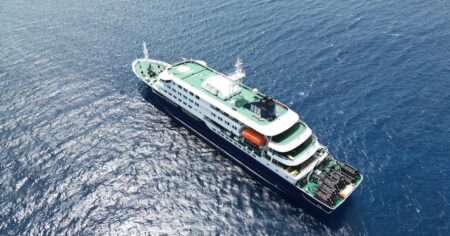
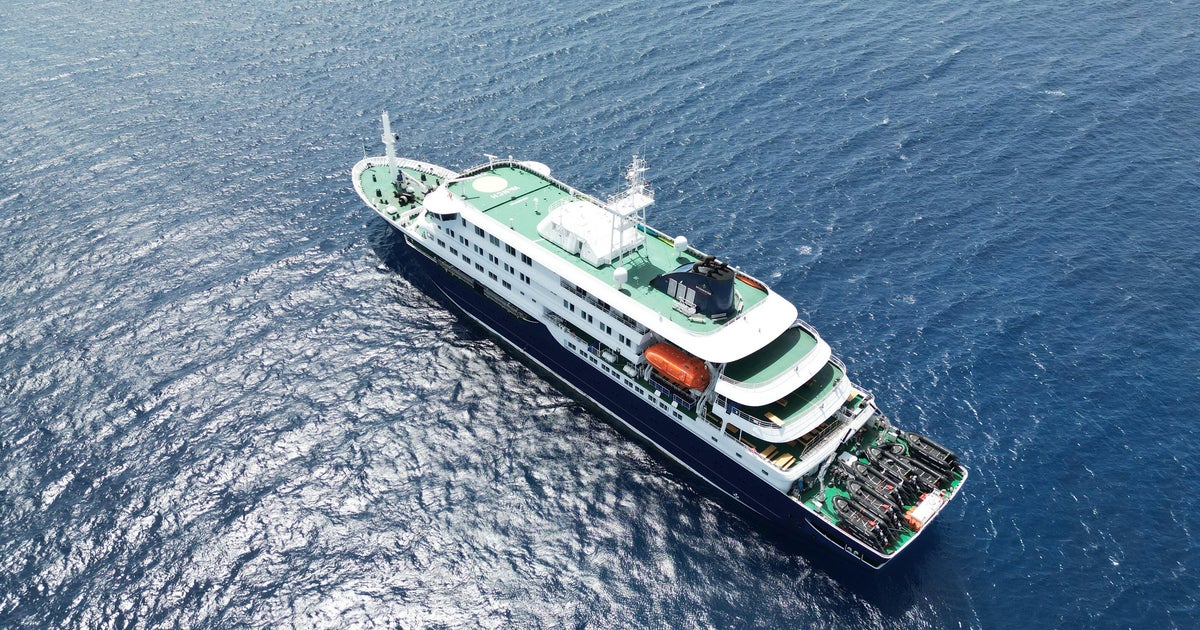
The ocean has always held mysteries, but few expected one of them to unfold aboard a cruise ship in the Atlantic. When a suspected hantavirus outbreak struck the MV Hondius, a Dutch vessel on a weekslong polar expedition, it caught international health authorities off guard and left approximately 150 passengers and crew stranded at sea. Three people have already died, and several others remain seriously ill, prompting an urgent investigation into how this rare and often fatal illness could have spread in such an unusual environment. The situation has highlighted both the unpredictable nature of infectious diseases and the unique challenges of containing outbreaks in confined spaces like cruise ships.
The tragedy began when a 70-year-old Dutch man died aboard the ship on April 11, followed by his 69-year-old wife about two weeks later in South Africa after disembarking. Blood tests confirmed that the wife had contracted hantavirus, and a British passenger evacuated to South Africa on April 27 also tested positive and is currently in critical condition. Health officials have identified at least four more suspected cases, including another fatal infection in a German passenger whose body remains on board. The World Health Organization’s Maria Van Kerkhove has been working closely with local authorities to understand how the outbreak began and how to prevent further spread, acknowledging the fear and uncertainty facing everyone aboard the vessel.
How Does Hantavirus Spread, and Could It Happen Between People?
Hantavirus is actually a family of diseases rather than a single illness, and it’s typically not something people catch from each other. The virus usually spreads to humans through contact with contaminated rodent waste—breathing in particles from droppings, urine, or saliva that have become airborne. This is why outbreaks are generally associated with rural areas, barns, cabins that have been closed up, or other places where rodents might nest. The idea of an outbreak on a cruise ship is therefore particularly puzzling and concerning to health experts who are trying to piece together exactly what happened.
However, there’s an important exception to the typical transmission pattern. The Andes strain of hantavirus, which is responsible for most cases in South America, has been documented to spread from person to person in rare instances. Since the MV Hondius departed from Argentina, health officials believe this strain might be involved in the current outbreak. Dr. Céline Gounder, CBS News medical correspondent, explained that the cruise ship’s Argentine origin raised immediate questions about whether the virus involved was the typical kind or the Andes strain that can transmit between people. The largest known outbreak of the Andes strain occurred in Argentina in 2018, resulting in 34 cases and 11 deaths, demonstrating that while human-to-human transmission is possible with this strain, it requires prolonged close contact—the kind that might occur between married couples sharing a cabin or family members caring for sick loved ones.
Van Kerkhove suggested that transmission among very close contacts, such as the husband and wife who died, might explain some of what occurred. Still, she emphasized that the WHO is operating under the assumption that the virus originally came from outside the ship. The investigation is exploring whether passengers might have contracted the virus during wildlife exploration in Argentina before joining the cruise, or possibly on one of the many islands the ship visited along the African coast, some of which have significant rodent populations. Despite thorough searches, no rodents have been found aboard the Hondius, and traps placed on the ship have shown no signs of the creatures, according to Ann Lindstrand, a WHO representative for Cape Verde.
Putting the Outbreak in Perspective: Is This a New Pandemic Threat?
When news of any disease outbreak breaks, especially in our post-COVID world, it’s natural for people to wonder if we’re facing another pandemic. The good news is that health experts are unanimous in their assessment: hantavirus is not a pandemic-level threat. Dr. Gounder emphasized that this “is not a pandemic kind of virus,” and Lindstrand directly stated, “It’s not,” when asked about pandemic potential. Hantavirus remains extremely rare, with fewer than 900 cases reported over 30 years in the United States. Even the Andes strain, which can spread between people, requires prolonged close contact to transmit, making widespread community transmission highly unlikely.
While cruise ships are unfortunately common sites for disease outbreaks—norovirus being the most frequent culprit—they are seldom linked to hantavirus. The current situation is unusual precisely because hantavirus outbreaks typically occur on land in areas with rodent populations, not in the middle of the ocean. Lindstrand sought to reassure the public that while the situation aboard the Hondius is serious and requires careful management, it doesn’t represent a broader threat to public health or to cruise travel in general. The containment measures being implemented are designed to protect those on board and prevent any potential spread once passengers disembark, but they’re not indicative of a virus with pandemic potential.
The Human Cost: Stranded, Scared, and Seeking Answers
Behind every statistic and medical briefing are real people facing an incredibly frightening situation. Travel blogger Jake Rosmarin captured the emotional reality in a social media video posted Monday, saying, “There’s a lot of uncertainty, and that’s the hardest part. All we want right now is to feel safe, to have clarity and to get home.” For the approximately 150 passengers and crew still aboard the Hondius, every day brings anxiety about their health, worry about their families, and frustration with circumstances beyond their control.
The psychological toll of the situation cannot be understated. These travelers embarked on what was supposed to be an adventure of a lifetime—a polar expedition to see wildlife and experience the majesty of remote locations. Instead, they found themselves at the center of a rare disease outbreak, watching fellow passengers become critically ill and die, and now facing the possibility of remaining quarantined aboard the ship for up to eight weeks. That’s because the hantavirus incubation period can be that long, meaning health officials need to monitor everyone on board for symptoms throughout that entire window to ensure the outbreak is truly contained.
Cape Verde responded to the crisis by sending medical teams to assist the Hondius crew, though the country prevented the ship from docking at its ports due to health concerns—a necessary precaution but one that adds to the isolation felt by those aboard. Three sick passengers were evacuated by helicopter on Tuesday, and the ship was expected to make its way toward Spain’s Canary Islands afterward. Spanish health officials prepared to conduct their own assessment of the vessel, reviewing the condition of everyone on board, identifying any additional cases or symptoms, and determining the safest path forward for repatriation and continued travel.
The Response: International Cooperation in Action
The hantavirus outbreak aboard the Hondius has demonstrated how international health systems can work together when faced with an unusual crisis. The World Health Organization has taken a coordinating role, working with health authorities in multiple countries including the Netherlands (the ship’s flag country), South Africa (where some passengers disembarked and received treatment), Cape Verde (near where the ship was located when the outbreak was confirmed), Spain (toward which the ship was heading), and the various home countries of passengers and crew.
Investigation efforts have focused on several key questions: Where did the virus originate? Are there more cases that haven’t yet shown symptoms? What are the safest protocols for eventually allowing passengers and crew to return home? Contact tracing—identifying everyone who had close contact with confirmed or suspected cases—has been crucial for understanding potential exposure patterns and prioritizing monitoring. Quarantine protocols have been implemented to separate those who are sick, those who had close contact with sick individuals, and those with no known exposure, though the confined nature of a ship makes true separation challenging.
At Tuesday’s news conference, Van Kerkhove directly addressed those aboard the ship: “We have heard from quite a few people on the boat. We just want you to know we are working with the ship’s operators. We are working with the countries where you are from. We hear you. We know that you are scared.” This acknowledgment of the human element—the fear, frustration, and uncertainty facing passengers and crew—reflected a recognition that managing an outbreak isn’t just about epidemiology and containment protocols; it’s also about supporting people through a traumatic experience.
Looking Forward: Lessons and Precautions
As the investigation into the Hondius outbreak continues, health officials will be looking for lessons that might prevent similar situations in the future. Questions about pre-boarding health screenings, the types of shore excursions offered during cruises that visit wildlife areas, and protocols for early detection of unusual illnesses aboard ships will all likely receive renewed attention. The cruise industry, already hyper-focused on health and sanitation protocols following various norovirus outbreaks over the years and the COVID-19 pandemic, may develop new guidelines specifically addressing the rare but serious risk of zoonotic diseases—those that jump from animals to humans.
For travelers, the outbreak is a reminder that adventure travel and wildlife tourism, while enriching and memorable, do carry some health risks. Taking precautions when exploring areas with significant wildlife populations, being aware of the specific health risks associated with destinations, and seeking medical attention promptly if unusual symptoms develop are all important practices. That said, the extreme rarity of hantavirus—particularly outbreaks of this nature—means that travelers shouldn’t let fear override the many benefits of exploring our world.
For the passengers and crew of the Hondius, the journey that began with excitement and anticipation has become something they’ll never forget for entirely different reasons. As they await clearance to finally return home to their loved ones, they represent a reminder that even in our modern, connected world, nature can still surprise us with challenges we didn’t anticipate. The international health community’s response—coordinated, science-based, and ultimately effective at containing the outbreak—offers hope that even rare and dangerous diseases can be managed when expertise, resources, and compassion come together.