


Rising Tensions in the Persian Gulf: Understanding America’s Potential Military Response to Iran
The Strategic Significance of the Strait of Hormuz Crisis
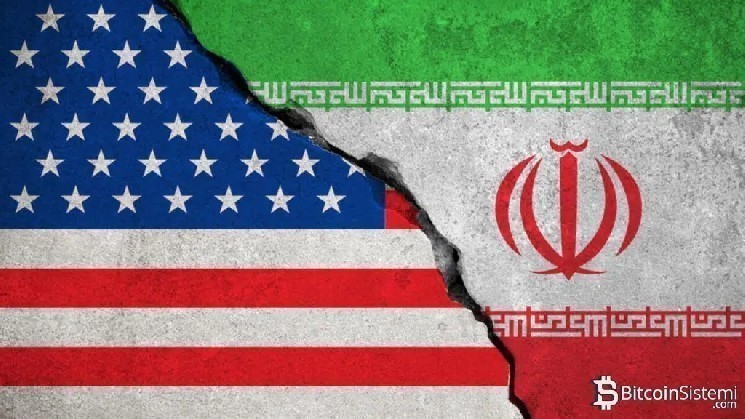
The geopolitical landscape of the Middle East is once again heating up, with new reports suggesting that the United States administration is seriously exploring military intervention options aimed at Iran. At the heart of this developing situation lies a critical concern: ensuring the free flow of energy resources through one of the world’s most strategically important waterways. The Strait of Hormuz, a narrow channel between the Persian Gulf and the Gulf of Oman, serves as a vital artery for global oil trade, with approximately one-fifth of the world’s petroleum passing through its waters daily. Any disruption to this passage sends immediate shockwaves through international energy markets and raises concerns about economic stability worldwide. As tensions escalate, Washington appears to be contemplating measures that would have been considered extreme just months ago, including the possibility of occupying strategic Iranian territory to force compliance with international maritime norms. This development represents a significant escalation in the long-standing tensions between the United States and Iran, a relationship that has been characterized by mutual suspicion, proxy conflicts, and periodic direct confrontations for more than four decades.
Harg Island: The Target at the Center of US Military Planning
According to multiple sources with knowledge of discussions within the administration, American military planners have identified Harg Island as a potential target for occupation or blockade. This small Iranian island might not be familiar to most people outside military and energy policy circles, but its importance to Iran’s economy cannot be overstated. Harg Island serves as one of Iran’s most critical oil export terminals, functioning as a crucial node in the country’s petroleum infrastructure. By controlling this location, the United States would effectively hold a knife to the throat of Iran’s economic lifeline, giving Washington unprecedented leverage in any negotiations regarding the reopening of the Strait of Hormuz. The strategic thinking behind this approach appears to be that by seizing control of such a vital asset, the US could force Tehran to the negotiating table under conditions highly favorable to American interests. Sources familiar with the planning suggest that military operations would potentially unfold in two distinct phases: an initial period of approximately one month dedicated to degrading Iranian military capabilities, followed by the seizure and occupation of Harg Island itself. This two-stage approach would theoretically minimize American casualties while maximizing the pressure applied to Iran’s leadership, creating conditions where continued resistance would become economically untenable for the Islamic Republic.
Military Buildup Signals Serious Intent
While diplomatic statements often remain ambiguous and open to interpretation, military movements tell a much clearer story about a nation’s intentions. In recent weeks, observable military activity in the region has intensified dramatically, lending credibility to reports about potential US operations against Iranian interests. According to information that has emerged from military tracking sources, three separate Marine Corps units are currently en route to the Persian Gulf region. These aren’t small reconnaissance teams or symbolic gestures—together, these forces comprise more than 7,500 combat-ready soldiers, representing a substantial military capability. The United States Marine Corps specializes in amphibious operations and rapid-response scenarios exactly like the hypothetical seizure of an island facility, making their deployment particularly significant in this context. Military analysts observing these movements have noted that such a concentration of Marine forces suggests planning that goes beyond mere contingency preparation or routine deployment rotation. Instead, this level of commitment indicates that Washington is seriously considering the execution of military options that would require precisely this type of specialized force. The message being sent, both to Tehran and to allies and adversaries watching the situation develop, is that the United States possesses both the capability and potentially the will to take dramatic action if current conditions persist.
The Administration’s Official Position: Measured But Firm
Despite the alarming nature of these military preparations, official communications from the US administration have maintained a more measured tone, reflecting the delicate balancing act that policymakers must perform when dealing with such explosive situations. A senior administration official, speaking with the news outlet Axios on condition of anonymity, confirmed that the seizure or control of Harg Island is indeed under consideration as one possible measure that could be employed to ensure the reopening of the Strait of Hormuz. However, the same official was careful to emphasize that no final decision has been made regarding implementation of such a dramatic operation. This carefully calibrated messaging serves multiple purposes simultaneously. First, it puts Iran on notice that the United States is considering serious action, potentially deterring further disruptions to maritime traffic. Second, it provides allies with reassurance that America is prepared to act to protect shared economic interests in free navigation through international waters. Third, and perhaps most importantly for domestic political considerations, it allows the administration to demonstrate strength and resolve without committing irrevocably to a course of action that could lead to widespread conflict. The careful distinction between planning for an operation and deciding to execute it gives policymakers maximum flexibility while the situation continues to evolve.
Economic and Global Implications of Potential Military Action
The ramifications of a US military operation against Iranian oil infrastructure would extend far beyond the immediate tactical situation in the Persian Gulf. Global energy markets operate on a delicate balance of supply, demand, and—crucially—perceived stability of supply chains. Even the credible threat of military action in this region causes oil prices to spike as traders and analysts factor in the possibility of supply disruptions. Should actual military operations commence, the immediate market reaction would likely be dramatic, with oil prices potentially surging to levels not seen in years or even decades. Such price increases would ripple throughout the global economy, increasing transportation costs, raising the price of goods manufactured using petroleum products, and contributing to inflationary pressures that would affect consumers worldwide. Beyond these immediate economic concerns, there are profound geopolitical considerations at play. Iran has repeatedly threatened to close the Strait of Hormuz entirely if attacked, a move that would constitute an economic catastrophe for energy-importing nations, particularly in Asia. China, Japan, South Korea, and India all depend heavily on oil transported through this waterway, meaning that any military action would inevitably draw these major powers into the diplomatic and possibly military dimensions of the conflict. Additionally, Iran maintains significant retaliatory capabilities through its ballistic missile arsenal, proxy forces throughout the Middle East, and cyber warfare capabilities, meaning that an American attack could trigger responses across multiple domains and geographic regions.
Looking Forward: Diplomacy, Deterrence, and Difficult Choices
As this situation continues to develop, the international community faces difficult questions about how to balance energy security, respect for territorial sovereignty, and the maintenance of international norms regarding freedom of navigation. The fact that the United States is openly discussing military options represents both a warning to Iran and an acknowledgment that diplomatic approaches have thus far failed to resolve the current crisis. For its part, Iran has historically responded to pressure with defiance rather than accommodation, raising serious concerns about how Tehran might react to either a military operation or continued economic pressure. The coming weeks and months will likely prove decisive in determining whether this situation can be resolved through renewed diplomatic engagement or whether it will escalate into direct military confrontation with unpredictable consequences. What remains clear is that all parties involved—the United States, Iran, regional powers, and the broader international community—have vital interests at stake in how this crisis unfolds. The challenge now lies in finding a path that protects those interests while avoiding a wider conflict that could destabilize not just the Middle East but the entire global economic system that depends on reliable energy supplies. As military assets move into position and planning continues, the world watches anxiously to see whether diplomacy can still prevail or whether the Persian Gulf is headed toward another chapter in its long history of conflict and confrontation.