
Trump Administration Unveils Comprehensive National Drug Control Strategy
Revolutionary Surveillance and Testing Methods
The Trump administration is preparing to launch an ambitious new approach to combat America’s ongoing drug crisis through cutting-edge surveillance technologies and unprecedented monitoring systems. According to a draft strategy document obtained by CBS News and set for official release next week, the administration plans to implement nationwide wastewater testing to track illegal drug use in real time. This innovative approach would give authorities immediate, localized data on drug consumption patterns across communities throughout the country. Beyond wastewater surveillance, the 195-page plan calls for biological specimen testing and the establishment of comprehensive biosurveillance systems that could revolutionize how America understands and responds to drug use trends. The administration also intends to harness artificial intelligence technologies in multiple ways: screening cargo shipments at ports of entry to detect illicit drugs, analyzing electronic health records to identify patients at heightened risk of overdose, and developing sophisticated search algorithms capable of detecting emerging drug threats before they become widespread problems. While the specific budget for implementing this ambitious strategy hasn’t been disclosed, the comprehensive nature of the plan signals a significant federal commitment to addressing drug abuse through technological innovation and data-driven approaches.
The Current State of America’s Drug Crisis
The timing of this new strategy comes at a critical juncture in America’s fight against substance abuse. After reaching a devastating peak in mid-2023, overdose deaths across the United States have begun declining, offering a glimmer of hope in what has been a relentless crisis. However, the situation remains dire, with over 68,000 Americans losing their lives to drug overdoses in the 12-month period ending in November, according to federal data. These numbers, while improved, still remain substantially higher than pre-opioid crisis levels, indicating that the nation hasn’t returned to anything resembling normalcy. Complicating matters further, reported illicit drug use actually increased in 2024, driven primarily by higher marijuana consumption rates. The strategy document paints a picture of an evolving threat landscape, highlighting concerns about fentanyl-contaminated drugs that have made the drug supply deadlier than ever before, as well as emerging synthetic substances that pose new challenges for public health officials and law enforcement. The administration’s report also takes aim at what it describes as aggressive marketing tactics by those selling addictive substances, drawing parallels to Big Tobacco’s historical targeting of young people. The document specifically criticizes the marijuana industry for producing high-potency products packaged in ways designed to appeal to minors, and accuses popular culture—including films, music, and public behavior—of normalizing drug use and fostering a society increasingly permissive toward illicit substances.
Faith-Based Treatment Takes Center Stage
In a notable departure from purely clinical approaches, the Trump administration’s strategy places religious faith at the heart of addiction treatment efforts. The document explicitly states that “secular education and treatment are important, but for those who have faith, adding God into the equation brings in a special power.” This philosophy represents a significant emphasis on spirituality as a component of recovery, encouraging faith leaders to leverage their influence and pulpits to promote drug-free lifestyles and provide hope and support to those struggling with addiction. The strategy characterizes addiction as a “treatable condition” and calls on religious communities to become active partners in addressing substance abuse. This faith-centered approach reflects the administration’s belief that spiritual resources can complement traditional treatment methods, potentially reaching individuals who might respond to religious guidance alongside or instead of conventional therapeutic interventions. By officially incorporating faith-based elements into the national drug control strategy, the administration is acknowledging the role that religious communities have historically played in supporting recovery and is formally enlisting these communities as partners in the broader fight against addiction.
Expanding Treatment Access and Medical Innovations
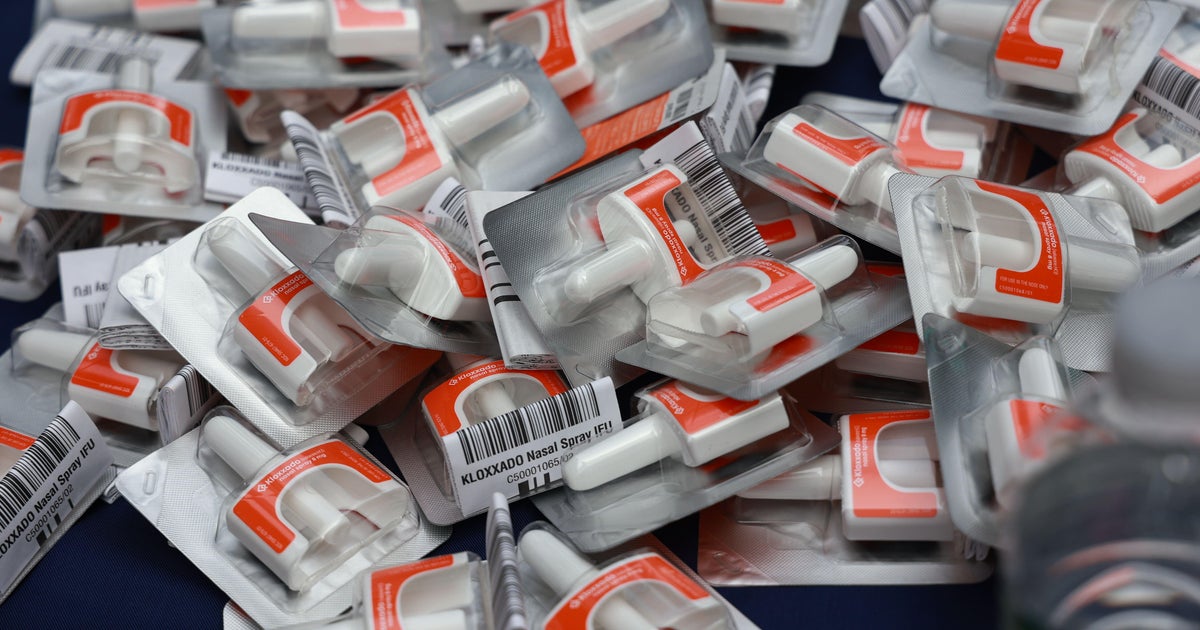
The strategy document emphasizes a fundamental principle: accessing addiction treatment should be easier than buying illegal drugs. To achieve this goal, the plan calls for integrating addiction care with other forms of medical treatment, ensuring that those struggling with substance abuse can receive help as readily as they would for any other health condition. The administration advocates for individualized, comprehensive treatment approaches tailored to each person’s specific needs rather than one-size-fits-all programs. The strategy expresses support for medication-based treatments for opioid use disorder and calls for expanded research into developing similar pharmaceutical interventions for methamphetamine, cocaine, and marijuana addiction. To prevent overdose fatalities, the plan emphasizes that naloxone—the life-saving medication that can reverse opioid overdoses—should become as commonplace as epinephrine for treating allergic reactions, suggesting widespread distribution and availability. The document also recognizes fentanyl test strips as an important harm reduction tool, allowing drug users to detect contaminated substances before consumption. However, a recent letter from the Substance Abuse and Mental Health Services Agency clarified that these test strips cannot be purchased using federal grant money, highlighting the sometimes contradictory policies surrounding harm reduction strategies. President Trump has demonstrated openness to expanding research on certain controlled substances for therapeutic purposes, recently signing an executive order to facilitate scientific study of psychedelics for potential mental health treatments, signaling a pragmatic approach to substances that might offer medical benefits despite their illicit status.
Law Enforcement and Border Security Initiatives
The strategy strongly emphasizes law enforcement’s crucial role in disrupting the distribution networks that supply illicit drugs to American communities. This aspect of the plan reflects the Trump administration’s aggressive stance toward foreign drug suppliers, particularly Mexican cartels and other international trafficking organizations. The administration has taken dramatic steps in this direction, including designating certain cartels as foreign terrorist organizations—a classification that carries significant legal and operational implications for how the U.S. government can act against these groups. Even more controversially, the administration has conducted deadly military strikes against alleged drug smuggling vessels in Caribbean and Pacific waters, representing an escalation in the use of force against drug trafficking operations. Earlier this month, the Justice Department announced it would order the rescheduling of certain marijuana products to a lower drug classification while working to expedite the broader reclassification of marijuana under federal law. These moves suggest a nuanced approach that distinguishes between different types of substances and recognizes evolving public attitudes toward marijuana while maintaining a hardline stance against harder drugs and the criminal organizations that traffic them. The artificial intelligence applications mentioned in the strategy would significantly enhance border security operations, potentially allowing authorities to screen vastly more cargo for illicit substances than current manual inspection methods permit, addressing a critical vulnerability in America’s efforts to stop drugs from entering the country in the first place.
Looking Forward: Challenges and Implications
As the Trump administration prepares to officially unveil this comprehensive drug control strategy, questions remain about implementation, funding, and effectiveness. The ambitious scope of the plan—spanning cutting-edge technology deployment, healthcare system integration, faith community mobilization, and aggressive law enforcement action—will require substantial resources and coordination across multiple federal agencies, state governments, and community organizations. The wastewater testing program alone represents a significant logistical undertaking that would need to be established in communities nationwide, raising questions about privacy, cost, and how the data would be used to inform policy responses. The emphasis on artificial intelligence and biosurveillance, while promising in terms of early detection and prevention, may also raise civil liberties concerns among privacy advocates worried about government surveillance capabilities. The faith-based treatment component, while potentially valuable for many individuals, will need to be implemented in ways that respect religious diversity and ensure that secular treatment options remain robust and accessible for those who prefer them. The strategy’s criticism of popular culture and marijuana industry marketing practices suggests potential regulatory actions ahead, though the document doesn’t specify what measures might be taken. Perhaps most significantly, the plan’s ultimate success will depend on sustained political will and adequate funding over multiple years, as the drug crisis didn’t develop overnight and won’t be resolved quickly regardless of the strategies employed. As overdose deaths remain tragically elevated and new synthetic drugs continue emerging, this comprehensive approach represents the administration’s vision for turning the tide—but only time will tell whether these ambitious initiatives can translate into the sustained reductions in addiction, overdoses, and drug-related harm that American communities desperately need.