

The Battle for the Federal Reserve: A Critical Moment in American Monetary Policy
A High-Stakes Nomination Process Unfolds
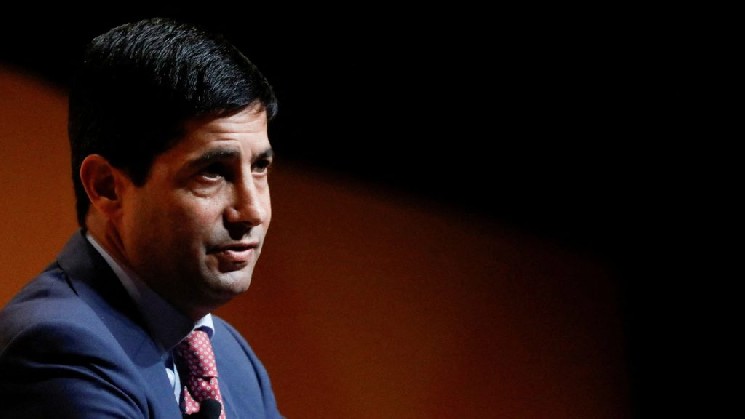
The United States is entering a pivotal chapter in its financial governance as the Senate Banking Committee prepares to examine Kevin Warsh’s nomination for the position of Federal Reserve Chairman. According to sources close to the proceedings who spoke with CNBC, the hearing is tentatively scheduled for April 16, marking a significant milestone in what has become one of the most contentious appointments in recent Fed history. This nomination represents more than just a change in leadership at America’s central bank—it signals a potential shift in the direction of monetary policy that could affect millions of Americans and reverberate throughout the global economy. The Federal Reserve, often simply called “the Fed,” serves as the backbone of American financial stability, controlling interest rates, managing inflation, and overseeing the nation’s banking system. Any change in its leadership is therefore a matter of national importance, but this particular transition is occurring under circumstances that are anything but ordinary. The process, while officially moving forward as planned, is taking place against a backdrop of political tension and institutional uncertainty that raises important questions about the future direction of American economic policy.
The Shadow of Investigation: Jerome Powell Under Scrutiny
What makes this nomination process particularly unusual—and some would say unprecedented—is that it’s occurring simultaneously with an investigation into the current Fed Chairman, Jerome Powell. This investigation isn’t about monetary policy decisions or economic forecasts; rather, it focuses on allegations that Powell may have misrepresented information to Congress regarding a costly renovation project at Federal Reserve buildings. While the details of these renovations might seem mundane compared to the Fed’s primary responsibilities of managing the economy, the investigation raises serious questions about transparency and accountability at the highest levels of America’s financial institutions. The allegation that a Fed Chairman might have provided misleading information to Congress strikes at the heart of the trust relationship that must exist between the central bank and the legislative branch. Congress relies on accurate information from Fed leadership to make informed decisions about economic policy, financial regulation, and oversight of the banking system. If that information cannot be trusted, it undermines the entire framework of checks and balances that governs American financial institutions. The parallel nature of these two processes—investigating the current chairman while simultaneously vetting his potential replacement—has created an atmosphere of uncertainty and speculation in Washington and on Wall Street alike.
Political Maneuvering and the Trump Administration’s Strategy
The timing and coordination of these two processes have led many observers to conclude that the Trump administration is pursuing a deliberate strategy to reshape Federal Reserve leadership. By moving forward with Warsh’s nomination while the Powell investigation continues, the administration appears to be creating multiple pathways to achieve its goal of changing leadership at the Fed. This approach has sparked considerable debate about the appropriate relationship between the executive branch and the Federal Reserve, which is designed to operate with a degree of independence from political pressure. Critics argue that this dual-track approach—investigating the current chairman while pushing forward with a replacement—looks like an attempt to circumvent the Fed’s independence and install leadership more aligned with the administration’s economic priorities. Supporters, however, might counter that the administration has every right to nominate Fed leadership and that any investigation into potential misconduct should proceed on its own merits, regardless of timing. This tension between presidential prerogative and central bank independence is not new in American history, but it takes on particular significance in an era of complex economic challenges, including concerns about inflation, employment levels, and global economic stability. The Federal Reserve’s credibility depends partly on the perception that its decisions are based on economic analysis rather than political considerations, making any appearance of political interference a matter of serious concern for financial markets and international observers.
Congressional Resistance and Institutional Integrity
Not everyone in Congress is willing to go along with the administration’s timeline. Senator Thom Tillis, a member of the Senate Banking Committee that will consider Warsh’s nomination, has taken a public stand that has significant implications for how this process will unfold. Tillis has explicitly stated his opposition to confirming Warsh’s nomination before the investigation into Powell is concluded. This position represents more than just one senator’s opinion—it reflects a broader concern about maintaining proper institutional processes and avoiding the appearance that political considerations are overriding procedural integrity. Tillis’s stance is particularly noteworthy because it suggests that even within the political coalition that might generally support the administration’s economic policies, there are limits to how far some members are willing to go in accelerating leadership changes at the Fed. His opposition is seen as a significant obstacle because committee dynamics and Senate rules mean that even a small number of dissenting votes can delay or complicate confirmation proceedings. This development highlights the delicate balance that must be maintained between executive authority, legislative oversight, and central bank independence. The fact that a member of the president’s own party is publicly expressing reservations suggests that this nomination process may not be as straightforward as the administration might hope, and it indicates that institutional concerns are still playing a meaningful role in how Congress approaches its constitutional responsibility to provide advice and consent on presidential nominations.
The Broader Implications for American Financial Governance
The uncertainty surrounding Federal Reserve leadership comes at a particularly sensitive time for the American economy and global financial markets. The Fed’s decisions affect everything from mortgage rates and credit card interest to employment levels and the value of the dollar in international markets. When there is uncertainty about who will be making these decisions and what their policy priorities might be, it can create volatility and unpredictability in financial markets. Investors, both domestic and international, pay close attention to Fed leadership because different chairmen have historically approached monetary policy with different philosophies and priorities. Some Fed chairs have been more focused on fighting inflation, while others have prioritized maximum employment; some have favored more aggressive intervention in markets, while others have taken a more hands-off approach. Kevin Warsh, the nominee under consideration, served on the Fed’s Board of Governors from 2006 to 2011, a period that included the financial crisis and its immediate aftermath. His experience during that tumultuous time has shaped his views on monetary policy, financial regulation, and the Fed’s role in crisis management. Understanding his likely approach to these issues is crucial for anyone trying to anticipate how Fed policy might change under new leadership. Beyond the immediate policy implications, this situation raises fundamental questions about the norms and processes that govern transitions in Fed leadership and the appropriate relationship between political branches and independent regulatory agencies.
Looking Ahead: An Uncertain Timeline and Unresolved Questions
As this situation continues to develop, several key questions remain unanswered. First, despite reports that the hearing is planned for April 16, the Senate Banking Committee has not yet officially added it to its schedule, leaving open the possibility of delays or changes. Second, the timeline and potential outcomes of the investigation into Chairman Powell remain unclear—will it conclude before any vote on Warsh’s nomination, and what might its findings mean for the broader political and institutional context? Third, how will other members of the Senate Banking Committee respond to Tillis’s concerns, and will his opposition grow or remain isolated? The answers to these questions will shape not just the immediate outcome of this nomination process but potentially set precedents for how such transitions are handled in the future. The American system of government depends on institutions functioning according to established norms and procedures, even when—or perhaps especially when—political pressures push for shortcuts or expedited processes. The Federal Reserve’s effectiveness as an institution depends substantially on its credibility and perceived independence, qualities that can be damaged by the appearance of excessive political interference. As citizens, investors, and observers watch this process unfold, the stakes extend far beyond the personalities involved to encompass fundamental questions about governance, institutional integrity, and the proper balance of power in American financial policymaking. The coming weeks will reveal whether existing institutional safeguards are strong enough to ensure that this critical transition is handled with the care and deliberation such an important position demands, or whether political considerations will override traditional processes and norms. Whatever the outcome, this episode will likely be studied for years to come as a case study in the relationship between political power and independent regulatory institutions.