

Trump’s Return to the White House Correspondents’ Dinner Sparks Debate About Press Relations
A High-Stakes Appearance After Years of Absence
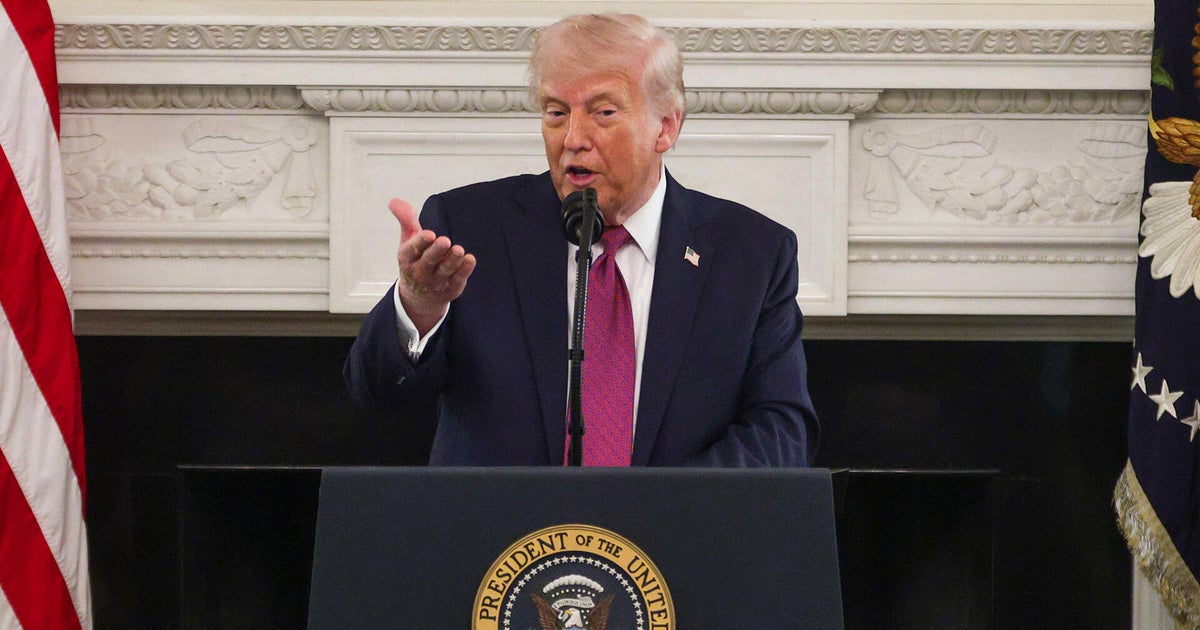
Donald Trump is set to attend Saturday’s White House Correspondents’ Association dinner for the first time as a sitting president, marking a significant moment that will thrust his administration’s rocky relationship with the media into the national spotlight. This annual gathering in Washington brings together journalists who cover the White House, government officials, and traditionally, the president himself. All eyes will be on Trump as he takes his seat at an event that past presidents have used to emphasize the vital importance of free speech, the First Amendment, and the role of journalism in American democracy, often while good-naturedly ribbing individual reporters. Trump’s attendance is particularly noteworthy given his history with the event—he skipped it entirely during his first four years in office and also avoided it during his first year back in the White House. His most memorable previous appearances were in 2011, when he sat in the audience as President Barack Obama delivered some pointed jokes at his expense, and in 2015 when he attended as a private citizen before launching his first presidential campaign.
Breaking From Tradition in Format and Tone
This year’s dinner represents a departure from recent tradition in more ways than one. Historically, these gatherings have featured professional comedians who deliver pointed satirical commentary about the president and the political establishment, often generating headlines and controversy. However, this time around, organizers have chosen to take a different approach by hiring mentalist Oz Pearlman as the featured entertainment—a decision that seems calculated to reduce potential friction. This choice reflects the delicate balancing act the White House Correspondents’ Association faces in an era of unprecedented tension between the administration and the press corps. The dinner has evolved considerably over the decades from what was once a relatively low-key gathering into a major Washington spectacle complete with celebrity guests, media attention, and significant political implications. Trump’s planned appearance has reignited long-standing debates about whether events like this are appropriate at all, with critics questioning whether journalists should be seen socializing, dining, and celebrating with the very people they’re supposed to hold accountable through their reporting.
Growing Concerns About Journalistic Independence
The ethical questions surrounding the dinner have prompted some major news organizations to reassess their participation entirely. The New York Times, one of the nation’s most prestigious newspapers, stopped attending the event over a decade ago precisely because of concerns about the optics of journalists appearing too cozy with government officials and political figures. Kelly McBride, an ethics expert at the Poynter Institute, a respected journalism think tank, articulated these concerns bluntly: “What was once (a fairly long time ago) a well-intended night of fundraising and camaraderie among professional adversaries is now simply a bad look.” Her assessment reflects a broader conversation within journalism about maintaining independence, credibility, and the appearance of objectivity in an increasingly polarized media environment. Critics argue that images of journalists laughing, dining, and socializing with politicians undermine public trust in the media’s ability to provide tough, unbiased coverage. They contend that in an era when accusations of “fake news” and media bias dominate political discourse, events like the correspondents’ dinner send exactly the wrong message to an already skeptical American public about the relationship between the press and those in power.
An Administration at Odds with the Press
Trump’s second term has been characterized by an exceptionally contentious relationship with journalists and news organizations, making his attendance at this celebration of press freedom particularly fraught with tension. His administration has engaged in public battles with individual reporters, launched legal fights against major news organizations including the New York Times, The Wall Street Journal, and The Associated Press, and implemented restrictions on press access to government agencies like the Pentagon. This atmosphere of hostility reached a fever pitch on the eve of the dinner when nearly 500 retired journalists signed a strongly worded petition calling on the White House Correspondents’ Association to “forcefully demonstrate opposition to President Trump’s efforts to trample freedom of the press.” Despite these tensions, WHCA president and CBS News senior White House correspondent Weijia Jiang defended the decision to hold the dinner and welcome the president, stating: “The White House Correspondents’ dinner reinforces the importance of the First Amendment in our democracy. As we mark America’s 250th birthday, our choice to gather as journalists, newsmakers and the president in the same room is a reminder of what a free press means to this country and why it must endure. Not for the media or the president, but for the people who depend on it.”
The Practical Value of Face-to-Face Connections
Despite the ethical concerns and political tensions, many working reporters defend their attendance at the dinner by pointing to the practical benefits for their journalism. They argue that the event provides a rare and valuable opportunity to develop story ideas, establish personal connections with government officials, and build relationships that may prove crucial to their reporting down the line. In the day-to-day grind of covering the White House and federal government, having previously established a personal connection with a source can mean the difference between a returned phone call that leads to an important story and a dead end. Journalists often invite sources as guests to the dinner, treating it as both a gesture of appreciation and an investment in future cooperation. This year, all eyes will be on which Trump administration officials—particularly those who have publicly expressed hostility toward the press—choose to attend, and which news organizations they’ll be sitting with. These seating arrangements can signal the current state of relationships between specific reporters or outlets and government officials, providing a fascinating real-time snapshot of the complex dynamics at play.
Awards, Lawsuits, and the Future of Press Relations
Adding another layer of complexity to this already charged evening, the White House Correspondents’ Association will present awards recognizing exemplary journalism—including some stories that have deeply angered President Trump. Among the honored work is a Wall Street Journal investigation about a birthday message Trump once sent to convicted sex offender Jeffrey Epstein, a story that prompted Trump to file a lawsuit against the newspaper. The Associated Press’s invitation to Taylor Budowich as their guest is particularly notable and somewhat ironic. Budowich, a former White House deputy chief of staff who left the administration last fall for the private sector, was actually named as a defendant when the AP sued the Trump administration over reduced press access related to the Gulf of Mexico renaming controversy. AP spokesman Patrick Maks defended the invitation by explaining: “We maintain professional relationships with people across the political spectrum because we are nonpartisan by design—focused on reporting the facts in the public’s interest.” This delicate dance between confrontation and cooperation, between holding power accountable through tough reporting and maintaining the working relationships necessary to do that reporting, encapsulates the fundamental tension at the heart of Saturday’s dinner and the broader challenge facing American journalism in the Trump era.