


The Unauthorized Mission: CIA Agents’ Fatal Crash in Mexico Sparks International Controversy
A Tragic Incident Reveals Clandestine Operations
A tragic car accident in northern Mexico has exposed sensitive cross-border intelligence operations and raised serious questions about international cooperation protocols. Last weekend, two American CIA agents lost their lives when their vehicle plunged off a ravine in the state of Chihuahua, resulting in an explosion that also claimed the lives of two Mexican police officers. The Americans were reportedly returning from a mission to destroy a clandestine drug laboratory when the fatal accident occurred. Their vehicle was part of a convoy traveling through the rugged terrain of northern Mexico, an area known for drug cartel activity and dangerous mountain roads. What initially seemed like a straightforward traffic accident has evolved into a diplomatic situation that highlights the complex and sometimes murky relationship between U.S. intelligence agencies and Mexican law enforcement in the ongoing battle against narcotics trafficking.
Mexico Challenges the Legitimacy of U.S. Operations
The Mexican government issued a strongly worded statement on Saturday asserting that the two American agents who died in the crash had no legal authority to conduct operations within Mexican territory. According to Mexico’s Ministry of Security, one agent entered the country on a visitor’s visa while the other possessed a diplomatic passport, but critically, neither had formal accreditation to participate in operational activities on Mexican soil. The ministry emphasized that Mexican law explicitly prohibits foreign agents from conducting operations within the country’s borders without proper authorization. Furthermore, officials stated that the Mexican government had no advance knowledge that foreign agents were operating or planning to participate in any operation within its territory. This revelation has prompted Mexican authorities to launch a comprehensive review of the incident in coordination with local officials and the U.S. Embassy in Mexico, seeking to understand how such an unauthorized operation could have taken place.
Contradictory Accounts Create Diplomatic Tension
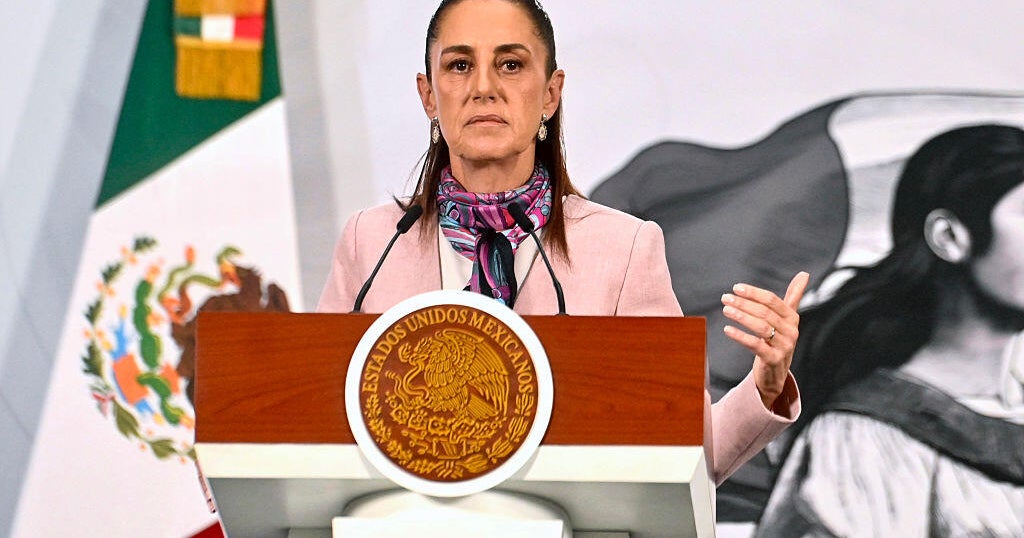
The situation has been further complicated by conflicting statements from officials on both sides of the border. Initially, the Mexican government claimed to have no knowledge of any operation involving U.S. personnel. However, Mexican President Claudia Sheinbaum later admitted on Wednesday that federal forces were indeed involved in the incident, contradicting earlier denials. These inconsistent accounts have raised questions about transparency and coordination between the two nations’ security apparatus. The CIA has maintained its customary silence on the matter, declining to comment when contacted by media outlets, which is standard practice for the intelligence agency regarding operational matters. Multiple sources familiar with the situation confirmed to CBS News that the deceased Americans were indeed CIA employees, though the exact nature of their mission and their specific roles remain unclear. This lack of clarity and the contradictory statements have created a challenging diplomatic environment as both countries attempt to navigate the sensitive issues surrounding intelligence cooperation and national sovereignty.
The Broader Context of U.S.-Mexico Security Cooperation
This incident occurs against the backdrop of a long and complicated history of security cooperation between the United States and Mexico, particularly in combating drug trafficking organizations. For decades, both countries have worked together, sometimes openly and sometimes covertly, to dismantle drug labs, intercept shipments, and apprehend cartel leaders. However, the relationship has always been delicate, balancing Mexico’s concerns about sovereignty with the United States’ interest in stopping the flow of illegal drugs across its southern border. The destruction of clandestine drug laboratories has been a key component of counter-narcotics efforts, as these facilities produce methamphetamine, fentanyl, and other synthetic drugs that fuel addiction crises in both countries. The presence of CIA agents in this type of operation, rather than DEA (Drug Enforcement Administration) personnel who traditionally handle drug-related matters, adds another layer of complexity and suggests the operation may have had intelligence-gathering components beyond simple law enforcement.
Legal and Sovereignty Concerns Take Center Stage
Mexico’s emphatic statement that foreign agents cannot legally participate in operations within its territory without proper authorization reflects deep-seated concerns about national sovereignty that have long been part of Mexican political discourse. The country’s history includes various foreign interventions, and protecting territorial integrity remains a sensitive political issue. Mexican law is indeed clear on this matter, requiring that any foreign law enforcement or intelligence activities conducted within the country must be properly coordinated through official channels and receive explicit authorization from Mexican authorities. The fact that one agent entered as a tourist and the other with a diplomatic passport—neither status providing legal cover for operational activities—represents a significant breach of protocol. This situation puts both governments in a difficult position: Mexico must assert its sovereignty and demonstrate that it takes violations of its laws seriously, while the United States must protect its intelligence operations and personnel while maintaining a crucial bilateral relationship. The challenge for both nations is addressing this incident in a way that respects Mexican sovereignty while preserving the ability to cooperate on shared security threats.
Moving Forward: Diplomacy and Cooperation
Despite the tensions revealed by this tragic incident, both governments have expressed their commitment to maintaining a productive working relationship. Mexico’s Ministry of Security concluded its statement by reiterating the country’s willingness to maintain a “close, serious, and respectful relationship” with the United States for the benefit of security in both nations. This diplomatic language suggests that while Mexico is serious about addressing the apparent breach of protocol, it also recognizes the importance of continued cooperation in fighting organized crime and drug trafficking. The path forward will likely involve more clearly defined protocols for intelligence sharing and joint operations, ensuring that future cooperation respects Mexican sovereignty while allowing both countries to combat common threats effectively. The investigation into exactly what happened, who authorized the operation, and why proper protocols weren’t followed will continue, potentially leading to changes in how the two countries coordinate on sensitive security matters. The deaths of four law enforcement and intelligence professionals—two American and two Mexican—serve as a sobering reminder of the dangers faced by those who work to combat drug trafficking, even as questions about legal authorization and diplomatic protocol are resolved. Ultimately, this incident may serve as a catalyst for developing clearer, more transparent frameworks for bilateral security cooperation that satisfy both countries’ needs while respecting international law and national sovereignty.