

Arizona Sues Federal Government Over Controversial ICE Detention Facility Near Hazardous Site
Legal Challenge Raises Environmental and Safety Concerns
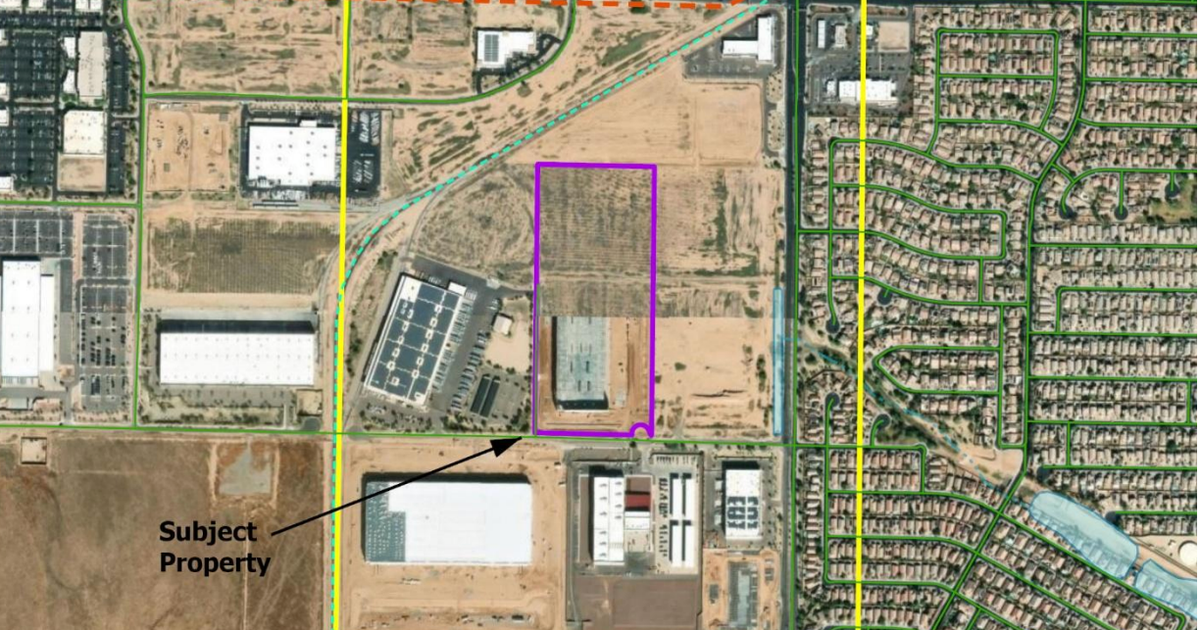
Arizona has taken the bold step of suing the federal government to halt the construction of a massive Immigration and Customs Enforcement (ICE) detention facility in the city of Surprise. The lawsuit centers on serious concerns about environmental safety, as the proposed site sits dangerously close to a warehouse containing thousands of gallons of hazardous chemicals used in semiconductor production. Arizona Attorney General Kris Mayes, who filed the lawsuit on a Friday, didn’t mince words when she stated that “The Trump administration has run roughshod over federal law in its rush to expand detention capacity across the country.” The legal challenge represents a growing pattern of state and local resistance to the federal government’s aggressive push to establish mass detention facilities for immigrants across the nation, raising fundamental questions about public safety, environmental protection, and the proper procedures for establishing such facilities.
Questions About Environmental Reviews and Legal Compliance
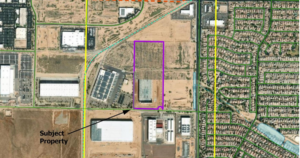
At the heart of Arizona’s lawsuit lies a fundamental claim that the Department of Homeland Security and ICE have failed to follow proper procedures before moving forward with this detention facility. According to Attorney General Mayes, the federal agencies have neither conducted nor made public the environmental reviews that federal law requires before opening such a facility. This isn’t just a bureaucratic technicality—these environmental assessments exist to protect both the people who would be detained in the facility and the surrounding community from potential hazards. The lawsuit also raises concerns under the Immigration and Nationality Act itself, which specifically requires that the federal government arrange for “appropriate” places to detain immigrants. The location choice becomes particularly questionable when you consider that the warehouse intended to house between hundreds and potentially up to 1,500 individuals sits directly across the street from a chemical storage facility. This facility reportedly contains more than 100,000 square feet of containerized hazardous materials, specifically chemicals used in semiconductor manufacturing—substances that could pose serious health risks if there were any kind of accident, leak, or emergency situation.
The Federal Government’s Response and Massive Investment
ICE has pushed back against Arizona’s concerns, with a spokesperson telling CBS News that before purchasing the site, the agency “carefully evaluated the use of existing facilities to help minimize environmental impacts, including potential impacts to protected species, sensitive natural resources, and valued cultural resources.” However, the spokesperson’s additional comment revealed the political nature of the dispute, stating that the lawsuit “wasn’t about the environment” but was rather “about trying to stop President Trump from making America safe.” This response sidesteps the specific environmental concerns raised in the lawsuit while framing opposition as political obstruction. The financial stakes are enormous: Congress appropriated $45 billion to ICE in July 2025 specifically for “single adult alien detention capacity and family residential center capacity,” funding that remains available through September 2029. The Surprise warehouse itself was purchased by the federal government for $70 million on January 23, and contracts totaling over $300 million have already been issued to retrofit the industrial space. This massive investment highlights the administration’s commitment to dramatically expanding detention capacity, but critics argue this rush to build has led to shortcuts in safety and environmental assessments. The warehouse was never designed as a residential facility—it was originally constructed as an industrial distribution center intended for up to four commercial tenants, not hundreds or thousands of human beings.
A Growing Pattern of Resistance Across Multiple States
Arizona’s legal challenge isn’t happening in isolation—it’s part of a broader pattern of state and local resistance to the federal government’s detention facility expansion plans. In Atlanta, the City Council recently approved a resolution opposing the construction or operation of large-scale immigration detention centers within city limits. This came in response to concerns about a recently purchased warehouse in Social Circle, Georgia, that could potentially hold up to 10,000 detainees. Local officials warned that such a massive facility would strain essential infrastructure including water and sewer systems, potentially affecting the broader community. Interestingly, CBS News Atlanta reported that the Department of Homeland Security has paused plans for that particular detention center, with City Manager Eric Taylor noting he learned about the pause through online sources and that all ICE detention centers were being paused for a process review. Perhaps most significantly, Maryland Attorney General Anthony Brown filed a similar lawsuit in March after the federal government purchased a warehouse near Williamsport for conversion into a detention facility. In that case, a Maryland judge granted a preliminary injunction on April 15, effectively stopping construction while the lawsuit proceeds through the courts. These multiple legal challenges suggest that courts may be receptive to arguments that the federal government is moving too quickly without proper environmental and safety reviews.
The Hazardous Materials Controversy and Unanswered Questions
The specific environmental concerns in the Arizona case are particularly troubling. The proposed detention facility would house vulnerable populations—people who by definition have limited ability to evacuate quickly or advocate for their own safety—in a location directly across from a major chemical storage facility. The chemicals in question are used in semiconductor production, an industry that relies on numerous toxic and hazardous substances including acids, solvents, and other dangerous materials. In the event of a fire, leak, chemical spill, or other emergency at the storage facility, the detained immigrants would face immediate danger with limited means of escape. CBS News specifically reached out to the Department of Homeland Security for comment regarding Arizona’s claims about the hazardous chemicals stored across the street from the proposed detention site, but received no response before publication. This silence is notable, as it represents a missed opportunity for DHS to address what should be straightforward factual questions about chemical storage and safety measures. The federal government’s response in the Maryland case offers some insight into their general defense strategy—they argued that all necessary reviews were conducted and that the plaintiffs’ claims didn’t demonstrate that a preliminary injunction would serve the public interest. However, the Maryland judge disagreed, suggesting that at least some courts find these environmental and procedural concerns credible enough to warrant hitting pause on construction.
Balancing Immigration Enforcement With Environmental Protection and Due Process
This controversy highlights the tension between the administration’s immigration enforcement priorities and fundamental requirements for environmental protection and proper legal procedures. There’s no question that the federal government has broad authority over immigration matters, including the detention of individuals pending immigration proceedings. However, this authority doesn’t give federal agencies carte blanche to ignore environmental laws, skip required safety assessments, or place vulnerable populations in potentially dangerous locations. The speed with which these facilities are being purchased and converted—with hundreds of millions of dollars in contracts issued within weeks of property acquisition—suggests a rush that may be bypassing essential safeguards. The original purpose of environmental review requirements was precisely to prevent this kind of hurried decision-making that might create public health and safety risks. As these lawsuits proceed through the courts, they’ll test important questions about the limits of executive authority in immigration enforcement. Can the urgency of expanding detention capacity justify shortcuts in environmental review? Does the federal government’s immigration authority override state and local concerns about public safety? And fundamentally, what does the legal requirement for “appropriate” detention facilities really mean? As Attorney General Mayes’s lawsuit makes clear, Arizona believes a warehouse across from hazardous chemical storage, never designed for human habitation, doesn’t meet that standard—regardless of how much money the government spends trying to convert it.