


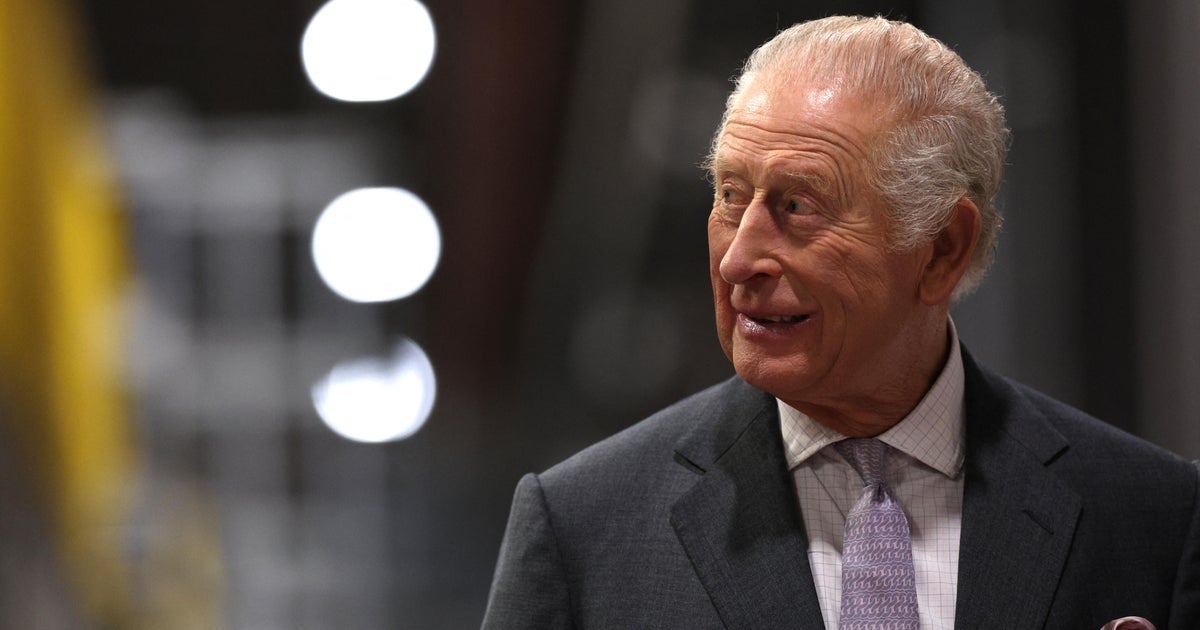

King Charles III to Address U.S. Congress During Historic State Visit
A Royal Return to Capitol Hill
In a significant moment of diplomatic pageantry, Britain’s King Charles III is preparing to stand before American lawmakers in what promises to be one of the most symbolic addresses in recent congressional history. Congressional leaders announced this week that the British monarch will speak at a joint meeting of Congress during his upcoming state visit to Washington later this month. This rare honor hasn’t been extended to a British royal since Charles’ late mother, Queen Elizabeth II, addressed Congress more than three decades ago in 1991. The invitation came in the form of a formal letter signed by the four most powerful figures in Congress: House Speaker Mike Johnson, Senate Majority Leader John Thune, Senate Minority Leader Chuck Schumer, and House Minority Leader Hakeem Jeffries. Their unified invitation reflects the bipartisan recognition of the enduring importance of the relationship between the United States and the United Kingdom, often described as the “special relationship” that has shaped global affairs for generations.
Celebrating Shared Heritage at a Pivotal Moment
The timing of King Charles’ address carries particular resonance, as it coincides with Washington’s commemoration of the 250th anniversary of American independence—a milestone that invites reflection on both the revolutionary break from British rule and the extraordinary partnership that has since developed between these two nations. In their invitation, congressional leaders struck a tone of appreciation for the historical journey that transformed former adversaries into closest allies. “As we celebrate this historic milestone and recommit ourselves to the principles upon which our nation was founded, we also recognize that the American experiment endures in no small part because of the British tradition from which it sprang,” they wrote. This acknowledgment speaks to the complex legacy of American-British relations—a story that began with rebellion and taxation disputes but evolved into one of the most consequential alliances in modern history. The leaders expressed their belief that Charles’ address will provide “a unique opportunity to share your vision for the future of our special relationship and reaffirm our alliance at this pivotal time in history,” suggesting that beyond ceremonial pleasantries, substantive discussions about the future direction of transatlantic cooperation are expected during this visit.
Following in His Mother’s Footsteps
When Queen Elizabeth II addressed a joint meeting of Congress in May 1991, the world was a dramatically different place. The Cold War was ending, the Soviet Union was collapsing, and the global order was being reshaped before everyone’s eyes. In that historic address, the Queen spoke of the shared democratic values that bound America and Britain together, even as both nations faced an uncertain future. Now, more than three decades later, her son returns to the same chamber to address many of the same themes in an equally uncertain world. Congressional leaders explicitly referenced Elizabeth’s 1991 speech in their invitation to Charles, noting that the relationship between the two countries has grown into “one of the most consequential partnerships in modern history,” rooted not only in shared strategic interests but in what the late Queen described as a shared “spirit of democracy.” This continuity across generations of leadership—both royal and elected—underscores the institutional depth of the U.S.-UK relationship. For King Charles, following in his mother’s footsteps by addressing Congress represents both a personal milestone and an opportunity to demonstrate continuity in British commitment to the transatlantic alliance during his relatively new reign.
The Broader Context of the State Visit
The congressional address will serve as the centerpiece of a broader state visit to the United States scheduled to take place from April 27-30. This marks King Charles III’s first state visit to America in his capacity as monarch, a significant diplomatic event that has been carefully planned to showcase the strength of Anglo-American ties. State visits represent the highest level of diplomatic engagement, characterized by elaborate ceremonies, formal dinners, and substantive policy discussions between leaders. These visits are distinct from working visits or official visits in their scale, symbolism, and the level of protocol involved. For Charles, this visit represents an important early chapter in defining his reign’s approach to international relations and Britain’s place in the world. The announcement also noted that President Trump had previously made a state visit to the United Kingdom in September, highlighting the reciprocal nature of these diplomatic exchanges. Such visits serve multiple purposes: they strengthen bilateral relationships, provide opportunities for leaders to discuss pressing global issues away from the constraints of international summits, and offer moments of public diplomacy that can shape how citizens of both countries view each other.
The Significance of Congressional Addresses by Foreign Leaders
Addresses to joint meetings of Congress by foreign dignitaries are relatively rare and reserved for leaders and figures of exceptional importance to American interests and values. These speeches take place in the House chamber, with members of both the Senate and House of Representatives in attendance, along with members of the Cabinet, the Supreme Court, and other distinguished guests. The setting itself—the very room where American laws are debated and passed—lends tremendous symbolic weight to whatever message is delivered. For a British monarch to speak in this space carries particular irony and poignancy, given that the American Revolution was fundamentally a rejection of royal authority. Yet this historical tension makes the moment even more powerful, demonstrating how former colonies and colonizer have transcended their contentious origins to become the closest of partners. King Charles will join a select group of world leaders who have been granted this platform, and his words will be scrutinized not just in Washington and London, but around the world, as allies and adversaries alike assess the state of the Western alliance and the commitment of its leading members to shared principles and mutual defense.
Looking Forward: What the Visit Means for U.S.-UK Relations
As King Charles prepares for his address to Congress and his broader visit to the United States, the stakes extend well beyond ceremony and symbolism. The world faces numerous pressing challenges—from geopolitical competition with China and Russia to climate change, technological disruption, and economic uncertainty—all of which require coordinated responses from like-minded democracies. The “special relationship” between America and Britain, forged through two world wars and sustained through the Cold War and beyond, remains a cornerstone of the Western alliance and the broader international order. Congressional leaders clearly view this visit as an opportunity to reaffirm and reinvigorate that partnership for a new era. Their letter’s reference to “this pivotal time in history” suggests an awareness that the liberal democratic order both countries have championed faces real challenges and requires renewed commitment. For King Charles, whose reign began in 2022 following the death of his mother after her historic 70-year tenure, this visit offers a chance to establish his own legacy as a bridge between nations and a voice for the values that have long united the English-speaking democracies. His address to Congress will likely touch on themes of democracy, alliance, shared sacrifice, and common purpose—enduring themes that resonate across the 250 years since America declared its independence from British rule, and which remain as relevant today as ever in a world where freedom and democracy cannot be taken for granted.