



Tennessee Librarian Fired for Refusing to Relocate LGBTQ Books: A Stand for Freedom or Government Overreach?
The Conflict That Led to Termination
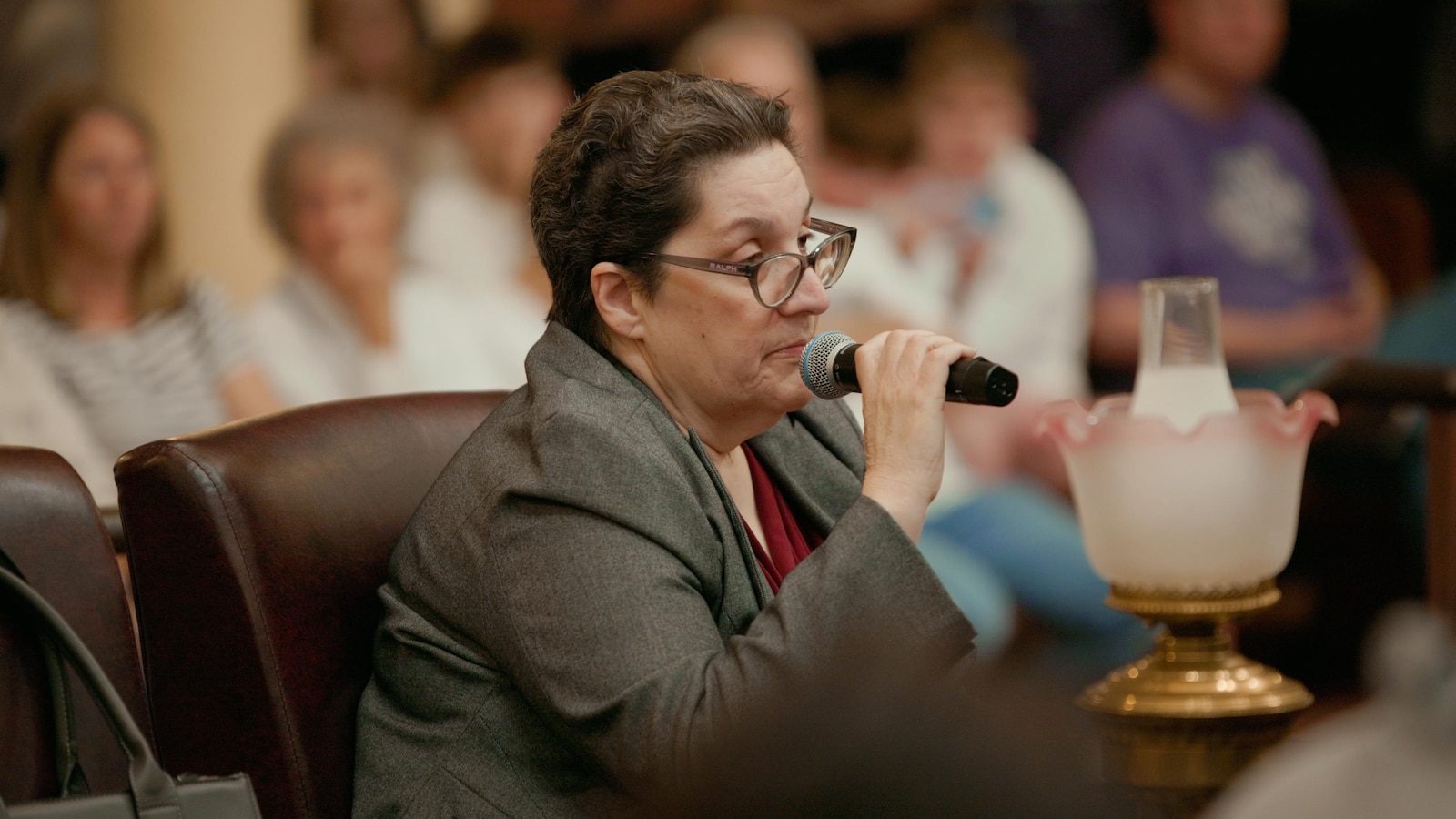
In a decision that has sent shockwaves through library communities across America, the Rutherford County Library Board in Tennessee voted to terminate their library system director, Luanne James, after she refused to comply with an order to relocate over 100 LGBTQ-themed books from the children’s section to the adult section. The 8-3 vote on Monday evening marked the culmination of a battle that began weeks earlier when the board initially voted to move the books, citing concerns that they promote what they called “gender confusion” among young readers. James, a veteran librarian with more than 25 years of experience in public library leadership roles across Texas, South Carolina, and most recently Tennessee, made her position clear from the start. She argued that relocating these books would violate both her own First Amendment rights and those of county residents, while also compromising her professional ethics by engaging in what she viewed as government-mandated viewpoint discrimination. When given the opportunity to speak at Monday’s contentious meeting, which was punctuated by cheers and boos from passionate audience members on both sides, James remained steadfast: “I stand by my decision and I will not change my mind.”
A National Battleground Over Library Content
The situation in Rutherford County, located southeast of Nashville, represents just one front in a much larger national battle over library content that has been intensifying for several years. Libraries across the United States have become unexpected battlegrounds in culture wars, with books featuring racial themes and LGBTQ content frequently finding themselves at the center of heated debates about what material is appropriate for young readers. Kasey Meehan, who directs the Freedom to Read program for PEN America—an organization dedicated to protecting freedom of expression for writers—recognized the broader significance of James’ stand. “Her story will echo from the Courthouse in Murfreesboro, TN, across the county, as emblematic of the fight against censorship and suppression,” Meehan stated, acknowledging that this case would likely resonate far beyond Tennessee’s borders. The controversy isn’t isolated to this one Tennessee county; similar conflicts have erupted in communities nationwide, forcing librarians, board members, parents, and citizens to grapple with difficult questions about access to information, parental rights, professional library standards, and the role of government in determining what reading material should be available to the public.
Precedents and Legal Implications
James’ termination follows a pattern of library directors facing professional consequences for their positions on book access and censorship issues, though the legal and financial outcomes have varied significantly. Last fall, a former Wyoming library director named Terri Lesley reached a $700,000 settlement after her firing from Campbell County. Lesley’s removal came during a period of public uproar over books with sexual content and LGBTQ themes, with some community members demanding their removal from shelves accessible to youth. County officials in Wyoming maintained that Lesley’s termination was solely based on performance issues, not the book controversy, but the substantial settlement suggested the situation was more complex than that official explanation. Meanwhile, in December, the U.S. Supreme Court declined to hear an appeal in a Texas free speech case, effectively allowing a lower court decision to stand that gave local officials the authority to remove books they deemed objectionable from public libraries. This decision created a legal landscape where the balance between community standards, professional library practices, and First Amendment protections remains unclear and contested. Through her attorney, James indicated she believes her firing constitutes “an unlawful act of viewpoint discrimination,” signaling that legal action may follow. Her statement emphasized a principle she felt was worth defending regardless of personal cost: “Librarians should not be used as a filter for political agendas. I stood up for the right to read, standing for the citizens of Rutherford County.”
The Board’s Position and Community Response
The Rutherford County Library Board’s decision to relocate the books stemmed from concerns expressed during their March 16 meeting, where board Chairman Cody York articulated the reasoning behind the move. York stated that he believed it was both dangerous and inaccurate to tell children—particularly those going through the vulnerable period of puberty—that boys can become girls and girls can become boys. From this perspective, the board saw itself as protecting children from exposure to concepts they viewed as confusing or potentially harmful to young people’s development and understanding of biological sex and gender. The board’s position found support among some community members, including Caleb Tidwell, a member of the Rutherford County school board, who spoke in favor of moving the books during Monday’s meeting. Tidwell, who began his public comments with a prayer, framed the issue in terms of legal compliance and child protection: “Follow the law. Protect the children. Hold the line.” His comments reflected a viewpoint held by many who supported the board’s decision—that they were exercising appropriate oversight on behalf of parents and children in the community. The passionate responses from the audience during the meeting, with both cheers and boos punctuating the proceedings, demonstrated how deeply divided the community had become over this issue, with strongly held convictions on both sides about what serves the best interests of children and the community as a whole.
Broader Political Context and State Involvement
The Rutherford County controversy didn’t emerge in a vacuum but rather as part of a coordinated statewide effort regarding library content. Last year, the Tennessee Secretary of State’s office took the unusual step of sending letters to library systems throughout the state requesting immediate reviews of the materials in their children’s sections. These letters specifically referenced libraries that receive federal and state funding, asserting that such institutions must comply with all applicable laws. Significantly, the communications also mentioned an executive order issued by President Trump regarding gender ideology, suggesting that compliance with this executive order might be required of publicly funded libraries. This state-level involvement added another dimension to what might otherwise have been purely local library governance issues, raising questions about the appropriate role of state government in determining library policies and the extent to which federal executive orders should influence local library operations. The Secretary of State’s intervention signaled that the issue extended beyond individual library boards and reflected broader policy priorities at the state level, potentially putting library directors across Tennessee in similar positions to the one James faced—caught between their professional standards, their understanding of constitutional protections, and directives from governing boards influenced by state-level guidance.
The Stakes for Libraries and Democracy
At its core, the conflict in Rutherford County represents a fundamental tension in democratic society between majority rule through elected or appointed boards and the protection of minority rights and professional standards. James’ refusal to comply with the board’s directive, despite knowing it would likely cost her the position she had held for less than a year, reflects her conviction that some principles transcend job security. Her assertion that relocating the books would violate First Amendment rights raises important questions about whether library patrons—including minors—have constitutional protections regarding access to information, and whether professional librarians have an obligation to resist what they view as politically motivated content restrictions. For library professionals nationwide watching this case, the outcome sends a concerning message about the risks of standing up to board directives they believe constitute censorship. The debate also reflects broader societal disagreements about parental rights, child development, the nature of gender and sexuality, and who should make decisions about what information young people can access. As communities continue to grapple with these issues, librarians find themselves on the front lines of culture wars they never anticipated fighting when they chose a profession dedicated to connecting people with information and fostering literacy. The legacy of Luanne James’ stand—whether it ultimately results in legal vindication or serves as a cautionary tale for other library directors—will likely influence how similar conflicts unfold in communities across America for years to come, making her story emblematic of much larger questions about freedom, censorship, and the role of libraries in a diverse, pluralistic society.