


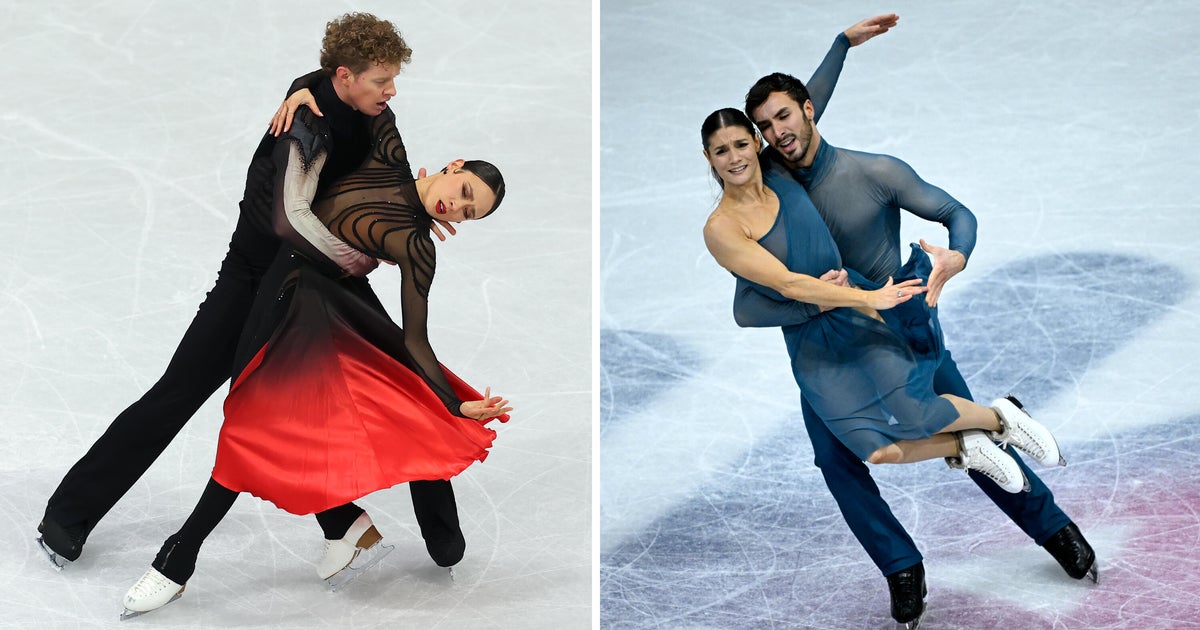

Madison Chock and Evan Bates: A Silver Medal Finish at the 2026 Winter Olympics
A Heartbreaking Yet Historic Performance
The 2026 Winter Olympics in Milan witnessed an emotionally charged ice dance competition that will be remembered for years to come. American ice dancers Madison Chock and Evan Bates delivered what many considered a breathtaking performance during Wednesday’s free dance event, ultimately securing the silver medal. Their stunning routine wasn’t quite enough to overtake the French duo of Laurence Fournier Beaudry and Guillaume Cizeron, who claimed gold by the slimmest of margins—just 1.43 points separated the two teams when all was said and done. For Chock and Bates, this silver medal represents their first individual Olympic medal in ice dance, marking a significant milestone in their lengthy partnership despite falling just short of the ultimate prize they had worked so hard to achieve.
The Battle on Ice: A Tale of Two Performances
The competition unfolded over two distinct programs, beginning with Monday’s rhythm dance where Chock and Bates found themselves trailing the French team by a mere 0.46 points. This razor-thin deficit set the stage for an incredibly tense free dance showdown on Wednesday. The American pair took to the ice with everything to prove, performing an electrifying routine set to Ramin Djawadi’s haunting rendition of “Paint It Black.” Their performance was nothing short of spectacular, earning them a score of 134.67 from the judges. The atmosphere in the Milano Ice Skating Arena was electric as they completed their program, and then came the agonizing wait as they watched Beaudry and Cizeron take their turn on the ice. When the French duo’s scores were revealed—135.64 in the free dance—it became clear that they had edged out the married American couple by just 0.94 points in that segment alone, securing their Olympic gold medal.
Fifteen Years of Partnership vs. Less Than One
What makes this Olympic showdown particularly compelling is the stark contrast in the experience levels of these two teams. Chock and Bates have been skating together for an impressive 15 years, building their partnership from the ground up and weathering countless competitions, training sessions, and challenges together. Their chemistry on the ice is the product of over a decade of shared experiences, both triumphant and disappointing. Meanwhile, their French competitors Beaudry and Cizeron have been paired for less than a year, making their gold medal victory all the more surprising to many observers. This David versus Goliath narrative added an extra layer of intrigue to the competition, though in this case, it was the newcomers who emerged victorious against the seasoned veterans. The situation also sparked some controversy, with questions raised about the relatively new partnership defeating such an established and accomplished team.
Team Event Dominance and Olympic Legacy
While the individual ice dance silver medal was new territory for Chock and Bates, the duo is far from unfamiliar with Olympic success. In the team event at these same Milan Olympics, they played a crucial role in helping Team USA secure its second consecutive gold medal in that competition. Their performances in both the rhythm dance and free dance portions of the team event were described as dominant, showcasing the skill and artistry that has made them one of the world’s premier ice dance teams. The 2026 Winter Olympics marked their fourth consecutive Winter Olympic Games competing together, a testament to their longevity, consistency, and excellence in the sport. With two gold medals in the team event—one from these Games and one from the previous Olympics—Chock and Bates have already cemented their legacy as Olympic champions, even if the individual ice dance gold medal has remained tantalizingly out of reach.
The Emotional Weight of Silver
For athletes who have dedicated their entire adult lives to a sport, the difference between gold and silver can feel monumental, even when the actual point differential is minuscule. Chock and Bates poured their hearts into their “Paint It Black” routine, delivering what they undoubtedly hoped would be the performance of their careers at exactly the right moment. The routine was technically brilliant and emotionally resonant, yet the judges’ scores revealed it was just slightly short of perfection. Being so close to gold—within less than one and a half points overall—adds a bittersweet quality to their silver medal. On one hand, they achieved their first individual Olympic medal in ice dance, fulfilling a dream they’d chased for 15 years together. On the other hand, they came heartbreakingly close to the gold they’d worked so hard to attain. This kind of narrow defeat can be the most difficult to process, as athletes inevitably analyze every tiny detail of their performance, wondering if one more flawless transition or one more emotionally charged moment might have made the difference.
Looking Forward: A Legacy Secured
Despite falling short of gold in the individual ice dance event, Madison Chock and Evan Bates have nothing to be ashamed of and everything to be proud of. Their silver medal at the 2026 Winter Olympics adds to an already impressive collection of accolades, and their contribution to Team USA’s gold medal in the team event demonstrates their ability to perform under the highest pressure. Over their 15 years together, they’ve become one of the most recognizable and respected ice dance teams in the world, known not just for their technical prowess but for their artistic expression and the genuine connection they share on the ice. As a married couple, their partnership extends beyond the rink, adding depth to their performances that audiences can feel. While the controversial victory by Beaudry and Cizeron may have denied them the individual gold they sought, Chock and Bates have already secured their place in Olympic history. Their four consecutive Olympic appearances together, their two team gold medals, and now their individual silver medal represent a body of work that few ice dancers ever achieve. As they move forward from Milan, they do so as Olympic medalists who gave everything they had and came remarkably close to the ultimate prize, their legacy as champions of their sport firmly established.