



Hawaii Doctor’s Murder Trial: A Birthday Hike That Turned Into a Nightmare
The Shocking Allegations Against Dr. Gerhardt Konig
In a case that has captivated Hawaii and shocked the medical community, Dr. Gerhardt Konig, a respected Maui anesthesiologist, stands accused of attempting to murder his wife during what should have been a celebratory birthday hike. The incident, which occurred on March 24, 2025, in Honolulu, has led to second-degree attempted murder charges against the physician. According to prosecutors, Dr. Konig allegedly tried to push his wife, Arielle Konig, off a cliff during their hike before repeatedly striking her with a rock. The case has drawn significant attention not only because of the brutal nature of the alleged attack but also because it involves a medical professional with an impressive career background, including work at the University of Pittsburgh Medical Center where he served as both an anesthesiologist and assistant professor of anesthesiology and bioengineering. The contrast between his professional life as a healer and the violent accusations he now faces has made this case particularly disturbing to observers.
A Self-Defense Claim That Raises Questions
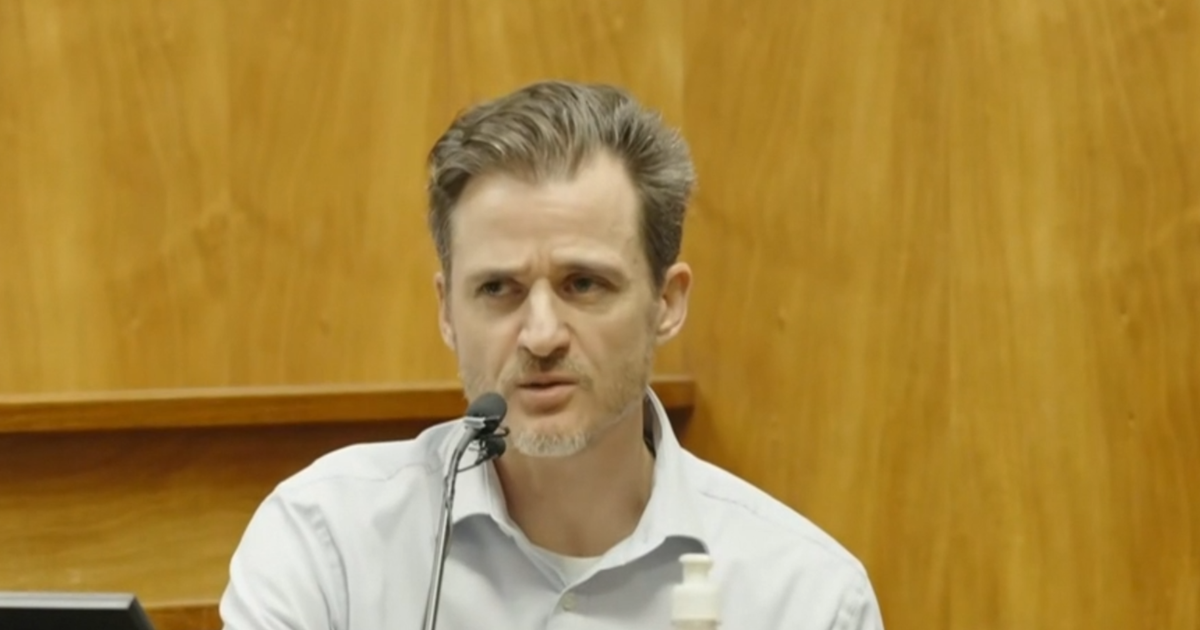
Taking the stand in his own defense on Thursday, Dr. Konig presented a version of events that starkly contradicts the prosecution’s narrative. He claims that his wife was the aggressor and that he acted in self-defense during a heated moment. According to his testimony, Arielle grabbed his wrists, threw herself to the ground, and struck him with a rock on the side of his face first. When asked by his attorney if he “reacted to defend” himself “in the heat of the moment,” Dr. Konig responded affirmatively. This self-defense argument requires the jury to believe that a trained medical professional felt so threatened by his wife that he had no choice but to respond with potentially lethal force. The claim becomes even more complicated when considering the physical evidence and witness testimony that has emerged during the trial. Dr. Konig’s emotional testimony included his statement that he felt “horrible” when asked how he reacted to seeing his wife bleeding after the incident. However, prosecutors have painted a very different picture of the defendant’s motivations and state of mind that day.
The Alleged Motive: Suspicions of Infidelity
The prosecution’s theory of the case centers on jealousy and rage as the driving forces behind the alleged attack. They contend that Dr. Konig became enraged after discovering text messages on his wife’s phone that he believed indicated she was having an affair. During cross-examination, prosecutors pressed Dr. Konig on his emotional state when he confronted his wife about these messages. “You were mad, right?” the prosecutor asked directly. Dr. Konig initially responded, “I was not mad,” but when pressed further with the question, “You were not mad when you confronted your wife about these messages?” he adjusted his answer to “I was upset.” This distinction between being “mad” and “upset” may seem minor, but in a murder trial, the defendant’s state of mind is crucial. The prosecution’s argument suggests that this wasn’t a spontaneous act of self-defense but rather a premeditated or rage-fueled attempt to kill his wife after discovering what he perceived as betrayal. This alleged motive adds a layer of complexity to the case, transforming it from a simple assault into a potential crime of passion with devastating consequences.
The Victim’s Account and Witness Testimony
Arielle Konig, who survived the attack despite suffering critical injuries, has since filed for divorce and testified against her husband last week. Her account of the events is chilling and paints a picture of a woman fighting for her life on a hiking trail. She told the jury that her husband attempted to stab her with a syringe, and when that failed, he resorted to striking her with a rock. During her testimony, she described the terror she felt during those moments: “I just started screaming, because, in my mind, he’s trying to knock me unconscious, to get to be able to drag me over the edge.” Her testimony has been corroborated by multiple witnesses who were present on the trail that day. Amanda Morris, a nurse who happened to be hiking nearby, testified that she witnessed Dr. Konig hitting his wife with a rock. Sarah Buchsbaum, also a nurse, called 911 after witnessing the alleged attack and testified that Arielle’s “face was covered in blood.” These eyewitness accounts from medical professionals provide powerful evidence that contradicts Dr. Konig’s self-defense narrative and suggests that Arielle was the victim rather than the aggressor in this horrific encounter.
A Son’s Devastating Testimony
Perhaps the most emotionally charged testimony came from Dr. Konig’s own 19-year-old son, Emile Konig. In a moment that underscored the family tragedy this case represents, Emile referred to his father as “the defendant” during his testimony earlier in the week. He described receiving a FaceTime call from his father moments after the alleged attack, during which Dr. Konig made statements that the prosecution argues amount to a confession. According to Emile’s testimony, his father told him “that he would not be making it back to Maui, and to take good care of the younger kids, and that Ari, my stepmom, had been cheating on him. And that he tried to kill her.” This testimony is particularly damning because it comes from Dr. Konig’s own son and includes what prosecutors would characterize as an admission of intent to kill. The fact that a father would make such statements to his son in what he apparently believed might be his final conversation adds a tragic dimension to the case. When asked directly on the stand if he planned or wanted to hurt Arielle Konig that day, Dr. Konig responded “no,” creating a direct contradiction between his son’s testimony about what he said immediately after the incident and his current defense strategy.
The Stakes and the Search for Justice
The outcome of this trial will have profound implications for everyone involved. If convicted of second-degree attempted murder, Dr. Konig faces the possibility of spending the rest of his life in prison. Prior to his arrest, he was a practicing physician with the Anesthesia Medical Group in Hawaii, a position that required trust, precision, and above all, a commitment to preserving life rather than threatening it. The irony of a healer being accused of such a violent crime has not been lost on observers of the trial. For Arielle Konig, the trial represents an opportunity for justice and closure after surviving what prosecutors describe as a brutal attempt on her life on what should have been a joyous occasion—her birthday celebration. The jury must now weigh competing narratives: Dr. Konig’s claim that he acted in self-defense during a moment of chaos, versus the prosecution’s argument that he attempted to murder his wife in a rage after suspecting infidelity. The witness testimony, particularly from medical professionals who observed the attack, and the statement allegedly made to his son immediately afterward, will likely play crucial roles in the jury’s deliberations. As this trial continues to unfold in Hawaii, it serves as a sobering reminder that domestic violence can occur in any setting, among people of any social or professional status, and that the consequences of letting anger and suspicion override reason can be devastating for entire families.