


NHL Teams Push Toward the Playoffs in Double Header
The Race Heats Up as Teams Battle for Postseason Position
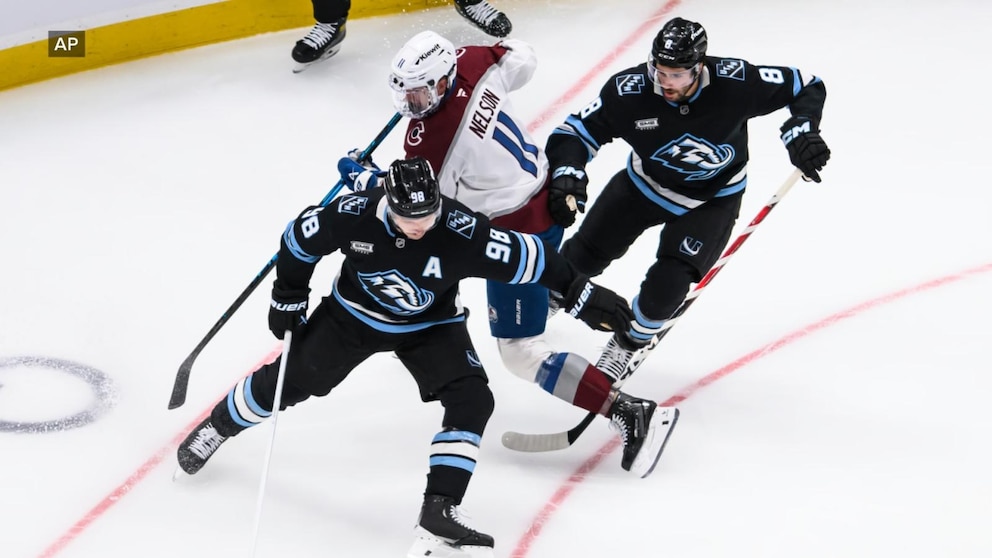
As the NHL season enters its most crucial stretch, every game takes on heightened importance, and double-header days provide fans with an extra dose of hockey excitement. These action-packed evenings showcase multiple teams simultaneously fighting for their playoff lives, creating an electric atmosphere both in arenas and among fans watching at home. The intensity of competition during these double headers cannot be overstated—teams know that every point earned or lost could be the difference between extending their season into the playoffs or heading home early for a long summer. Players push themselves to the absolute limit, coaches make critical strategic decisions, and fans are treated to the kind of heart-pounding drama that makes hockey one of the most thrilling sports in the world. When multiple games happen on the same night, it creates a unique energy throughout the hockey world, with fans constantly checking scores, highlights flowing across social media, and the playoff picture shifting with each goal scored.
Critical Match-ups That Define Playoff Destinies
Double-header nights often feature crucial match-ups between teams that are directly competing for playoff spots, making these games even more significant than typical regular-season contests. When two teams fighting for the same wild card position face off against each other, it’s essentially a four-point swing game—the winner gains two points in the standings while the loser gets nothing, creating a four-point differential between them. These head-to-head battles take on a playoff-like atmosphere, with physical play intensifying, goaltenders standing on their heads to make impossible saves, and role players stepping up to become unexpected heroes. Meanwhile, other games on the same night might feature top teams facing bottom-dwellers, where the underdogs play spoiler and the contenders must avoid trap games that could derail their postseason ambitions. The interconnected nature of these games creates a fascinating chess match across the league, where results in one city can dramatically impact the playoff hopes of teams playing hundreds of miles away. Coaches and players become scoreboard watchers, keeping one eye on their own game while tracking results elsewhere, knowing that their fate isn’t entirely in their own hands.
The Physical and Mental Toll on Players
As teams push toward the playoffs during these critical double-header nights, the physical and mental demands on players reach their peak. The NHL season is a grueling marathon of 82 games, and by the time teams reach the final stretch, bodies are battered, injuries have accumulated, and fatigue becomes a constant companion. Yet this is precisely when players must find another gear, digging deep into reserves of determination and competitive spirit that separate professionals from superstars. Veterans who have been through playoff races before understand how to manage their energy and performance, knowing when to push through pain and when a strategic rest might be necessary. Younger players experience this pressure for the first time, learning what it truly means to compete at hockey’s highest level when everything is on the line. The mental game becomes just as important as physical skills—maintaining focus through adversity, staying confident after mistakes, and keeping composure when games hang in the balance. Training staffs work overtime to keep players healthy and ready, utilizing every recovery technique available from cryotherapy to massage to specialized nutrition plans that help bodies recover quickly between games.
Coaching Strategies and Line Juggling in Crunch Time
Behind the bench, coaches face their own unique challenges during this playoff push, particularly on double-header nights when their decisions can make or break a season. Line combinations that worked earlier in the year might need adjustment as matchups become more critical and defensive responsibilities increase. Power play units face added scrutiny because special teams often determine close games, and penalty killing becomes even more vital when a single goal against could end playoff dreams. Coaches must balance ice time carefully, knowing they need their stars to play big minutes while also keeping them fresh enough to perform at their best in the crucial final moments. The decision to pull a goaltender for an extra attacker in the dying minutes of a must-win game carries enormous weight—too early and you risk giving up an easy empty-net goal that demoralizes the team, too late and you miss precious seconds that could have produced the tying goal. Timeout management becomes an art form, as coaches must decide the perfect moment to rest their players, draw up a crucial play, or simply give their team a moment to regroup mentally. During double headers, coaches also become tacticians watching other games, adjusting their own strategies based on results elsewhere and preparing their teams for various scenarios that might unfold.
The Fan Experience and Emotional Investment
For hockey fans, double-header nights during the playoff push represent some of the most emotionally intense and rewarding experiences the sport offers. Die-hard supporters fill arenas wearing team colors, waving towels, and creating deafening noise that provides a genuine home-ice advantage. The atmosphere in buildings where playoff hopes hang in the balance becomes almost tangible—you can feel the tension, the hope, and the desperation from both the players on the ice and the fans in the stands. Many fans engage in superstitious rituals they believe help their team, from wearing lucky jerseys to eating the same meal before each game to sitting in the exact same spot. Social media explodes with reactions to every goal, save, and controversial call, creating a global conversation among fans who share the emotional roller coaster together. For fans whose teams aren’t playing on a particular double-header night, these evenings become a chance to play fantasy general manager, cheering for specific outcomes that would benefit their favorite team’s playoff positioning. The scoreboard watching becomes obsessive—constantly refreshing apps, flipping between games on television, and calculating potential point totals and tiebreaker scenarios. This emotional investment is what makes hockey special; these aren’t just games, they’re events that create lasting memories and stories that fans will tell for years to come.
The Final Push and What It All Means
As the regular season winds down and double headers become more frequent, the playoff picture gradually comes into focus, though uncertainty often remains until the very last games. Teams that were once considered locks for the postseason find themselves fighting to maintain their position, while underdogs who weren’t expected to contend find themselves on the verge of surprising everyone. These final weeks reveal character—which teams have the mental toughness to handle pressure, which players elevate their game when it matters most, and which organizations have built the depth necessary to survive the injury-plagued stretch run. The playoff push also serves as a preview of postseason intensity, separating pretenders from contenders and giving teams a chance to build momentum heading into the playoffs. For franchises that ultimately fall short, these games provide valuable experience for young players and lessons about what needs to improve for next season. For those who succeed in clinching a playoff spot, the celebration is sweet but brief, as attention immediately turns to the even greater challenge ahead. The Stanley Cup playoffs represent hockey’s ultimate test, and the teams that navigate the pressure of the regular season’s final double headers successfully position themselves as dangerous postseason opponents. In the end, these double-header nights encapsulate everything that makes hockey great—skill, speed, physicality, strategy, drama, and the pure joy of competition at its highest level.