
Aly Raisman Talks NCAA Gymnastics Championship: A Champion’s Perspective on Collegiate Competition
The Voice of Experience in Collegiate Gymnastics
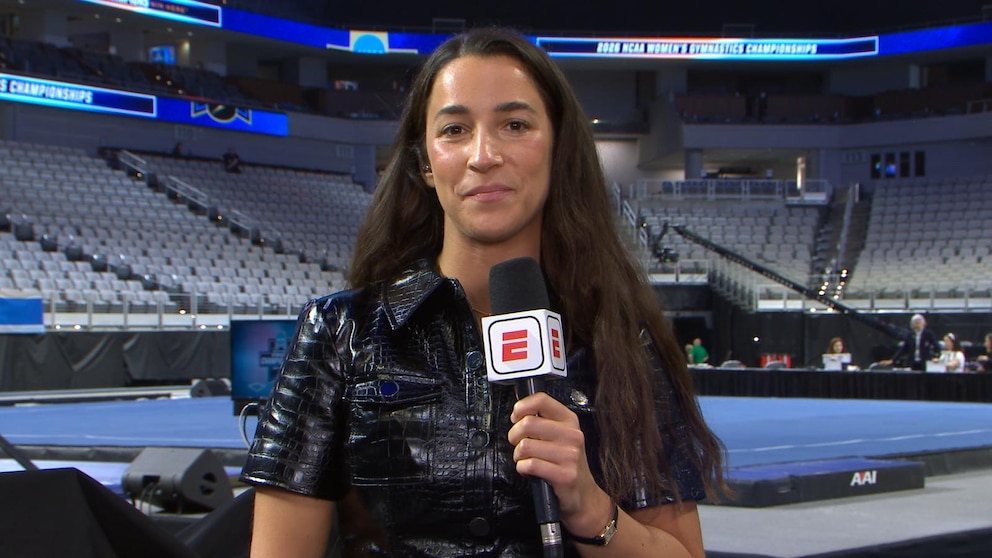
Olympic gold medalist Aly Raisman has become one of the most respected voices in gymnastics, and her insights into the NCAA Gymnastics Championship carry significant weight in the sport. The six-time Olympic medalist, who captained both the 2012 “Fierce Five” and 2016 “Final Five” U.S. Olympic gymnastics teams, brings a unique perspective to collegiate gymnastics that bridges the gap between elite international competition and the increasingly popular college gymnastics scene. When Raisman speaks about NCAA gymnastics, fans and athletes alike pay attention, as she understands both the technical demands of the sport and the emotional journey that young gymnasts experience as they navigate one of the most challenging athletic environments in collegiate sports. Her commentary on the NCAA Gymnastics Championship reflects not just her expertise in gymnastics execution and scoring, but also her deep appreciation for the growth of women’s gymnastics at the collegiate level and the opportunities it provides for athletes to continue their careers in a supportive, team-oriented environment that differs significantly from the individual focus of elite training.
The Growing Popularity and Significance of NCAA Gymnastics
Raisman has been vocal about celebrating the tremendous growth in popularity that NCAA gymnastics has experienced in recent years, particularly as social media has allowed college gymnasts to showcase their personalities, team spirit, and incredible athletic abilities to broader audiences. The NCAA Gymnastics Championship has evolved from a niche sporting event to a must-watch competition that draws impressive television ratings and sells out large arenas, with programs like Oklahoma, Florida, LSU, Utah, and UCLA commanding devoted fan bases that rival those of major football and basketball programs. According to Raisman, this growth represents something incredibly positive for the sport, as it provides young gymnasts with a goal beyond Olympic competition and creates a pathway for athletes to continue gymnastics in their late teens and early twenties while earning an education. She has expressed admiration for how NCAA gymnastics has managed to maintain the technical difficulty and artistic beauty of the sport while creating an atmosphere that emphasizes team accomplishment, school pride, and pure enjoyment of competition. The championship meet itself has become a spectacle that showcases not just individual talent but the collective energy and support that defines collegiate athletics, with teams bringing their unique cultures, traditions, and styles to the national stage in a way that makes the sport accessible and exciting for audiences who might not traditionally follow gymnastics.
The Unique Pressures and Joys of Competing at the Collegiate Level
When discussing the NCAA Championship, Raisman often highlights the distinctive pressures that collegiate gymnasts face compared to elite or Olympic competitors. While Olympic gymnasts typically compete as individuals or in small national teams with the weight of their country’s expectations on their shoulders, NCAA gymnasts compete for their schools, their teammates, and their coaches in an environment where individual scores contribute to team success. Raisman has noted that this team-focused approach can be both liberating and intensely pressure-filled, as gymnasts must balance their personal desire to perform well with their responsibility to their teammates who are counting on them. The format of NCAA competition, where gymnasts often know exactly what score they need to achieve for their team to win or advance, creates dramatic moments that are somewhat unique to collegiate gymnastics. At the same time, Raisman recognizes that NCAA gymnasts experience joys that elite gymnasts sometimes miss—the camaraderie of being part of a tight-knit team, the support of thousands of fans cheering specifically for their school, and the ability to balance their athletic identity with their identity as college students. She has spoken about how the NCAA environment allows gymnasts to develop as complete individuals rather than focusing solely on their sport, and how the championship represents not just athletic achievement but the culmination of years of balancing academics, social life, and elite-level training.
Technical Excellence and Scoring in the NCAA System
As someone intimately familiar with the international judging system used in Olympic competition, Raisman brings valuable insight when discussing the technical aspects of NCAA gymnastics scoring and how it differs from what spectators might see at World Championships or Olympic Games. The NCAA uses a modified version of gymnastics scoring that is designed to encourage both difficulty and execution while maintaining competitive balance among programs. Raisman has noted that NCAA gymnastics often features what she calls “hit routines”—performances that are executed with exceptional precision and confidence, even if they might not include the absolute highest difficulty elements seen in international elite competition. The championship atmosphere particularly rewards gymnasts who can deliver consistency under pressure, as a single fall or major break can devastate a team’s chances of winning. Raisman appreciates how the NCAA system values performance quality and has discussed how collegiate gymnasts often display exceptional artistry, showmanship, and connection with the audience that sometimes gets lost in the pressure-cooker environment of international elite competition. She has also highlighted how the scoring system creates incredibly tight competitions where tenths of points matter enormously, making the championship meets genuinely unpredictable and exciting. The technical standards remain exceptionally high, with collegiate gymnasts performing skills that would have been considered cutting-edge just a generation ago, demonstrating how the sport continues to evolve and push boundaries even within the collegiate system.
The Championship as a Platform for Athletes’ Voices and Growth
Beyond the athletic competition itself, Raisman has emphasized how the NCAA Gymnastics Championship has become an important platform for athletes to develop their voices, leadership skills, and personal brands in ways that benefit them long after their competitive careers end. As someone who has used her own platform to advocate for survivor rights and athlete welfare following her courageous testimony against Larry Nassar, Raisman recognizes the importance of athletes having opportunities to grow beyond their sport. She has observed that NCAA gymnastics, particularly at championship-level programs, provides athletes with media training, public speaking opportunities, and experiences managing pressure and expectations that serve them well in future careers. The championship itself offers a national stage where collegiate gymnasts can showcase not just their athletic abilities but their personalities, leadership, and grace under pressure. Raisman has noted that many NCAA gymnasts go on to become coaches, sports administrators, broadcasters, and advocates for the sport, drawing on the experiences and skills they developed during their collegiate careers. She sees the championship as more than just a competition—it’s a developmental experience that helps young women build confidence, resilience, and a sense of identity that extends far beyond their identity as gymnasts. This holistic approach to athlete development represents what Raisman believes should be the standard throughout gymnastics, where the well-being and long-term success of athletes is valued as much as their competitive achievements.
The Future of NCAA Gymnastics and Raisman’s Continued Influence
Looking toward the future of NCAA gymnastics and its championship events, Raisman remains optimistic about the continued growth and evolution of collegiate competition while advocating for continued improvements in athlete safety, mental health support, and fair treatment. She has been encouraged by the increasing attention paid to NCAA gymnastics by major media outlets, corporate sponsors, and casual sports fans who might not traditionally follow gymnastics outside of Olympic years. The success of social media platforms in showcasing team cultures, individual gymnast personalities, and behind-the-scenes content has created year-round interest in collegiate programs rather than attention focused solely on the championship meet. Raisman has suggested that this sustained engagement benefits the entire sport by creating role models, increasing participation at youth levels, and demonstrating that gymnastics careers can extend beyond the teenage years that define elite international competition. She continues to use her platform to advocate for the athletes competing at the NCAA level, emphasizing the importance of protecting their physical and mental health, ensuring they have proper support systems, and creating environments where they can thrive both athletically and personally. As NCAA gymnastics continues to grow in popularity and cultural significance, Raisman’s voice remains an important one—that of a champion who understands elite competition at the highest levels but who also recognizes and celebrates the unique value of collegiate athletics in providing opportunities for young women to excel, grow, and build communities around their sport while pursuing their education and personal development.